6 Easy Dinner Ideas Loaded With Anti-Inflammatory Foods

Some nights, you want a dinner that tastes amazing without turning your kitchen into a disaster zone. These easy anti-inflammatory dinner ideas bring together colorful vegetables, beans, whole grains, fish, herbs, spices, and other nutrient-rich ingredients without demanding hours at the stove.
I especially like meals that feel comforting while still packing plenty of wholesome ingredients. Why choose between healthy and delicious when you can have both? These dinners keep things simple, flavorful, and realistic for busy weeknights.
1. Garlic Salmon With Roasted Vegetables
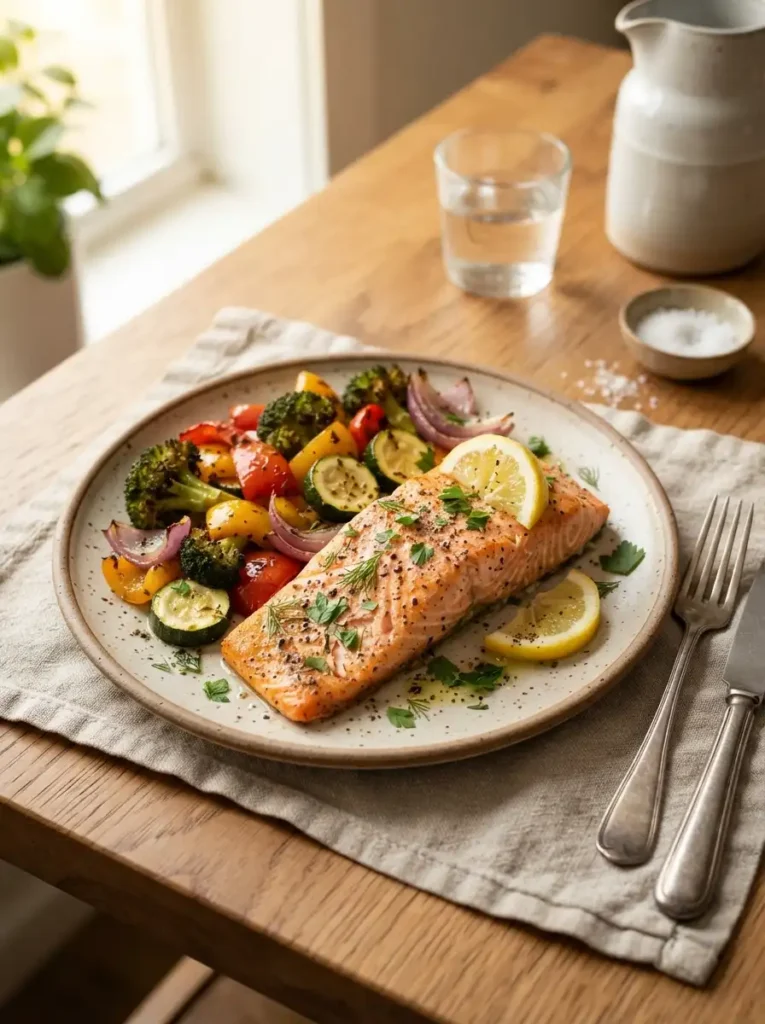
If you want a dinner that looks fancy but requires surprisingly little effort, make garlic salmon with roasted vegetables. Salmon provides omega-3 fatty acids, while colorful vegetables add fiber and a variety of plant compounds. Add garlic, olive oil, lemon, and herbs, and you have a seriously tasty meal.
I usually toss broccoli, bell peppers, zucchini, and red onion onto a sheet pan with olive oil, black pepper, and a little garlic. I place the salmon alongside the vegetables and roast everything until the salmon flakes easily. The whole meal comes together on one pan, which means fewer dishes waiting to ruin your evening.
Try adding:
- Salmon fillets
- Broccoli
- Bell peppers
- Zucchini
- Red onion
- Garlic
- Extra-virgin olive oil
- Lemon juice
- Fresh parsley or dill
The combination works because each ingredient brings something different to the plate. Salmon adds healthy fats, vegetables add fiber, and olive oil adds satisfying richness. Honestly, that sounds much better than another sad bowl of plain lettuce, right?
2. Turmeric Chicken and Sweet Potato Bowls
Chicken and sweet potatoes make one of those combinations that never gets boring. Add turmeric, ginger, garlic, leafy greens, and a creamy tahini dressing, and you get a colorful bowl packed with flavor.
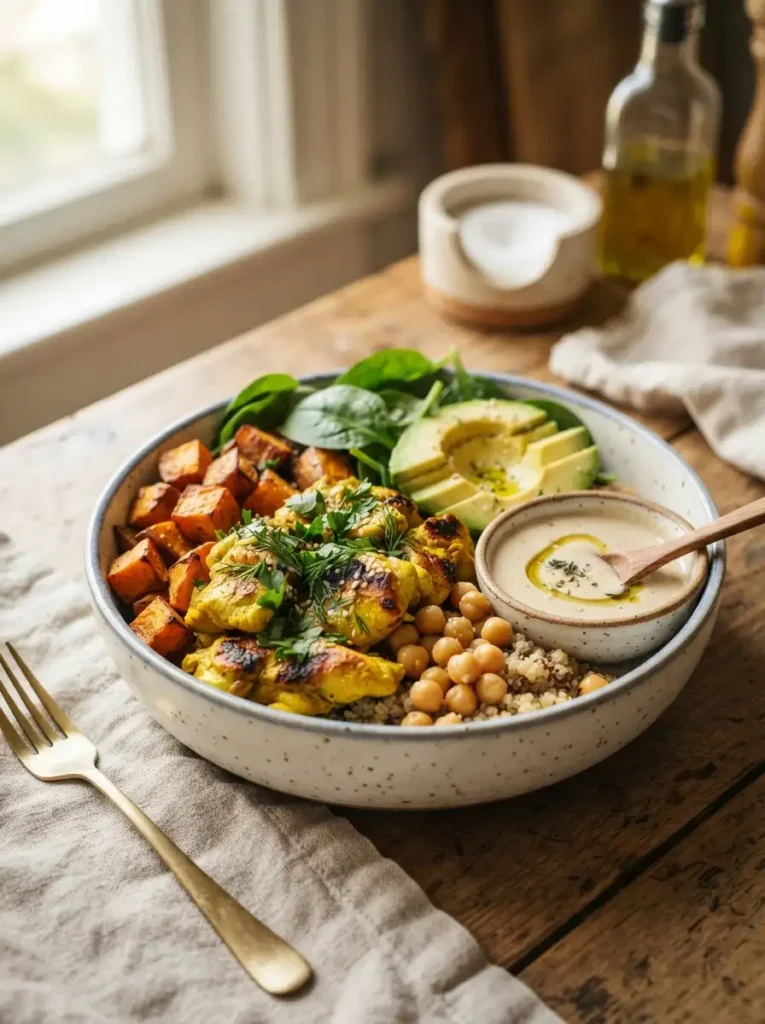
For this dinner, roast cubed sweet potatoes with olive oil, turmeric, black pepper, and garlic. While they cook, sauté bite-sized chicken pieces with ginger and a little more turmeric. Add spinach or kale at the end and let the greens soften.
Spoon everything into a bowl and finish it with a simple tahini-lemon dressing. Turmeric, ginger, leafy greens, and sweet potatoes give this meal plenty of colorful plant foods, while chicken adds filling protein.
FYI, black pepper pairs nicely with turmeric, so don’t skip that little pinch. It also adds a warm flavor that makes the dish taste much more interesting.
3. Mediterranean Chickpea and Quinoa Dinner
Need a meatless dinner that actually keeps you full? Try a Mediterranean chickpea and quinoa bowl loaded with tomatoes, cucumber, spinach, herbs, and healthy fats.
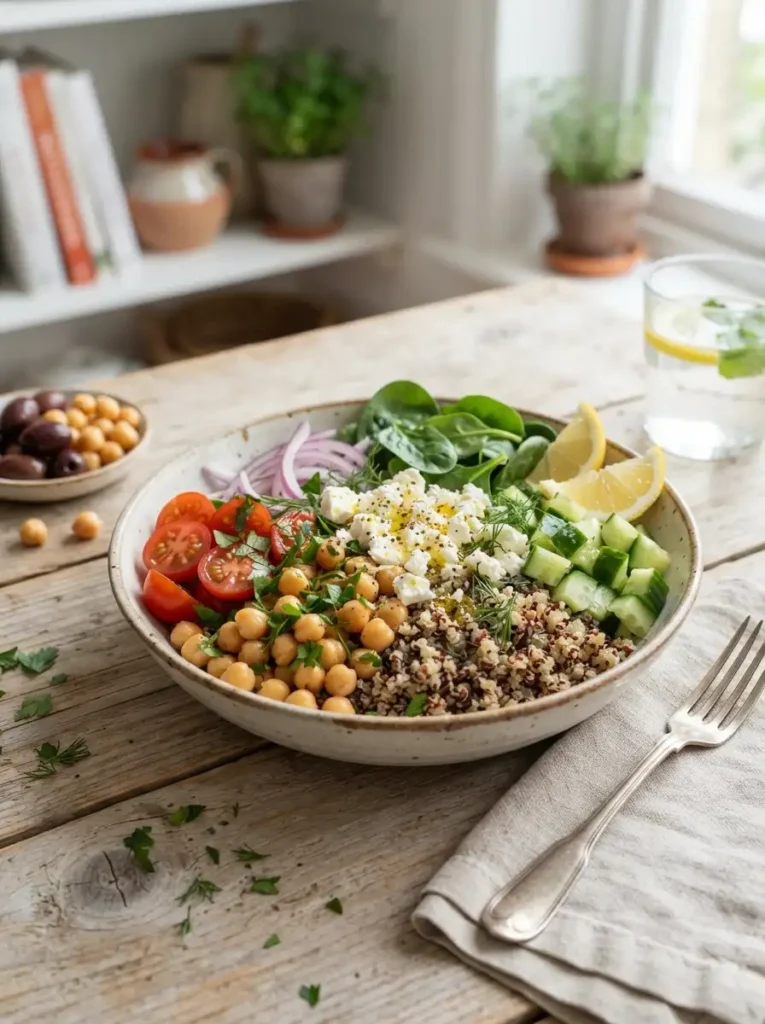
Cook quinoa according to the package directions, then toss it with rinsed chickpeas, chopped cucumber, tomatoes, spinach, parsley, and red onion. Add olive oil and fresh lemon juice for a bright dressing. Crumble a little feta over the top if you enjoy dairy.
Chickpeas provide plant-based protein and fiber, while quinoa adds another satisfying source of protein and whole-grain goodness. Tomatoes, leafy greens, herbs, and olive oil bring even more variety to the meal.
What I love most about this dinner? You can prep everything ahead of time and simply assemble your bowl when hunger strikes. That’s the kind of meal prep I can actually get behind.
4. Lentil Vegetable Soup
Sometimes you just want a giant bowl of something warm and comforting. Lentil vegetable soup delivers exactly that without requiring complicated cooking skills.
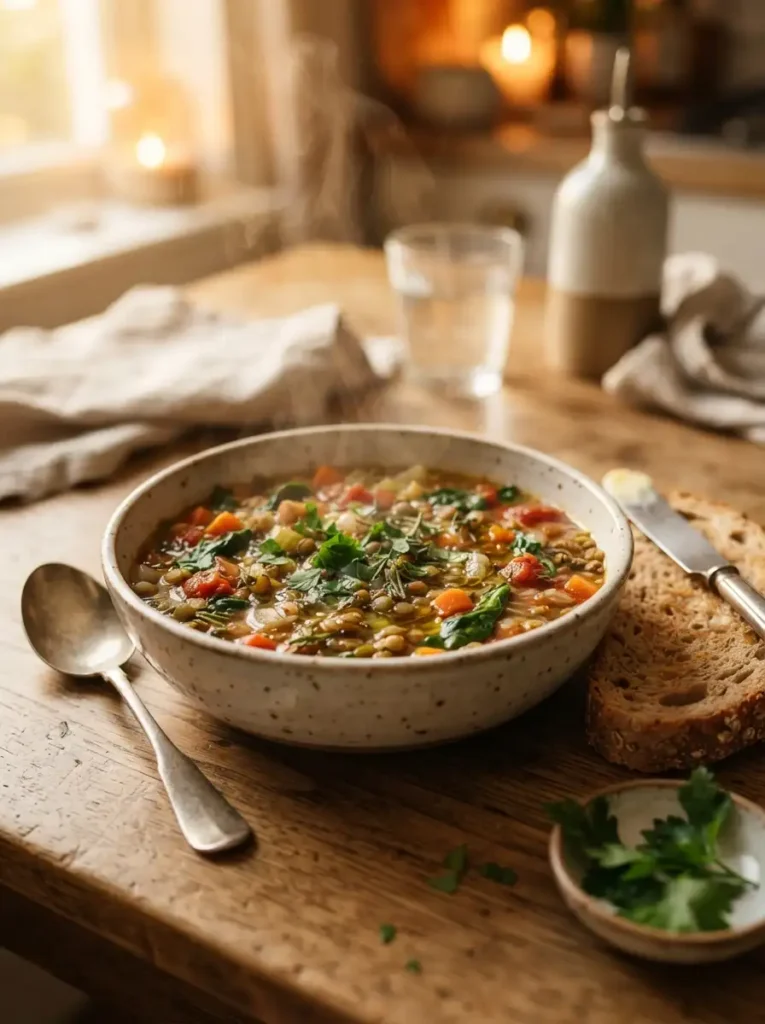
Start with onion, carrots, celery, and garlic. Add lentils, diced tomatoes, spinach, vegetable broth, turmeric, cumin, and black pepper. Let everything simmer until the lentils become tender and the vegetables develop a rich, savory flavor.
Lentils provide fiber and plant-based protein, while vegetables contribute vitamins, minerals, and a wide range of beneficial plant compounds. You can also add sweet potato, zucchini, or kale if you want to clean out the vegetable drawer.
I like making a big pot because the leftovers taste even better the next day. Plus, having dinner already waiting in the refrigerator feels like winning at adulthood.
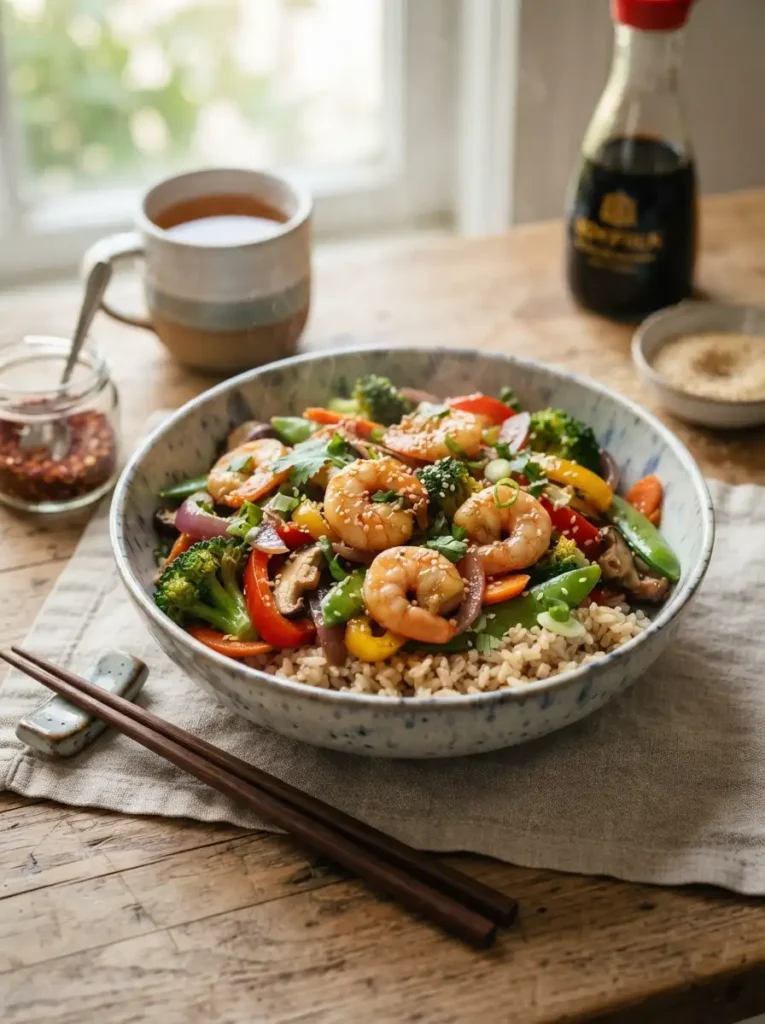
5. Ginger Shrimp and Vegetable Stir-Fry
A stir-fry can save you when you need dinner fast. You can throw together shrimp, colorful vegetables, ginger, garlic, and a simple sauce in roughly the time it takes to decide what you actually want to eat.
Heat a little olive oil in a large skillet or wok. Add shrimp and cook until they turn opaque, then move them to a plate. Stir-fry broccoli, mushrooms, bell peppers, snap peas, and carrots until they become tender-crisp.
Return the shrimp to the pan and add fresh ginger, minced garlic, low-sodium soy sauce, and a splash of lime juice. Serve everything over brown rice or quinoa for a more filling meal.
Ginger, garlic, vegetables, and whole grains make this stir-fry a flavorful way to build an anti-inflammatory-friendly dinner. You can also swap shrimp for salmon, chicken, tofu, or chickpeas depending on what you have available.
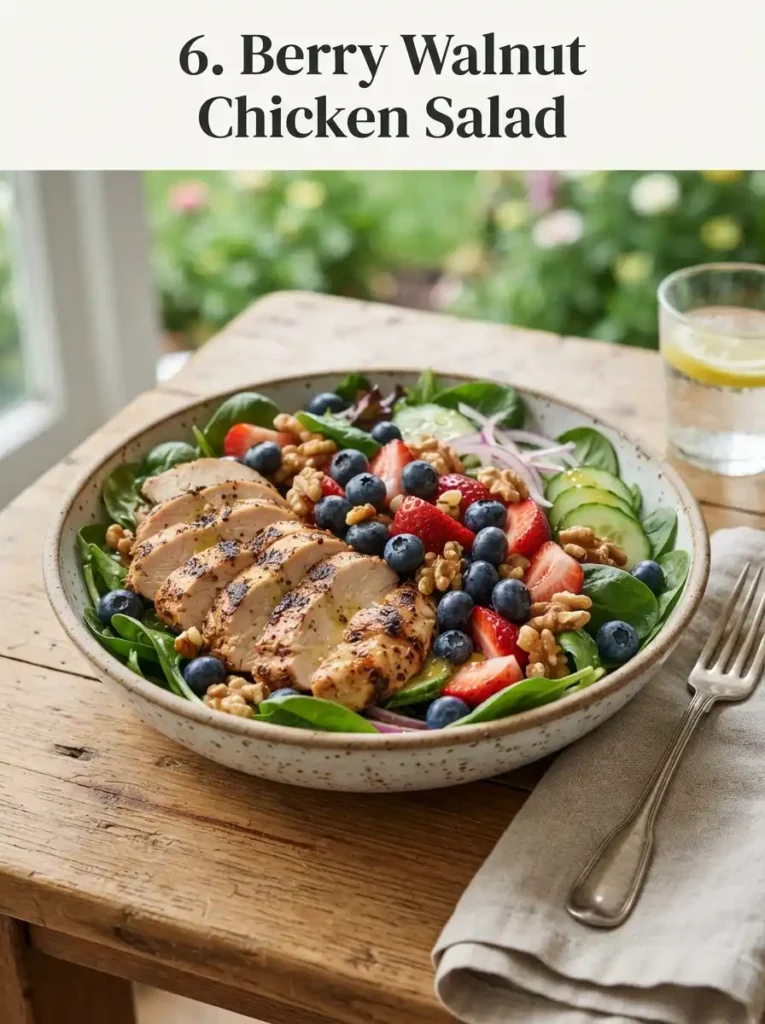
6. Berry Walnut Chicken Salad
Who says salads have to feel like punishment? This berry walnut chicken salad combines sweet berries, crunchy walnuts, leafy greens, and tender chicken for a dinner that actually feels satisfying.
Start with a large bowl of spinach or mixed greens. Add grilled or roasted chicken, blueberries or strawberries, chopped walnuts, cucumber, and a little red onion. Finish everything with a homemade dressing made from olive oil, lemon juice, Dijon mustard, and a touch of honey.
Berries provide colorful plant compounds, walnuts provide healthy fats, and leafy greens add fiber and nutrients. Chicken gives the salad enough protein to keep you satisfied instead of reaching for snacks 20 minutes later.
I love this option for warmer evenings because it requires almost no cooking. You can also prepare the chicken earlier in the week and assemble the salad whenever you need a quick meal.
Why These Anti-Inflammatory Dinners Work So Well
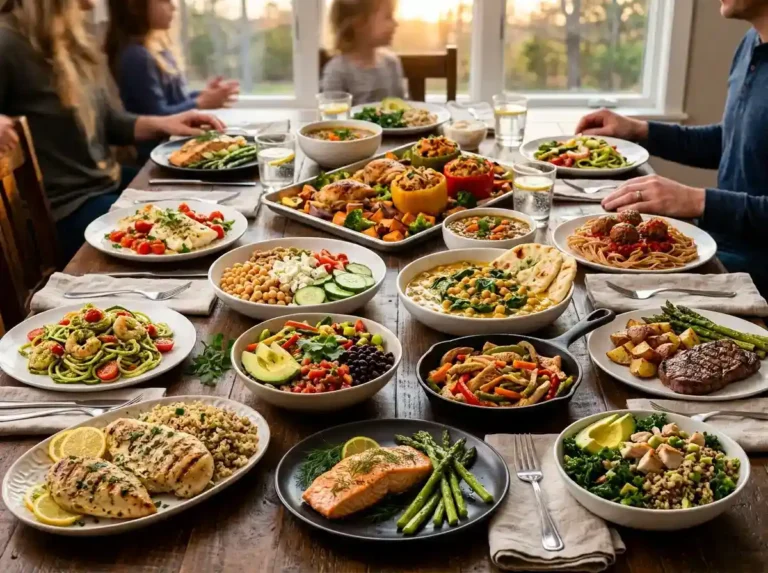
You don’t need to follow an overly complicated food plan to create balanced dinners. Instead, focus on building meals around vegetables, fruits, whole grains, beans, fish, lean proteins, nuts, seeds, and healthy fats.
Many of these ingredients commonly appear in Mediterranean-style eating patterns. They also give you plenty of opportunities to mix flavors, textures, and colors without relying heavily on ultra-processed ingredients.
A simple dinner formula can help:
- Protein: Salmon, chicken, shrimp, lentils, chickpeas, or tofu
- Vegetables: Aim for several colors when possible
- Whole grains: Brown rice, quinoa, barley, or whole-grain pasta
- Healthy fats: Olive oil, avocado, walnuts, or seeds
- Flavor boosters: Garlic, ginger, herbs, turmeric, lemon, and spices
Ever notice how much better a meal tastes when you add fresh herbs, lemon, or garlic? You don’t need a complicated sauce when a few flavorful ingredients can do the job.
Easy Ways to Make These Dinners Even Faster
Busy evenings don’t always leave you enough time to chop twelve vegetables while pretending you enjoy it. A little preparation can make these recipes much easier.
Prep a few basics once or twice a week:
- Cook a batch of quinoa or brown rice.
- Wash and chop sturdy vegetables.
- Roast a tray of sweet potatoes.
- Cook several chicken breasts at once.
- Keep canned chickpeas and lentils in the pantry.
- Store frozen berries and vegetables for quick meals.
Frozen vegetables can work perfectly well when fresh produce isn’t convenient. Canned beans can also save serious time, especially when you rinse them before using them.
I also recommend keeping a few reliable flavor boosters around. Garlic, ginger, lemon, olive oil, turmeric, cumin, and fresh herbs can turn simple ingredients into something that tastes completely different.
Simple Ingredient Swaps You Can Try
Don’t have salmon? Use trout or another fish you enjoy. No quinoa in the pantry? Brown rice, barley, or another whole grain can step in without ruining dinner.
You can also change vegetables based on the season or whatever you already have. Broccoli can make way for cauliflower, spinach can become kale, and sweet potatoes can swap with winter squash.
The goal isn’t perfection; the goal is variety and balance. If you consistently build meals around nutrient-dense foods, you don’t need to stress over making every plate perfect.
How Often Should You Eat Anti-Inflammatory Foods?
You don’t need one magical dinner to transform your diet. Instead, think about your overall eating pattern and make nutritious foods a regular part of your meals.
Try adding vegetables to lunch and dinner, eating fruit regularly, choosing whole grains more often, and including sources of healthy fats such as olive oil, nuts, seeds, and fish. You can also experiment with beans and lentils several times a week.
IMO, the easiest approach involves making small changes you can actually maintain. A complicated plan might look impressive on paper, but a simple dinner you enjoy will probably earn a permanent spot in your weekly rotation.
Final Thoughts
These 6 easy dinner ideas loaded with anti-inflammatory foods prove that healthy meals don’t need to taste boring or require an entire evening in the kitchen. From garlic salmon and turmeric chicken to lentil soup and berry walnut salad, you can build plenty of variety with simple ingredients.
Focus on colorful vegetables, beans, whole grains, fish, lean proteins, nuts, seeds, herbs, spices, and healthy fats. Then adjust each recipe around your favorite ingredients and whatever you already have at home.
So, which one should you make first? I’d start with the garlic salmon when you want something quick and impressive, or the lentil soup when you need serious comfort-food energy. Good food doesn’t need to be complicated—it just needs to make you want another bite.