7 Nutrient-Rich Anti-Inflammatory Foods to Add to Your Plate
Your body needs inflammation sometimes, but constant inflammation can become a real troublemaker. The good news? Your everyday meals can help support a healthier inflammatory balance without turning your kitchen into a science lab. Adding nutrient-rich anti-inflammatory foods to your plate gives you an easy place to start.
I like the idea of focusing on what you can add rather than obsessing over everything you should avoid. After all, nobody wants a dinner that feels like a punishment. So, if you want simple, flavorful foods that also bring plenty of nutrients to the table, these seven anti-inflammatory foods deserve a spot on your grocery list.
Why Anti-Inflammatory Foods Matter
Inflammation plays an important role in your immune system and helps your body respond to injury or infection. However, long-term inflammation can contribute to several chronic health problems. Your overall eating pattern matters more than one magical food, so think of these choices as pieces of a bigger picture.
A balanced diet built around vegetables, fruits, whole grains, legumes, nuts, seeds, and healthy fats can provide antioxidants, fiber, vitamins, minerals, and other beneficial compounds. Ever notice how the healthiest foods rarely come with a complicated ingredient list? That feels like a win already.
The goal doesn’t involve eating perfectly. Instead, try making small swaps and additions that you can actually maintain. Consistency beats perfection, especially when you want healthy eating to become part of your normal routine rather than a two-week project.
1. Fatty Fish for Omega-3 Fats
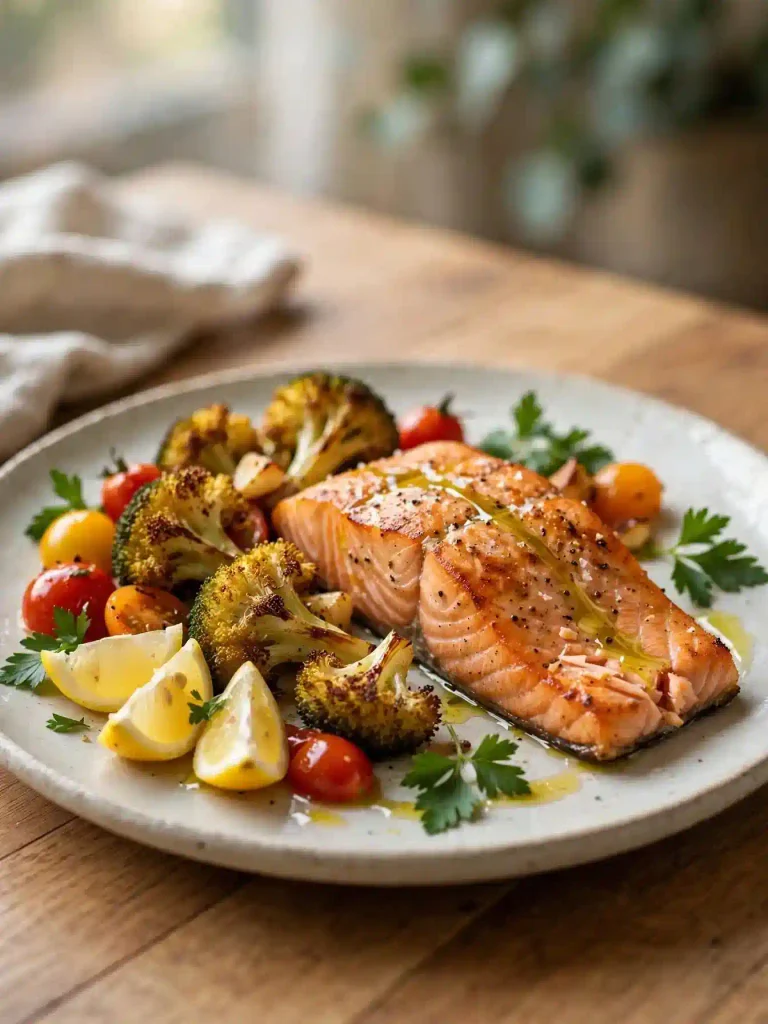
Salmon, sardines, mackerel, trout, and herring offer impressive amounts of omega-3 fatty acids, particularly EPA and DHA. These essential fats support normal heart and brain function and can influence processes involved in inflammation. Fatty fish also provides high-quality protein, vitamin D, selenium, and other nutrients.
Salmon makes an especially easy weeknight option because you can roast or pan-cook it with herbs, lemon, and vegetables. Sardines work beautifully on whole-grain toast or tossed into a simple salad. FYI, you don’t need fancy sauces when the fish already brings plenty of flavor.
Easy Ways to Eat More Fatty Fish
Try adding fatty fish to your meals two times a week if it fits your dietary preferences and health needs. You can pair grilled salmon with roasted vegetables, brown rice, or a simple leafy salad. For a faster meal, canned sardines can turn a boring lunch into something surprisingly satisfying.
I also love the convenience factor here. You get protein and healthy fats in one food, which makes meal planning much easier. If you dislike fish, start with milder options and use lemon, garlic, herbs, or spices to make the flavor more appealing.
2. Berries Packed With Antioxidants
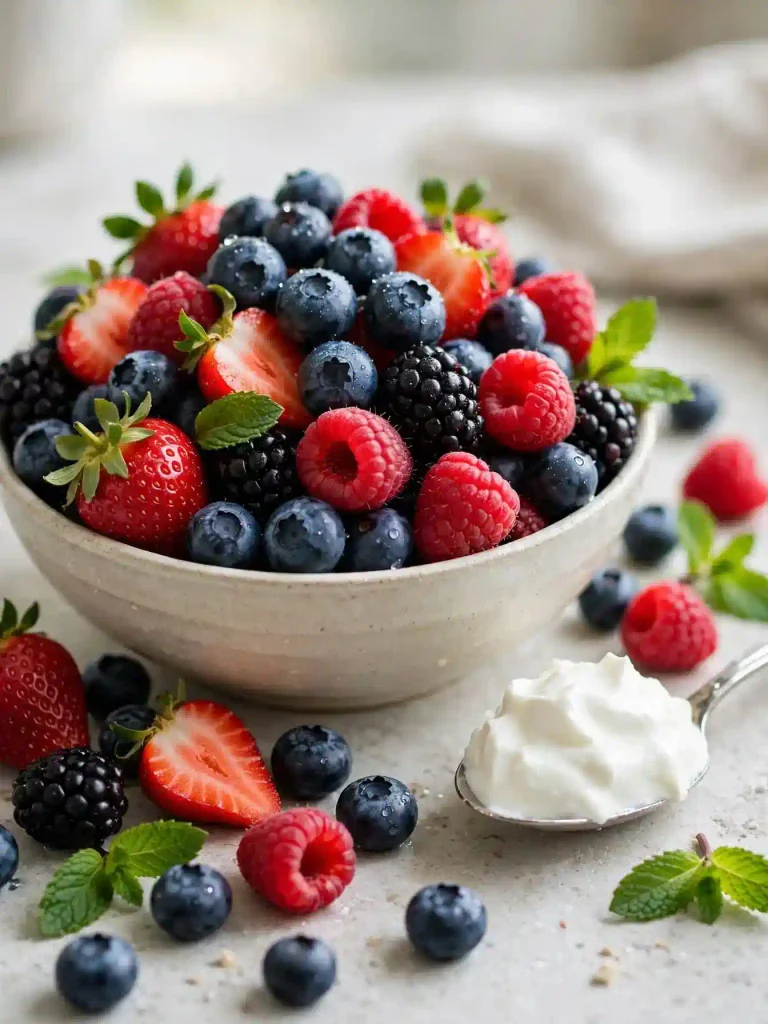
Strawberries, blueberries, raspberries, and blackberries bring serious color to your plate along with fiber, vitamins, and antioxidant compounds. Berries contain polyphenols and anthocyanins, compounds researchers study for their potential role in supporting healthy inflammatory responses. Plus, they taste like dessert without requiring you to pretend that celery counts as dessert.
You can add berries to oatmeal, Greek yogurt, smoothies, or salads. Frozen berries also work well when fresh fruit costs too much or disappears from the refrigerator before you get around to eating it. Honestly, frozen berries deserve more credit.
Make Berries Part of Your Routine
Try adding a handful of berries to breakfast or enjoying them as an afternoon snack. Pairing berries with plain yogurt, nuts, or seeds can create a more satisfying combination of fiber, protein, and healthy fats. That balance can help keep your snack from turning into a hunger emergency an hour later.
Different berries provide different combinations of nutrients, so variety makes sense. You don’t need to crown one berry the winner. Rotate your choices throughout the week and enjoy whatever looks freshest or fits your budget.
3. Leafy Greens for a Nutrient Boost
Spinach, kale, collard greens, arugula, and Swiss chard can add a huge nutritional boost to ordinary meals. These vegetables provide vitamins, minerals, fiber, carotenoids, and other plant compounds that support overall health. They also make an easy way to increase your vegetable intake without completely redesigning your meals.
Spinach works in omelets, soups, curries, pasta dishes, and smoothies. Kale can become the base of a hearty salad, while arugula adds a peppery bite to sandwiches and grain bowls. Who says healthy food has to taste like a sad office lunch?
Simple Ways to Add Leafy Greens
Start with one small handful rather than forcing yourself to eat an enormous bowl of kale. Add spinach to scrambled eggs, blend greens into a smoothie, or mix chopped vegetables into soups and stews. Small additions can make healthy eating feel much easier.
If raw greens don’t appeal to you, cook them. Sautéed spinach with garlic and olive oil takes only a few minutes and pairs with almost anything. IMO, cooked greens often deserve a better reputation than they get.
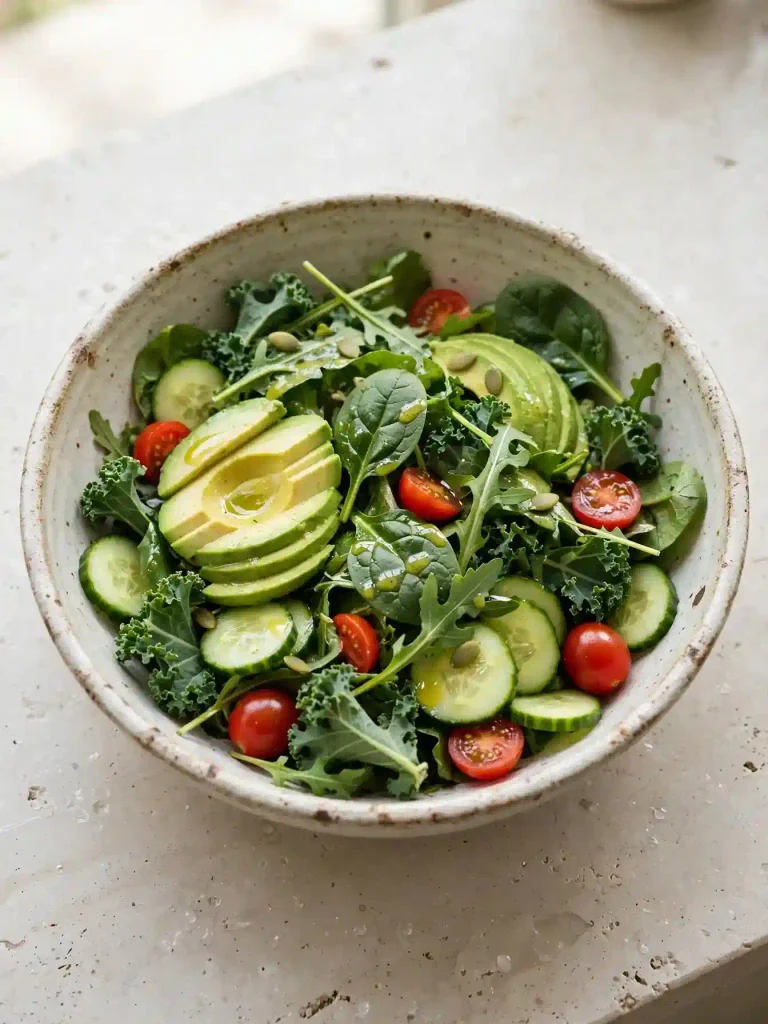
4. Extra-Virgin Olive Oil for Healthy Fats
Extra-virgin olive oil plays a major role in Mediterranean-style eating patterns, and it provides monounsaturated fat plus antioxidant plant compounds such as polyphenols. Research has associated olive-oil-rich dietary patterns with several markers of better cardiovascular and metabolic health.
Use olive oil as a salad dressing, drizzle it over roasted vegetables, or use it in everyday cooking. You can also combine it with lemon juice, garlic, herbs, and a little black pepper for an incredibly simple dressing. Why buy an expensive bottled dressing when five pantry staples can do the job?
Choosing and Using Olive Oil
Look for extra-virgin olive oil from a reputable source and store it away from excessive heat and light. You don’t need to pour half the bottle over dinner, either. A modest amount can add flavor while helping you replace less desirable fats in your overall eating pattern.
Olive oil works particularly well with vegetables because the combination makes meals more satisfying. Try roasted broccoli, tomatoes, peppers, or zucchini with a light drizzle. Suddenly, vegetables start feeling like an actual meal instead of an obligation.

5. Nuts and Seeds for Plant-Based Nutrition
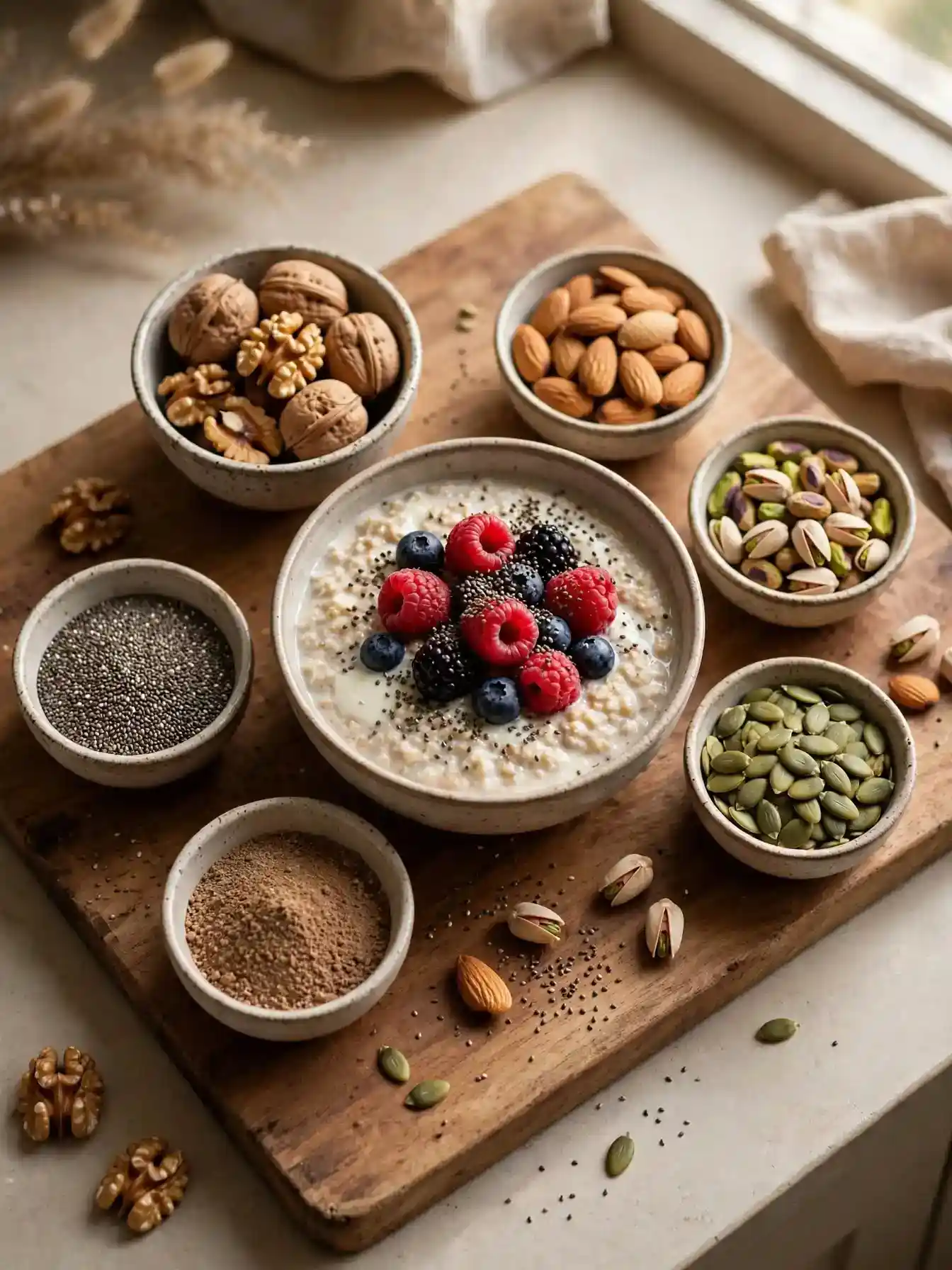
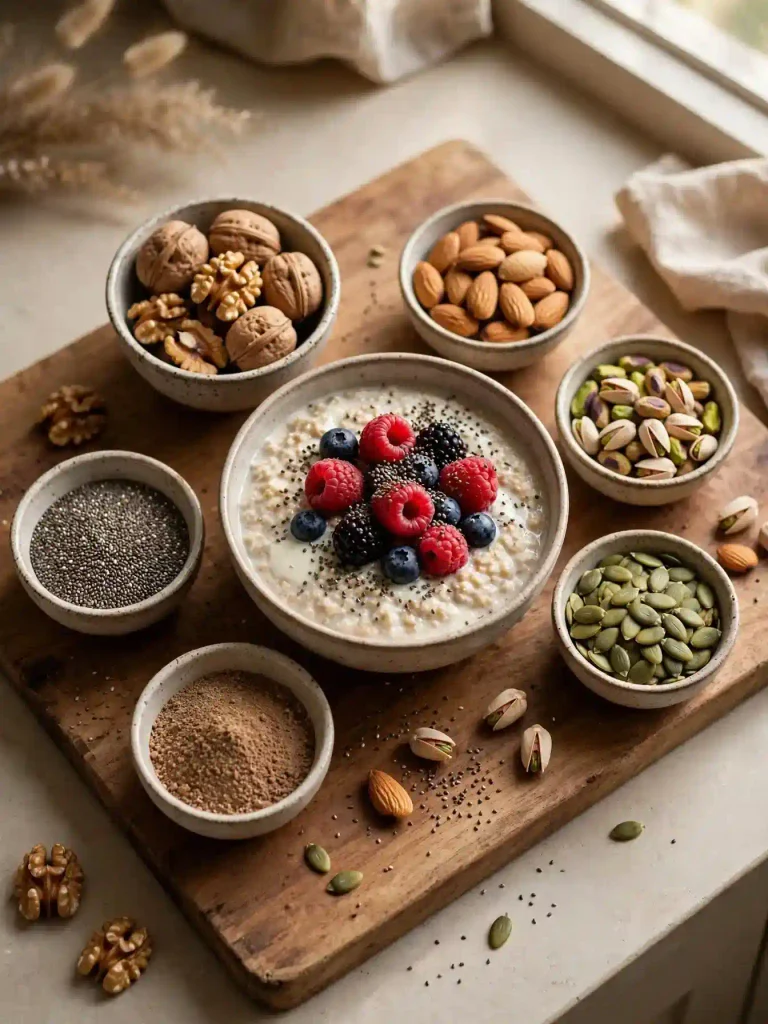
Walnuts, almonds, pistachios, chia seeds, and flaxseeds provide a useful combination of healthy fats, fiber, plant protein, vitamins, minerals, and antioxidant compounds. Walnuts also contain alpha-linolenic acid, a plant-based omega-3 fatty acid. Seeds can bring plenty of nutrition despite their tiny size.
Sprinkle chia or ground flaxseed over oatmeal, yogurt, or smoothies. Add walnuts or almonds to salads, roasted vegetables, or homemade snack mixes. A small handful can also make a simple piece of fruit much more filling.
Keep Portions Practical
Nuts pack plenty of nutrients, but they also contain a lot of calories in a small amount. That doesn’t make them unhealthy; it simply means portion size matters. Keep a small container nearby instead of eating directly from the giant bag while watching television—because somehow that bag develops magical disappearing powers.
Choose mostly unsalted nuts and seeds when possible. You can also rotate between walnuts, almonds, pumpkin seeds, chia seeds, and flaxseed to keep your meals interesting. Variety makes healthy eating much easier to stick with.
6. Tomatoes for Lycopene and More
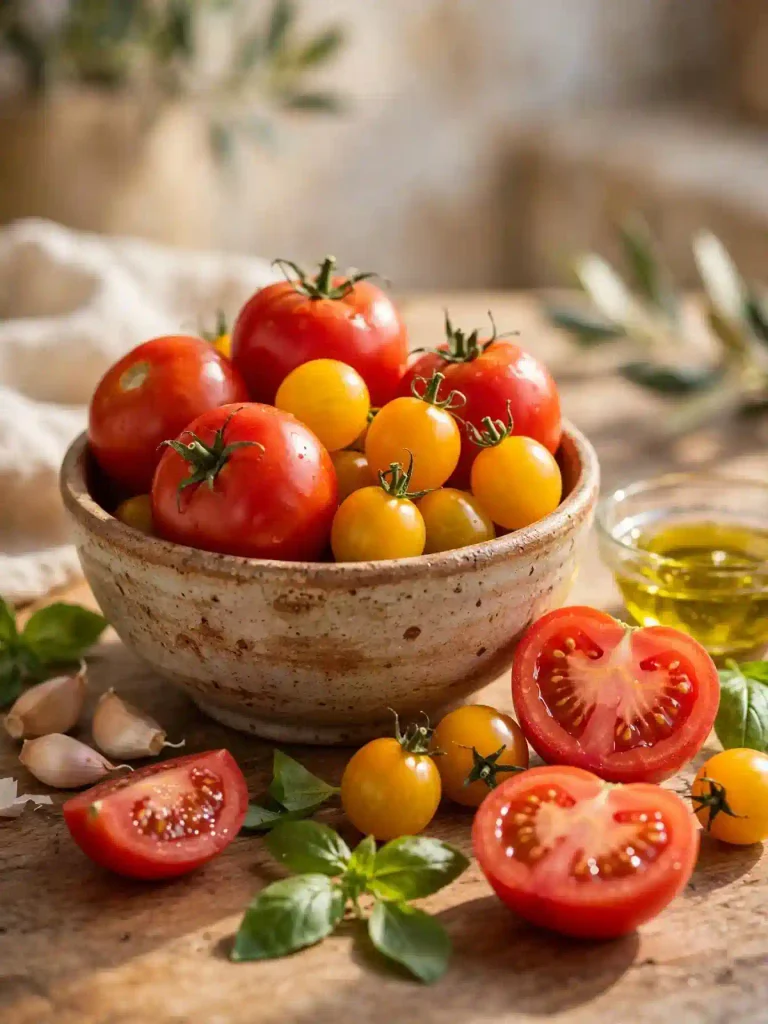
Tomatoes bring more than bright color and fresh flavor to your meals. They provide vitamin C, potassium, fiber, and lycopene, a carotenoid that researchers have studied for its antioxidant properties. Tomatoes work beautifully in everything from salads and soups to sauces and roasted vegetable dishes.
Interestingly, cooking tomatoes can increase the amount of lycopene your body can absorb, especially when you combine them with a source of healthy fat such as olive oil. That gives you another reason to enjoy both fresh and cooked tomatoes. Who knew your basic pasta sauce had such potential?
Fresh or Cooked Tomatoes?
Both options have a place on your plate. Fresh tomatoes work well in salads, sandwiches, salsa, and grain bowls, while cooked tomatoes can form the base of soups, stews, sauces, and curries. Eating tomatoes in different forms adds variety while providing useful nutrients.
Try roasting cherry tomatoes with olive oil and herbs for an easy side dish. You can also make a simple tomato sauce with garlic, onions, herbs, and olive oil. The result tastes far more impressive than the amount of effort suggests.
7. Cruciferous Vegetables for Extra Plant Power
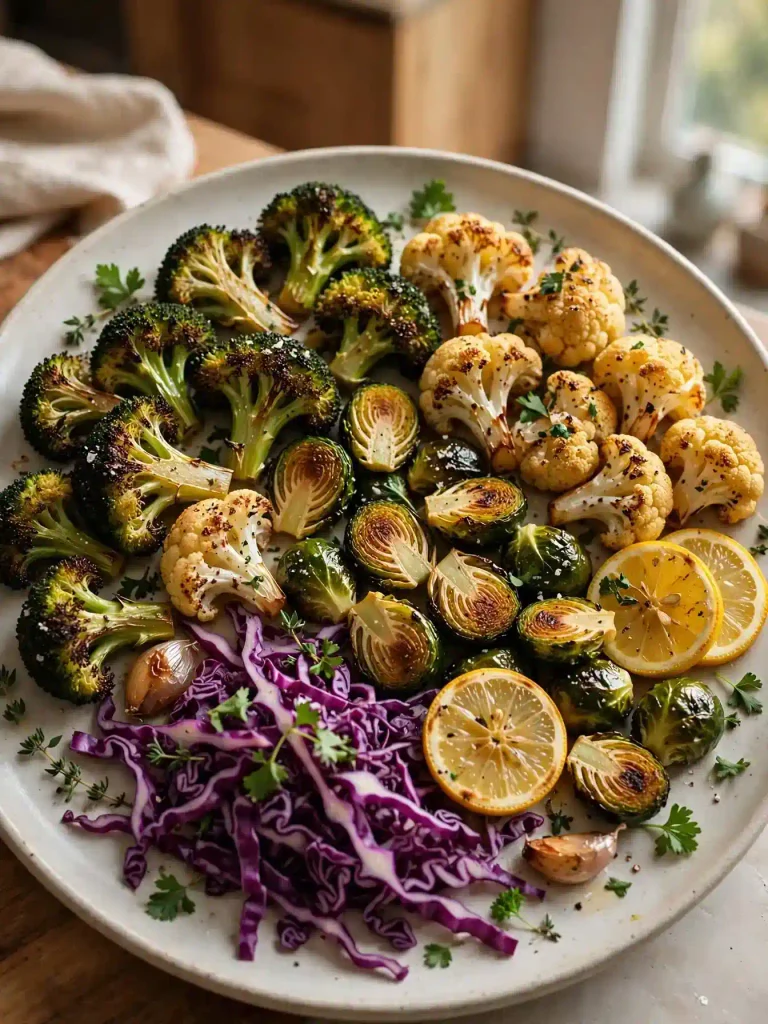
Broccoli, cauliflower, Brussels sprouts, cabbage, and bok choy belong to the cruciferous vegetable family. These foods provide fiber, vitamins, minerals, and plant compounds such as glucosinolates. They can also help you increase your overall vegetable intake without relying on the same three vegetables every week.
Roast broccoli with olive oil and garlic, toss shredded cabbage into tacos, or sauté bok choy with ginger. Brussels sprouts become especially tasty when you roast them until the edges turn crisp. If you think you dislike vegetables, give roasted cruciferous vegetables a fair chance before making the final ruling.
Make Cruciferous Vegetables Easier
You don’t need complicated recipes to enjoy these vegetables. Cut broccoli into small florets, season it with olive oil, garlic, and pepper, then roast it until tender with crispy edges. You can also add cauliflower or cabbage to soups, curries, stir-fries, and grain bowls.
Try rotating several vegetables instead of forcing yourself to eat one every day. More variety means a broader range of nutrients and a much less boring meal plan. And yes, boring food remains boring even when someone calls it “clean eating.”
How to Build an Anti-Inflammatory Plate
You don’t need to create a completely new diet to include more anti-inflammatory foods. Start by building meals around whole or minimally processed foods and add colorful plants whenever you can. A simple plate might include grilled salmon, roasted broccoli, brown rice, and a tomato-and-arugula salad.
Another meal could combine leafy greens, berries, walnuts, grilled chicken, and a homemade olive-oil dressing. For breakfast, try oatmeal topped with blueberries, chia seeds, and walnuts. Small combinations can give you several nutrient-rich foods in one meal.
Here are a few easy habits to try:
- Add one fruit or vegetable to every meal.
- Choose fatty fish when you want a protein source rich in omega-3 fats.
- Keep berries, nuts, and seeds available for quick snacks.
- Use extra-virgin olive oil in place of some highly processed fats.
- Rotate colorful vegetables throughout the week.
- Choose whole foods more often than heavily processed options.
- Drink plenty of water and maintain an overall balanced eating pattern.
What About Foods You Should Avoid?
You don’t need to label every food as “good” or “bad.” Your overall dietary pattern matters much more than one cookie, one slice of pizza, or one restaurant meal. A nutrient-rich diet can still include foods you simply enjoy.
However, eating large amounts of highly processed foods, added sugars, refined carbohydrates, and unhealthy fats may crowd nutritious foods out of your diet. Instead of focusing entirely on restriction, think about what you can add. More vegetables, fruits, whole grains, legumes, nuts, seeds, and healthy fats naturally leave less room for less nutritious choices.
Easy Anti-Inflammatory Meal Ideas
Need a few simple combinations to get started? Try these:
- Breakfast: Oatmeal with blueberries, chia seeds, and walnuts.
- Lunch: Spinach salad with tomatoes, grilled salmon, olive oil, and lemon.
- Snack: Strawberries with plain Greek yogurt and ground flaxseed.
- Dinner: Roasted broccoli, baked salmon, and a whole grain.
- Quick meal: Whole-grain toast topped with sardines, tomatoes, and arugula.
These meals don’t require complicated ingredients or hours in the kitchen. You can swap ingredients based on your preferences, budget, and availability. That flexibility matters because the best healthy eating plan should fit your actual life.
Final Thoughts on Anti-Inflammatory Foods
Adding nutrient-rich anti-inflammatory foods to your meals doesn’t require perfection, expensive superfoods, or an intimidating meal plan. Fatty fish, berries, leafy greens, extra-virgin olive oil, nuts and seeds, tomatoes, and cruciferous vegetables all offer valuable nutrients that can support an overall healthy eating pattern.
Start with one or two foods you genuinely enjoy and build from there. Maybe you add berries to breakfast this week and roasted broccoli to dinner next week. Those small choices can eventually become habits, and habits usually matter far more than dramatic diet makeovers.
Remember, food can support your health, but it can’t replace medical care or treat a health condition on its own. If you have a medical condition, take medications, or have specific dietary needs, talk with a qualified healthcare professional before making major changes.
So, what will you add to your plate first? A handful of berries, some leafy greens, or that salmon you keep saying you’ll try? Your next healthy meal doesn’t need to be perfect—it just needs to be a little better than the last one. 🙂