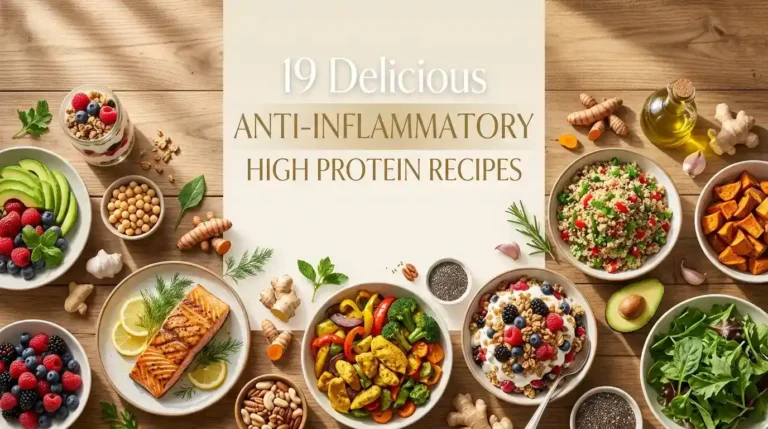
20 Powerful Anti-Inflammatory Foods That Heal Naturally
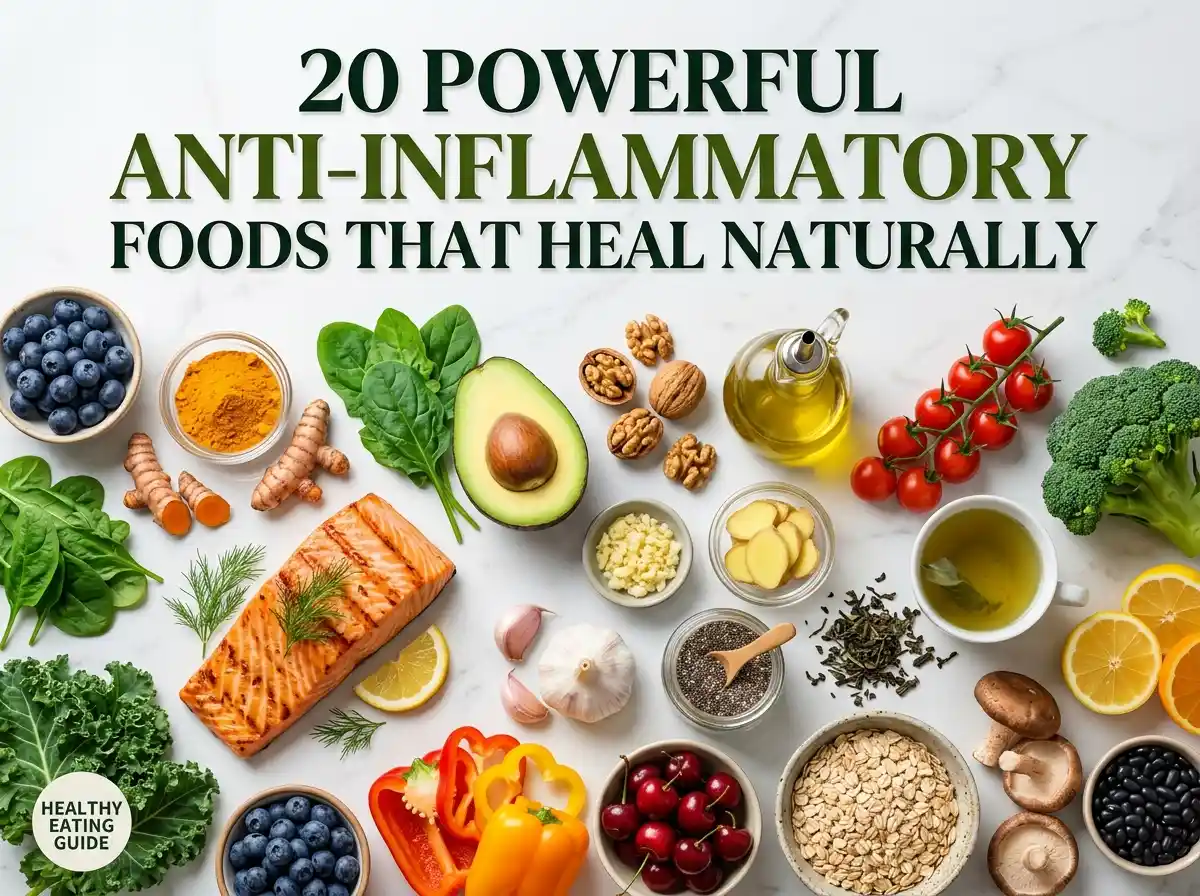
Your Plate Might Be More Powerful Than You Think
If you’ve ever felt tired for no obvious reason, dealt with achy joints, or struggled with constant bloating, inflammation might play a bigger role than you realise. The good news? You don’t need a pantry full of trendy supplements to support your body. Sometimes, the best medicine starts with what’s already in your kitchen.
I’ve slowly added more anti-inflammatory foods to my meals over the years, and I genuinely noticed the difference. I felt more energetic, my meals became more colourful, and eating healthy stopped feeling like a chore. Honestly, who knew blueberries and salmon could make such a great team?
If you’re ready to build healthier eating habits, these 20 powerful anti-inflammatory foods that heal naturally deserve a spot on your shopping list.
What Is Inflammation?
Inflammation is your body’s natural defence system. It helps you heal after an injury or fight off infections. The problem starts when inflammation sticks around for too long.
Chronic inflammation may contribute to several health concerns, including:
- Heart disease
- Type 2 diabetes
- Arthritis
- Obesity
- Digestive issues
- Certain autoimmune conditions
The foods you eat every day can either help calm inflammation or encourage it.
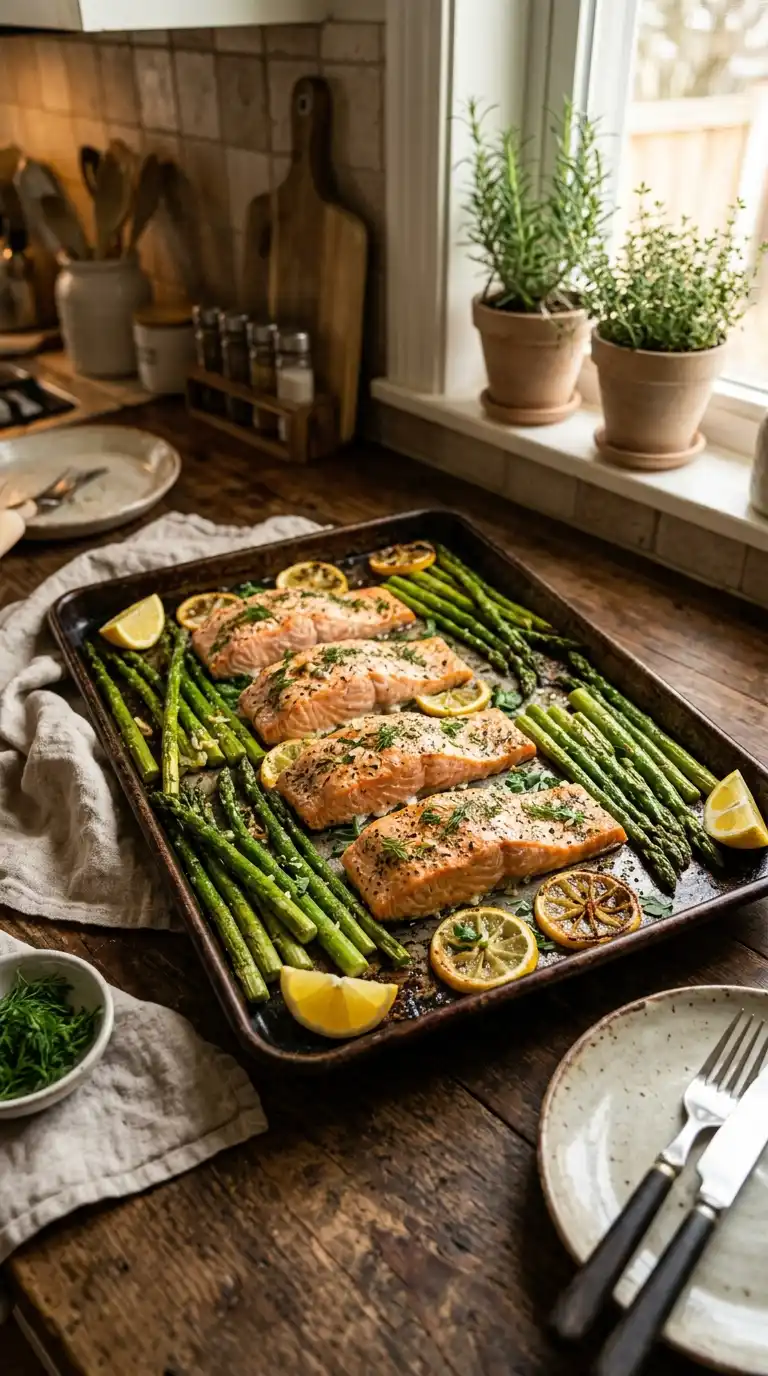
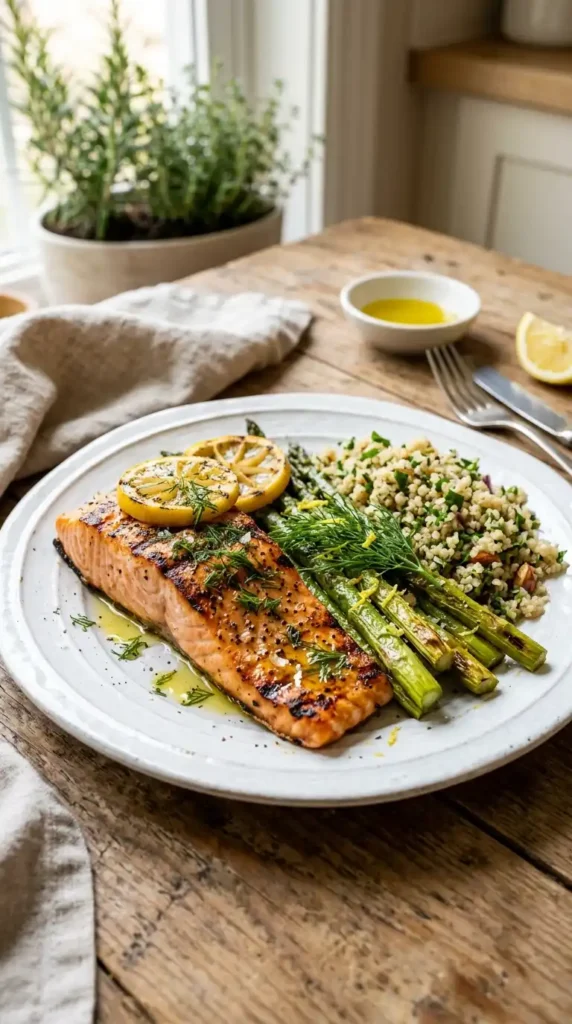
1. Salmon
Salmon sits at the top of almost every anti-inflammatory food list.
It’s packed with omega-3 fatty acids, which help support heart health and reduce inflammation throughout the body.
Try salmon:
- Grilled
- Baked
- Air-fried
- Added to salads
- Mixed into grain bowls
2. Blueberries
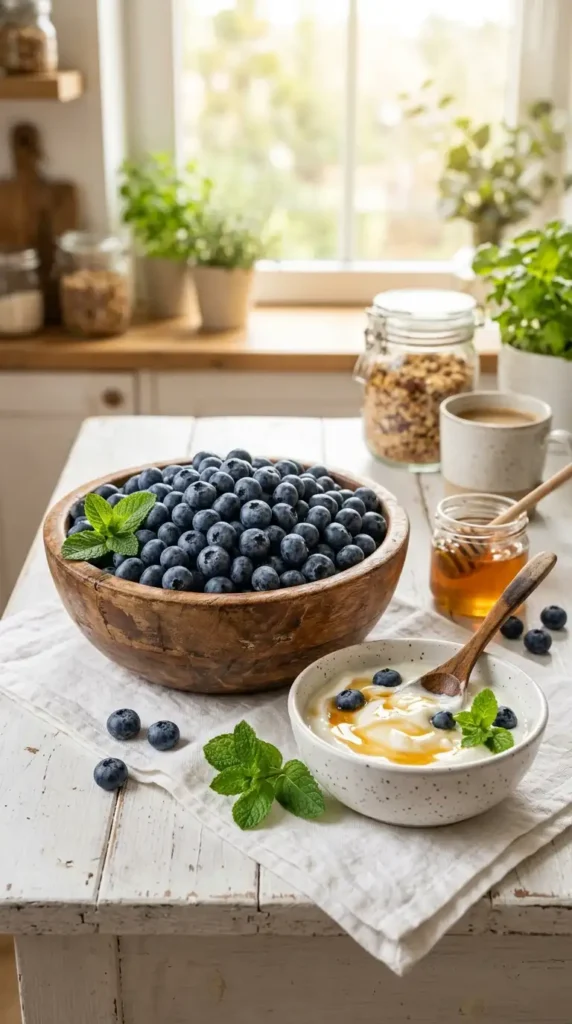
Tiny but mighty, blueberries deliver an impressive amount of antioxidants.
They contain anthocyanins, natural compounds that help fight oxidative stress.
I love adding a handful to my morning yoghurt because it feels like dessert without the guilt.
3. Turmeric
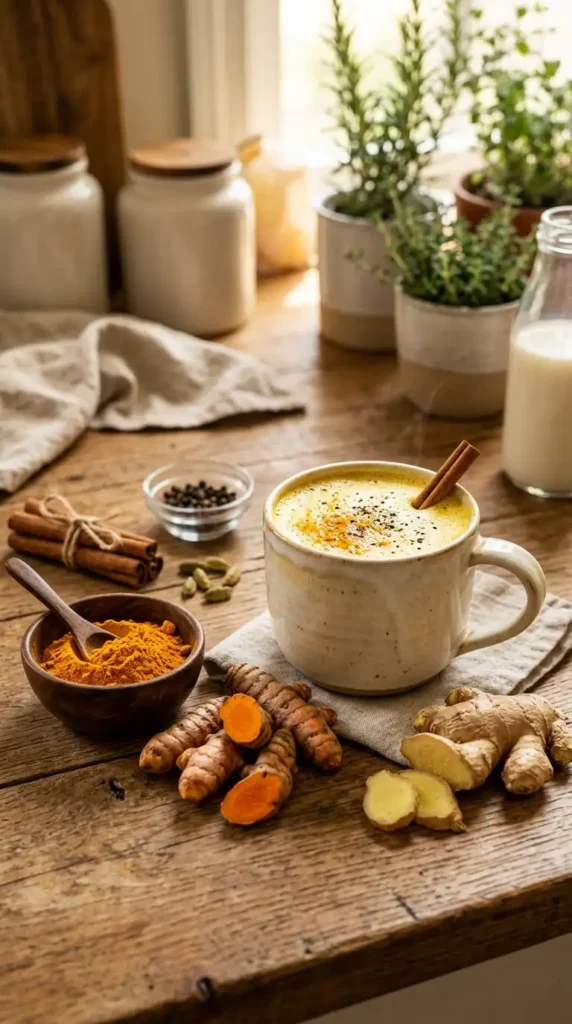
Turmeric has earned its reputation for a reason.
Its active compound, curcumin, offers powerful anti-inflammatory properties.
For better absorption, pair turmeric with:
- Black pepper
- Healthy fats like olive oil
- Coconut milk
Ever wondered why golden milk became so popular? Now you know.
4. Leafy Greens
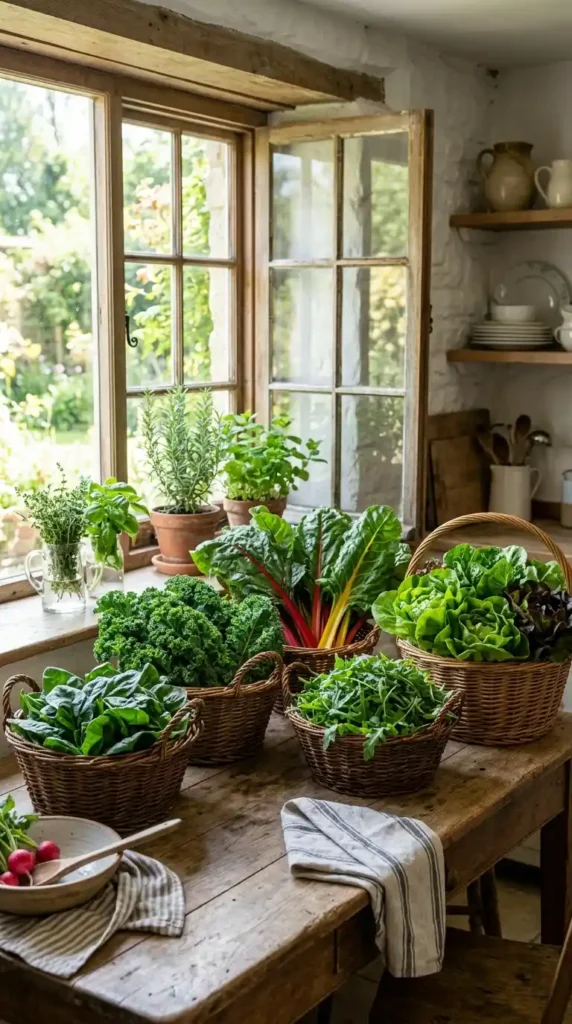
Spinach, kale, Swiss chard, and arugula all deserve a place on your plate.
These vegetables provide:
- Vitamin C
- Vitamin K
- Fibre
- Antioxidants
Fresh salads, smoothies, and stir-fries all make excellent choices.
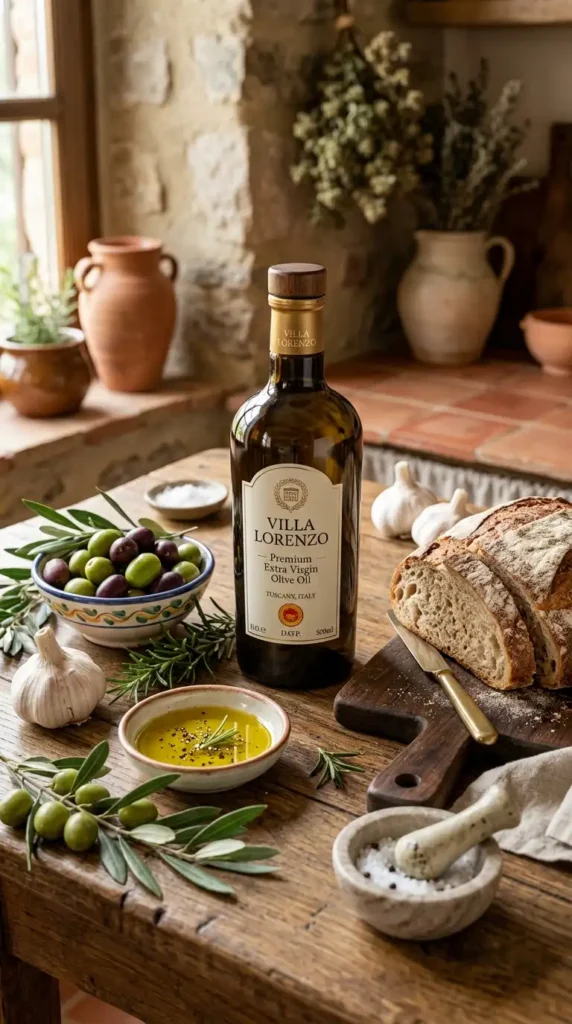
5. Extra Virgin Olive Oil
Olive oil remains a cornerstone of the Mediterranean diet.
Its healthy fats and antioxidant compounds help support overall wellness.
Use it for:
- Salad dressings
- Roasted vegetables
- Marinades
- Grain bowls
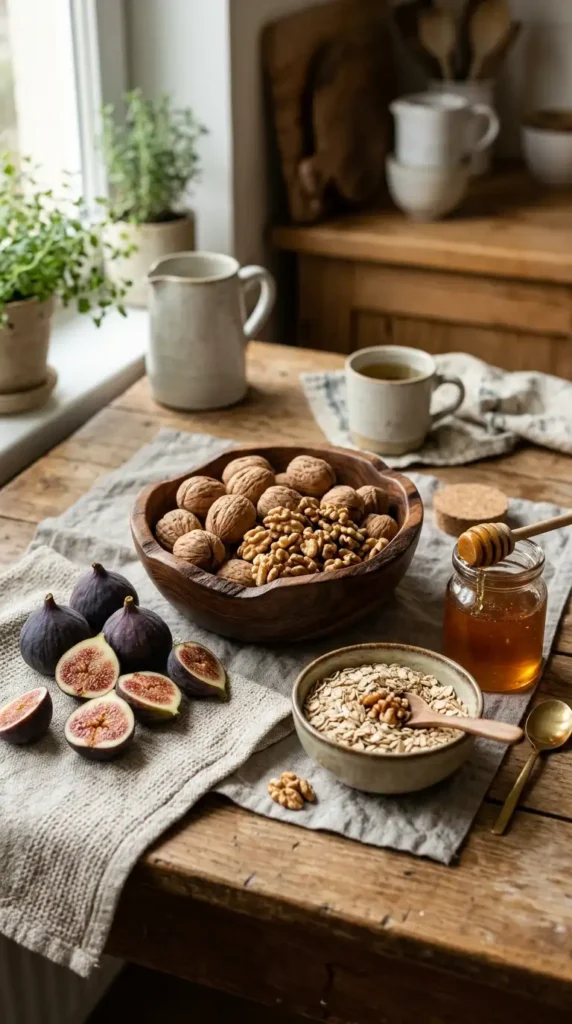
6. Walnuts
Walnuts combine healthy fats, fibre, and plant-based omega-3s.
They’re also incredibly easy to snack on.
Keep portions moderate because they’re calorie-dense, but don’t let that scare you away.
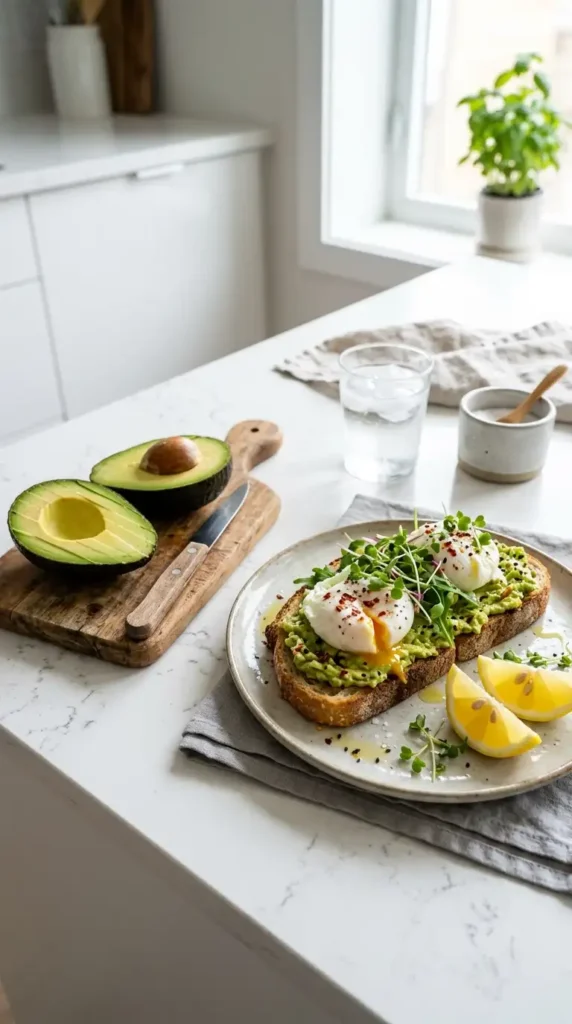
7. Avocados
Creamy, satisfying, and packed with nutrients, avocados offer far more than trendy toast toppings.
They provide:
- Healthy monounsaturated fats
- Potassium
- Fibre
- Vitamin E
FYI, they also make almost any salad taste better. 🙂
8. Ginger
Fresh ginger adds flavour while supporting your body’s natural inflammatory response.
Grate it into:
- Stir-fries
- Smoothies
- Herbal tea
- Soups
It also pairs beautifully with lemon.

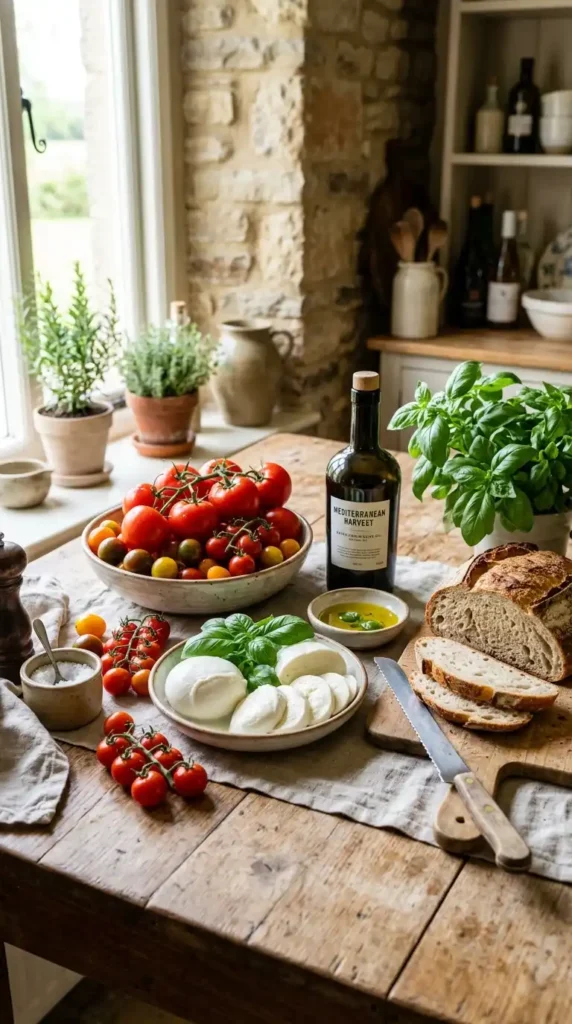
9. Tomatoes
Tomatoes contain lycopene, a powerful antioxidant.
Interestingly, cooked tomatoes often provide more absorbable lycopene than raw ones.
That’s a great excuse to enjoy homemade tomato sauce.
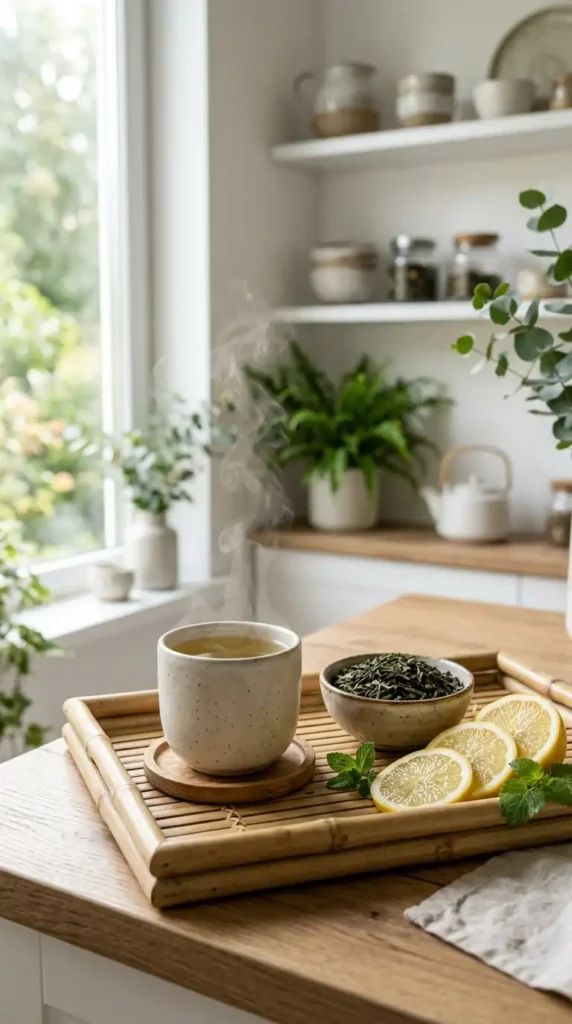
10. Green Tea
Green tea offers more than a calming afternoon break.
It contains catechins, antioxidants linked to reduced inflammation and better overall health.
Swap one sugary drink each day for green tea and see how quickly the habit sticks.
11. Broccoli
Broccoli belongs to the cruciferous vegetable family.
It’s rich in:
- Vitamin C
- Fibre
- Sulforaphane
- Antioxidants
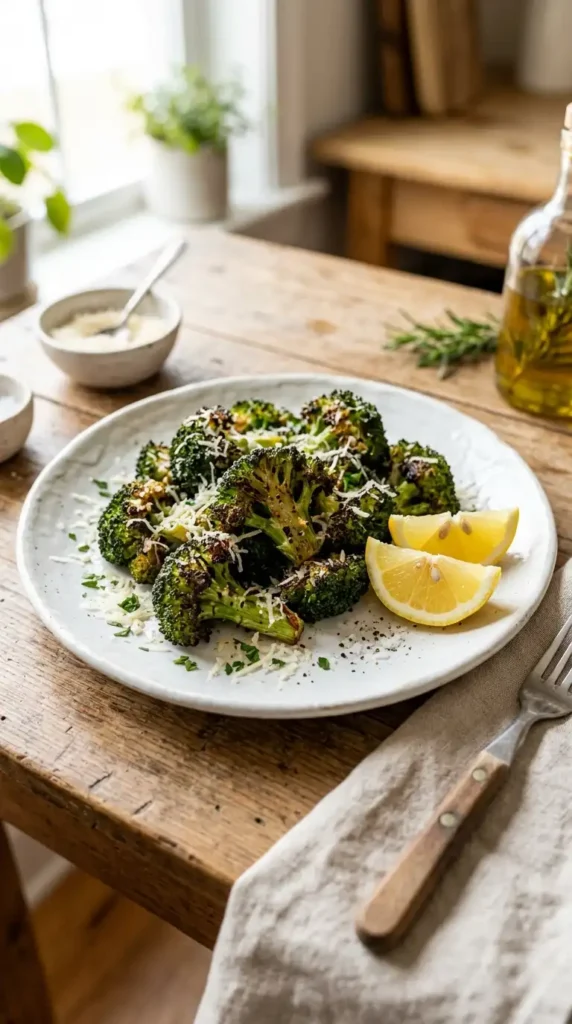
Roasting broccoli completely changes its flavour. Trust me, even sceptics often change their minds.
12. Chia Seeds
Don’t let their tiny size fool you.
Chia seeds deliver:
- Omega-3 fats
- Fibre
- Protein
- Calcium
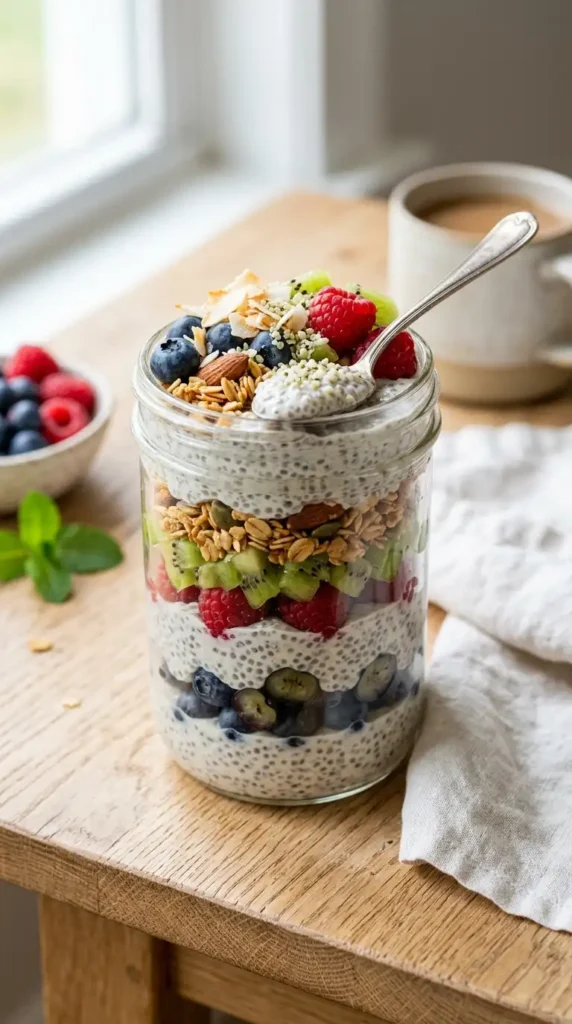
Mix them into overnight oats, yoghurt, or smoothies for an easy nutrition boost.
13. Dark Chocolate
Yes, chocolate made the list.
Choose dark chocolate with at least 70% cocoa to get the most antioxidants while limiting added sugar.
Moderation still matters, unfortunately. The chocolate fairy hasn’t changed that rule yet.

14. Garlic
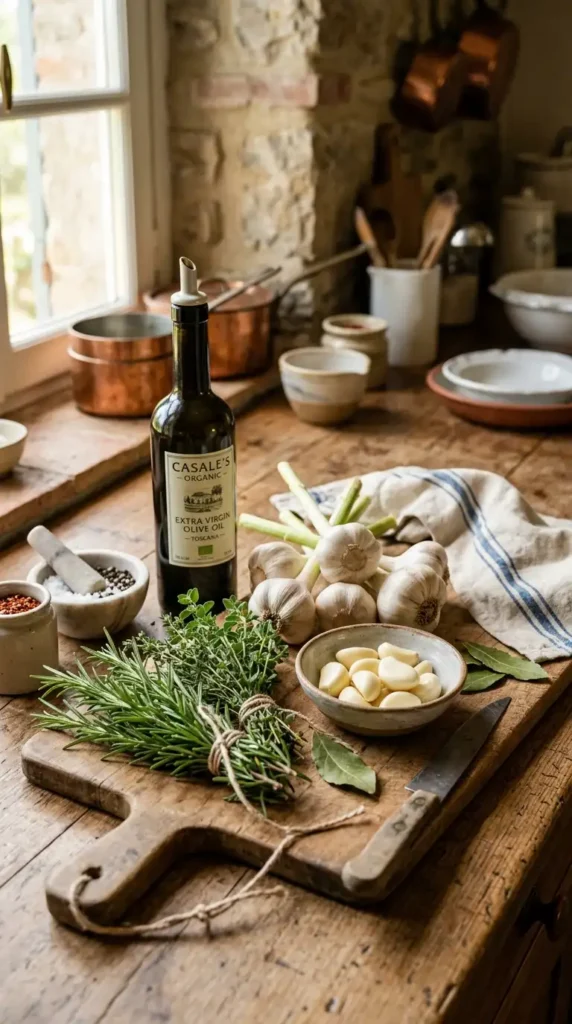
Garlic adds bold flavour and impressive health benefits.
Its natural sulphur compounds may help support a healthy inflammatory response.
Fresh garlic usually delivers the strongest flavour and benefits.
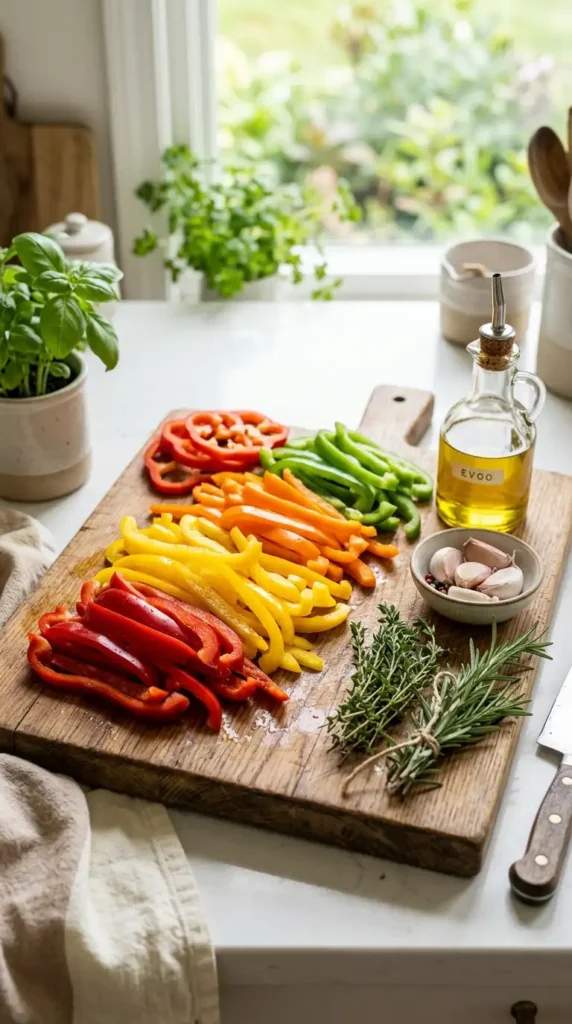
15. Bell Peppers
Colourful bell peppers brighten every meal.
They contain:
- Vitamin C
- Vitamin A
- Antioxidants
- Fibre
Red peppers generally provide the highest amount of vitamin C.
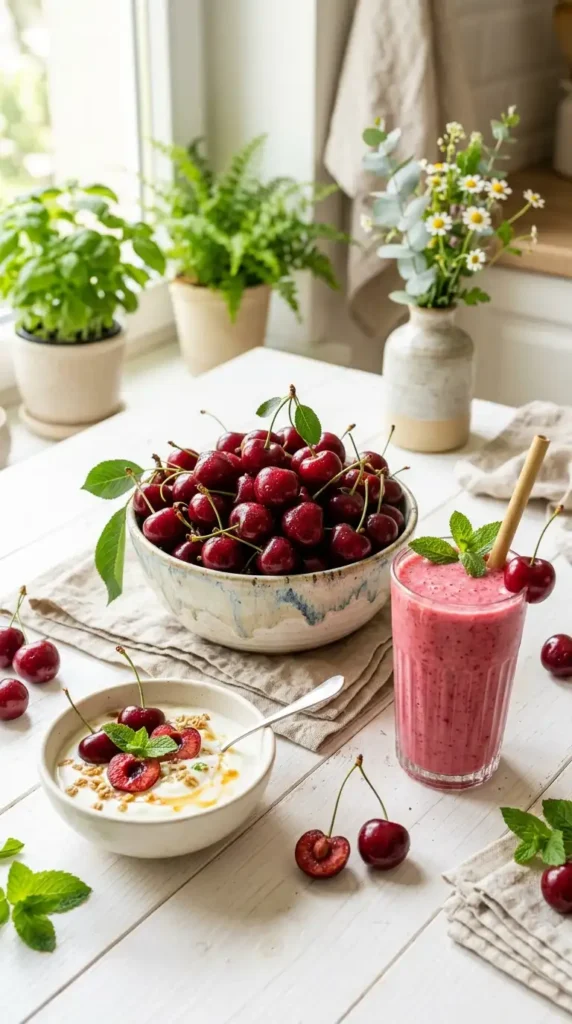
16. Cherries
Both sweet and tart cherries contain antioxidants that may help reduce inflammation.
Enjoy them:
- Fresh
- Frozen
- In smoothies
- Mixed into oats
They’re one of my favourite summer snacks.
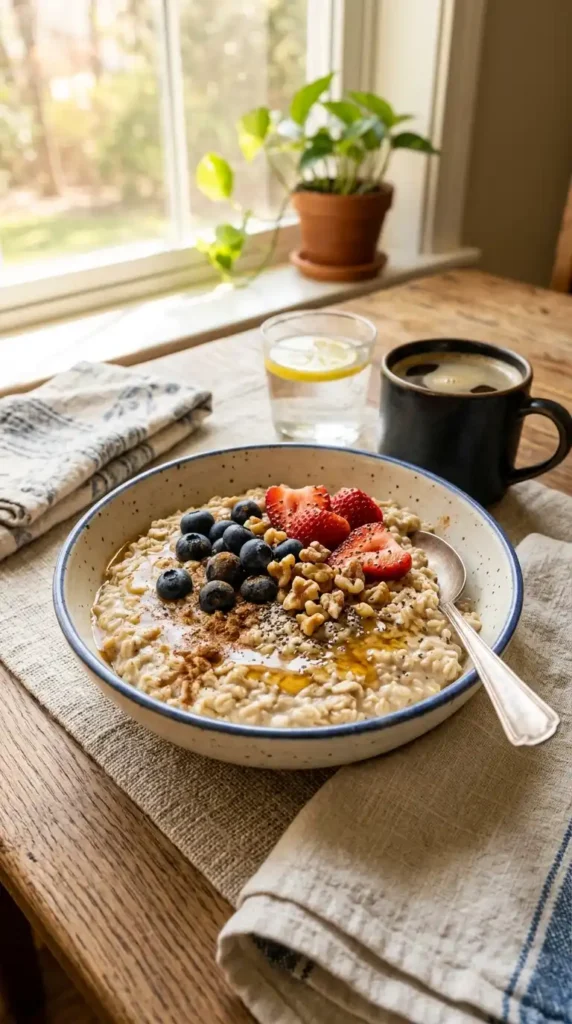
17. Oats
Whole oats offer soluble fibre that supports gut health.
A healthier gut often supports a healthier inflammatory response.
Start your morning with oats topped with berries and walnuts for an easy anti-inflammatory breakfast.
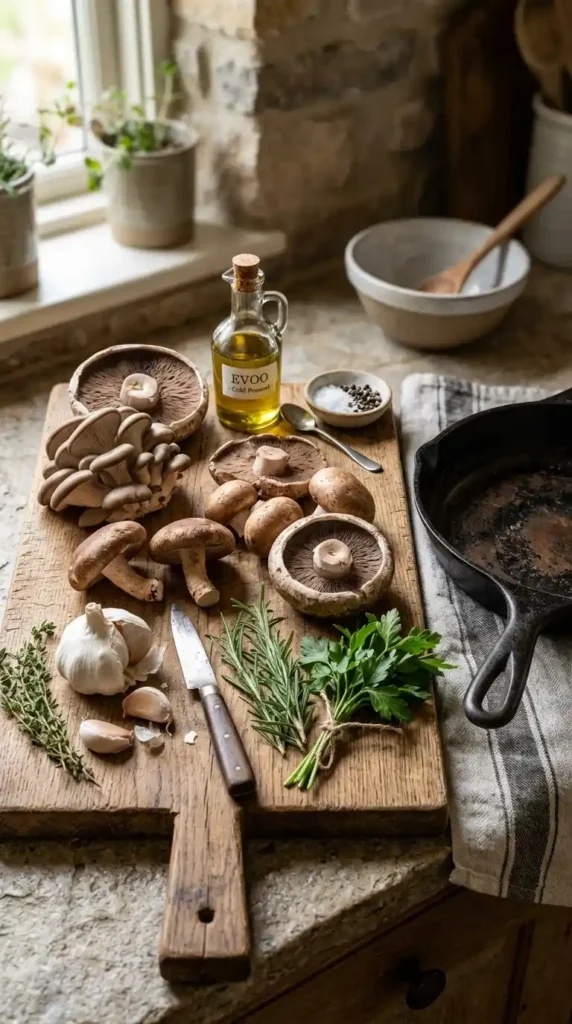
18. Mushrooms
Mushrooms supply beneficial plant compounds along with important nutrients.
Popular options include:
- Shiitake
- Cremini
- Portobello
- Oyster mushrooms
Roasting them brings out a rich, savoury flavour.
19. Citrus Fruits
Oranges, lemons, grapefruits, and limes all provide vitamin C and antioxidants.
Add citrus to:
- Water
- Salads
- Marinades
- Fruit bowls
Small additions often make healthy eating much more enjoyable.

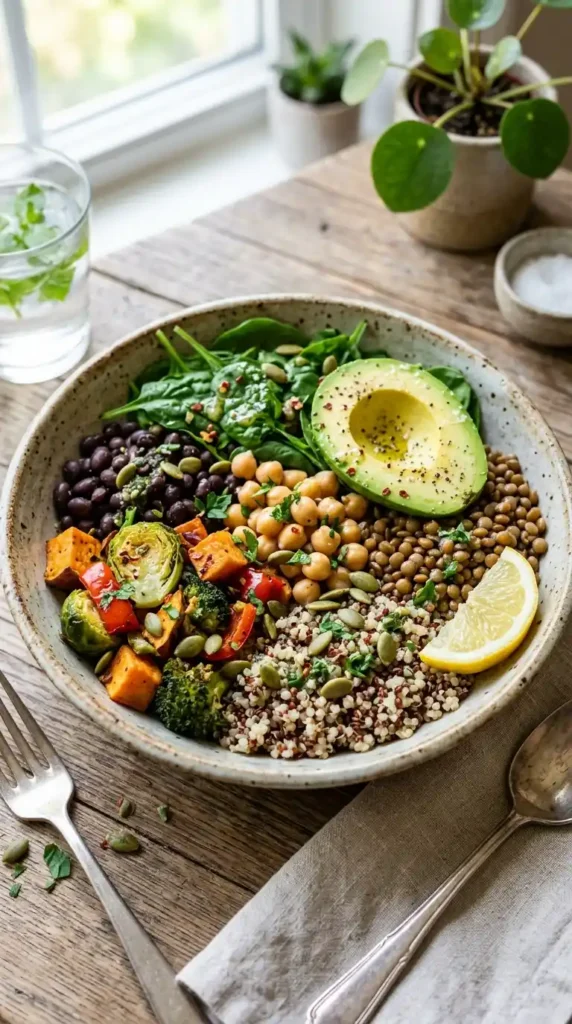
20. Beans and Lentils
Beans and lentils offer one of the best combinations of protein, fibre, and minerals.
Excellent choices include:
- Black beans
- Chickpeas
- Kidney beans
- Lentils
They’re affordable, filling, and incredibly versatile.
Simple Ways to Eat More Anti-Inflammatory Foods
Healthy eating doesn’t require a complete kitchen makeover.
Try these simple habits:
- Add berries to breakfast.
- Cook with olive oil instead of butter when appropriate.
- Eat oily fish twice a week.
- Snack on walnuts instead of crisps.
- Include leafy greens at lunch.
- Drink green tea in the afternoon.
- Season meals with turmeric, garlic, and ginger.
- Choose colourful vegetables whenever possible.
Small changes add up faster than most people expect.
Foods That May Increase Inflammation
Building an anti-inflammatory diet also means limiting certain foods.
Try to reduce:
- Sugary drinks
- Highly processed snacks
- Refined carbohydrates
- Deep-fried foods
- Processed meats
- Excessive alcohol
- Foods high in trans fats
You don’t have to eat perfectly. Consistency matters much more than perfection.
Tips for an Anti-Inflammatory Lifestyle
Food plays a huge role, but lifestyle matters too.
Support your body by:
- Getting enough sleep
- Staying physically active
- Managing stress
- Drinking plenty of water
- Eating a variety of whole foods
- Avoiding smoking
These habits work together with a healthy diet for the best results.
Final Thoughts
Adding more powerful anti-inflammatory foods to your daily meals doesn’t have to feel overwhelming. Start with one or two simple swaps, build consistent habits, and let those small choices grow over time. Foods like salmon, berries, leafy greens, olive oil, turmeric, and beans offer plenty of flavour while supporting your overall health.
Remember, no single food can magically “heal” every condition, but a balanced eating pattern rich in whole, nutrient-dense foods can help your body function at its best. Fill your plate with colour, enjoy the process, and give your body the nourishment it deserves. Your future self will thank you.