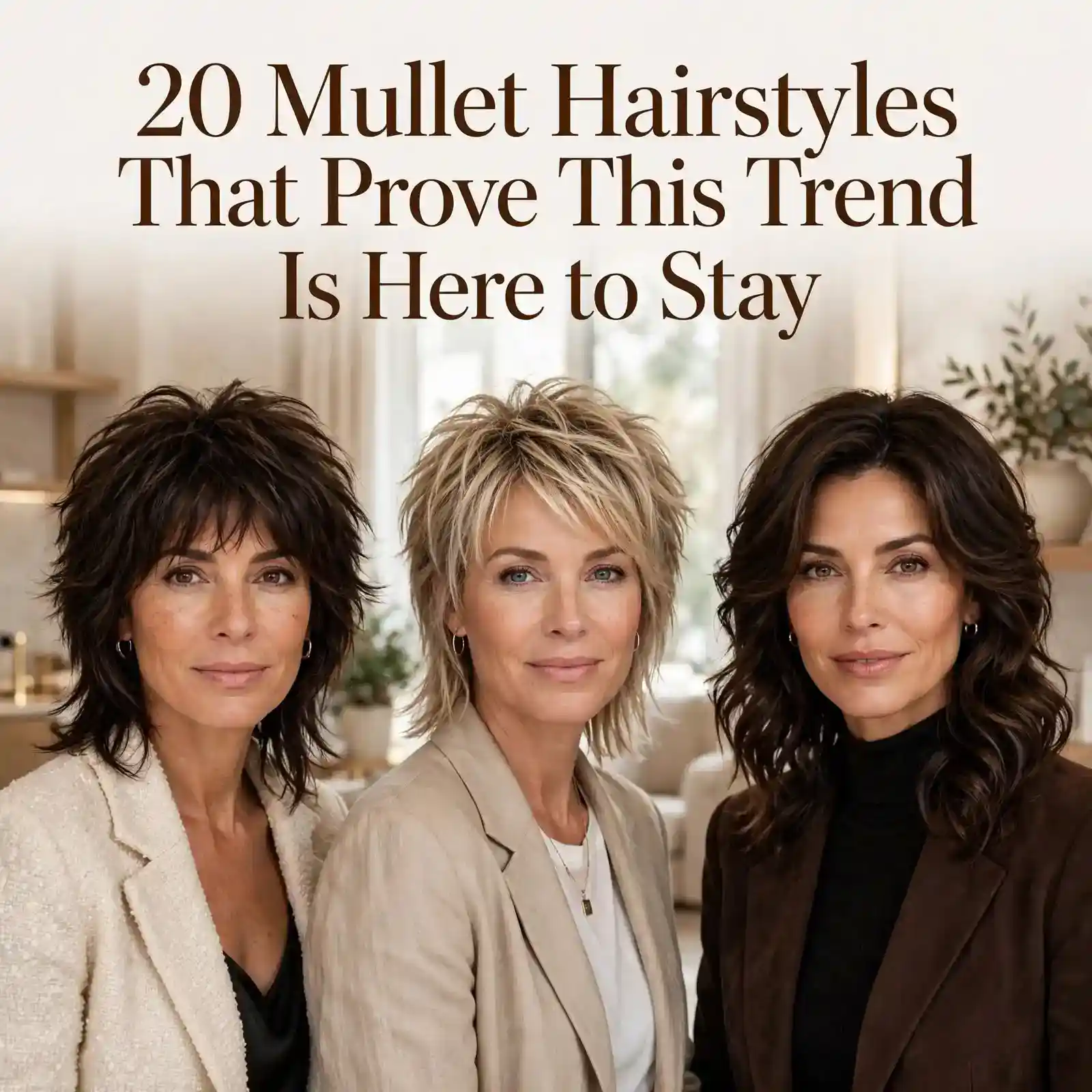
20 Mullet Hairstyles That Prove This Trend Is Here to Stay
The mullet has officially refused to disappear—and honestly, I’m not mad about it. What started as a bold throwback haircut now comes in softer, prettier, edgier, and surprisingly wearable versions. If you want a haircut with personality, movement, and just enough attitude, these mullet hairstyles deserve your attention.
I’ve always liked hairstyles that look intentional without demanding an hour in front of the mirror. A modern mullet checks that box beautifully because layers do most of the work for you. So, whether you want something subtle or you’re ready to fully embrace the shaggy edge, there’s a version here for you.
1. Classic Modern Mullet
The classic modern mullet keeps the recognizable shorter layers around the crown and longer pieces toward the neckline. Stylists can soften the contrast so the haircut feels contemporary rather than costume-like. Add a little texture with your fingers, and you can create that effortlessly messy finish.
This version works particularly well if you enjoy hairstyles with natural movement. I’d choose it when you want something bold but still practical enough for everyday life. Why settle for another predictable layered cut when you can have a little personality?
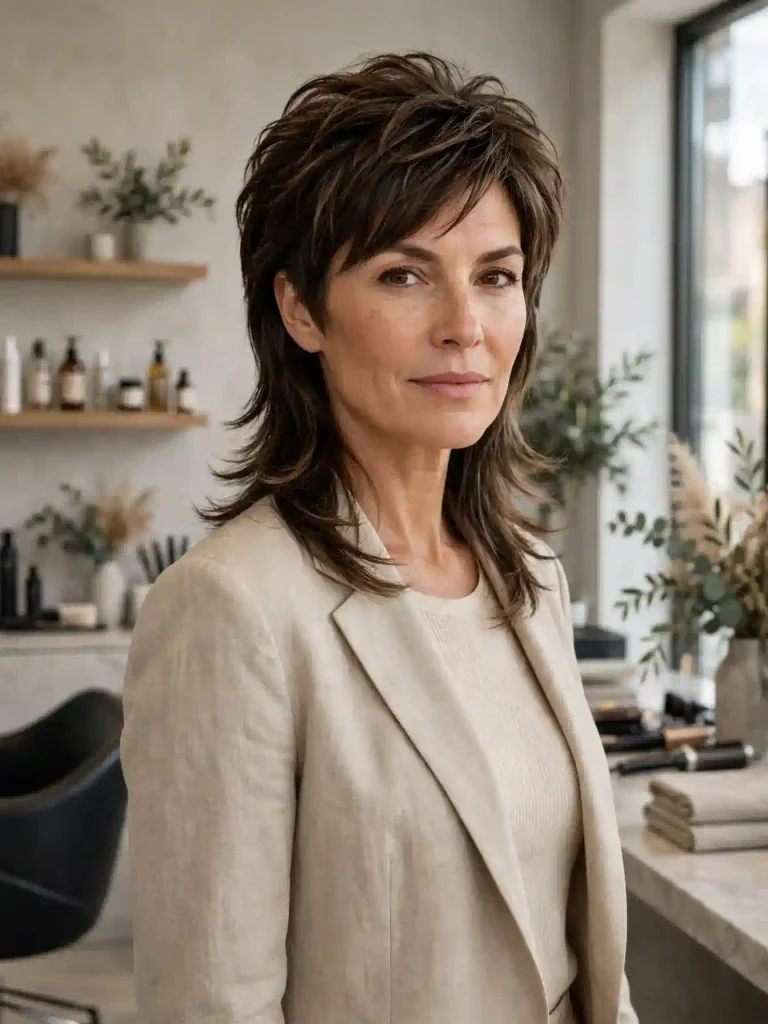
2. Soft Mullet With Wispy Layers
A soft mullet offers an easier introduction to the trend. Wispy layers create movement around the face while the back keeps a slightly longer, textured shape. The gentle transition makes this style much less dramatic than a traditional mullet.
This soft mullet haircut suits anyone who wants volume without a heavy, bulky shape. Ask your stylist to keep the layers light and blended. The result feels airy, modern, and wonderfully low-maintenance.
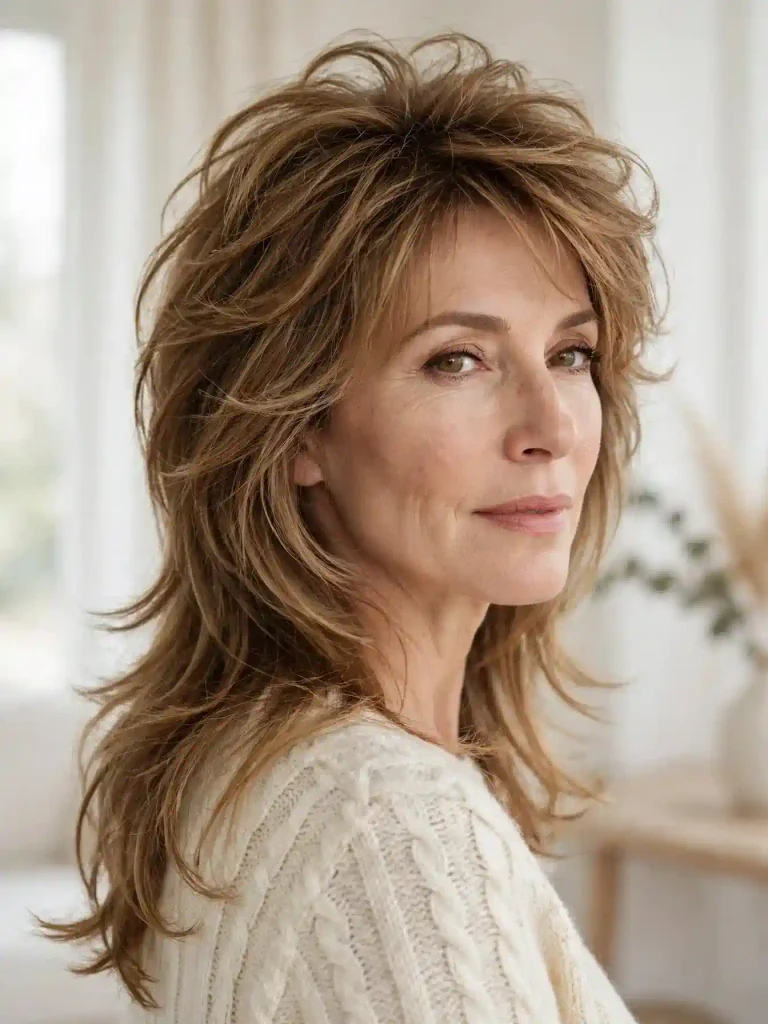
3. Shaggy Mullet
The shaggy mullet combines the relaxed texture of a shag with the unmistakable shape of a mullet. Choppy layers create volume around the crown and give the ends a deliberately undone appearance. You can enhance the texture with a lightweight styling cream or sea-salt spray.
I especially love this version for naturally wavy hair because the texture does half the styling for you. Straight hair can also pull it off with a little tousling. Basically, messy hair finally gets permission to look intentional. 🙂
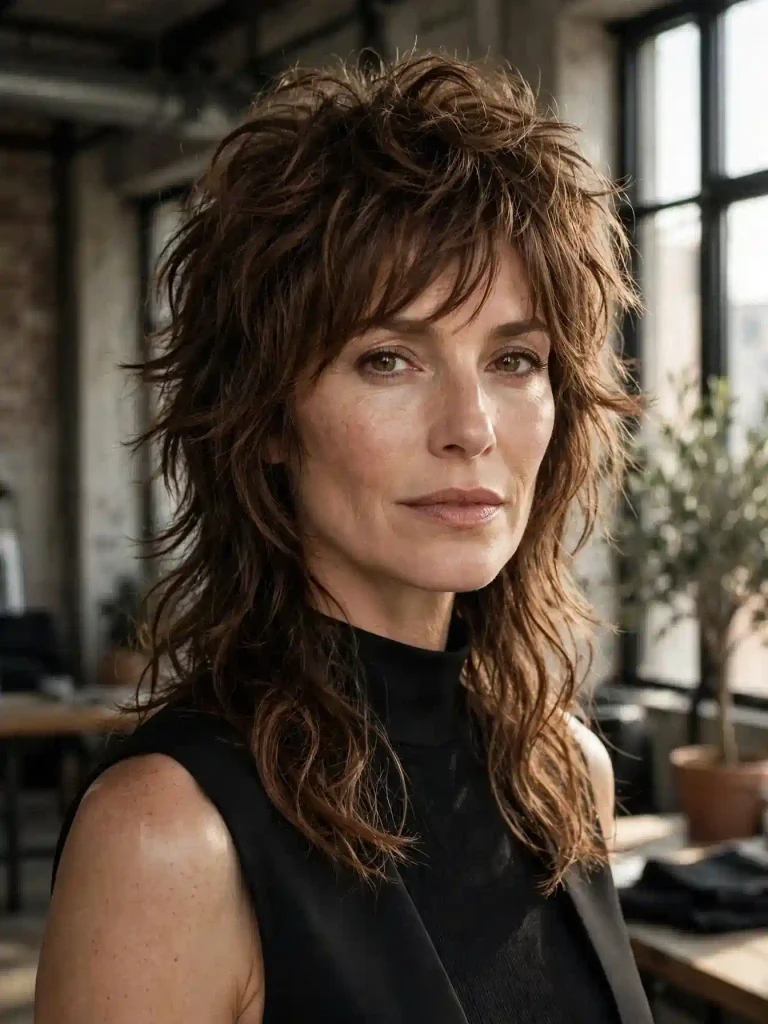
4. Curly Mullet
Curly hair gives the mullet a completely different personality. Shorter layers help curls spring upward around the crown while longer curls create movement around the neck. The shape can look playful, dramatic, and beautifully full.
A curly mullet hairstyle needs thoughtful layering because curl patterns can shrink dramatically. Ask your stylist to work with your natural curl pattern instead of treating your hair like straight hair. That small detail can make a huge difference.
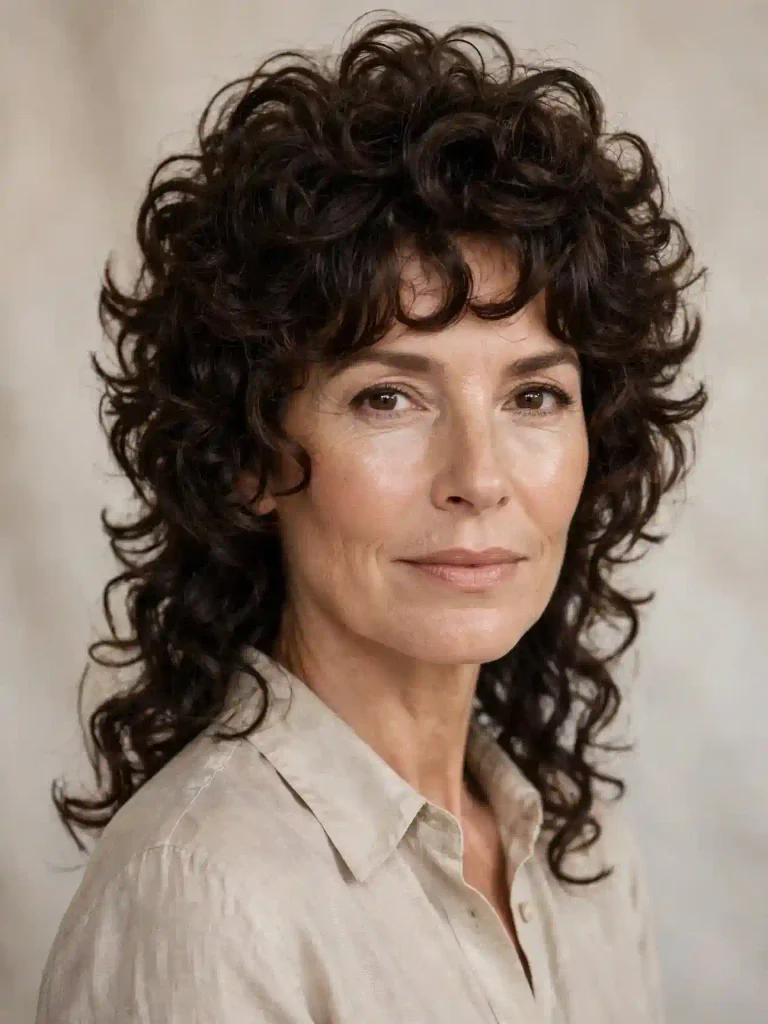
5. Wavy Mullet
A wavy mullet creates a softer silhouette than a heavily chopped version. Loose waves add natural movement while the layered crown provides extra lift. You can wear the waves polished or let them fall into a relaxed, beachy texture.
This style works especially well for medium-length hair. Use a lightweight mousse to define your waves without making them stiff. IMO, a little natural texture makes this haircut look even better.
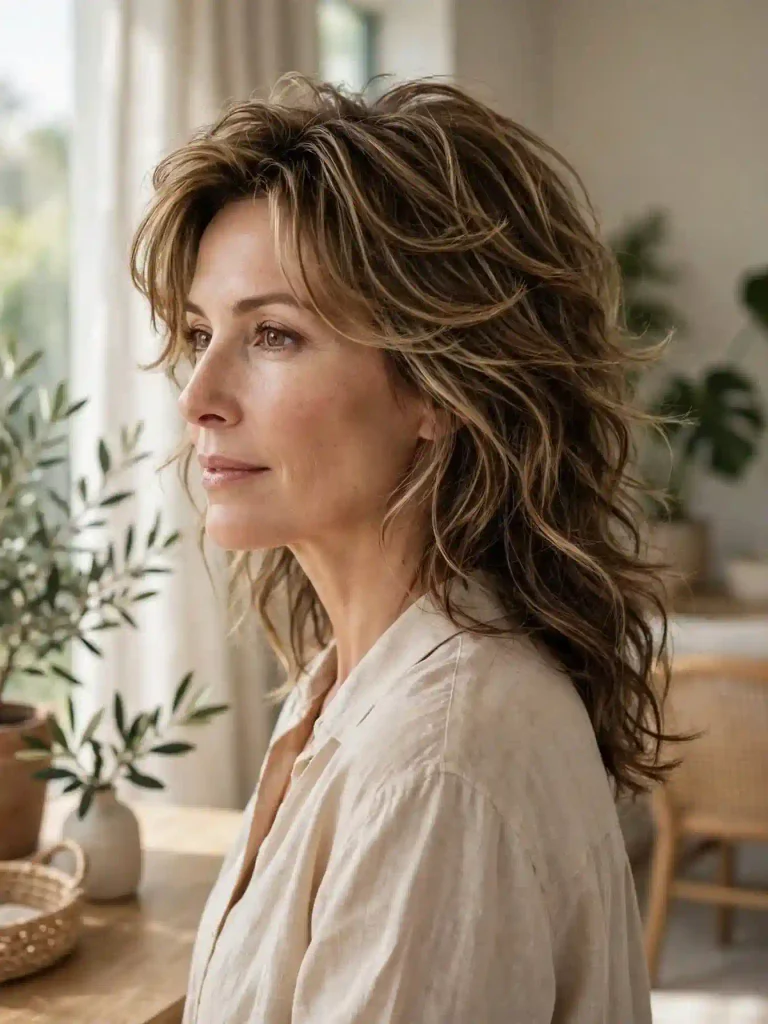
6. Pixie Mullet
The pixie mullet combines the short shape of a pixie with longer, textured pieces at the back. It creates a bold silhouette while keeping the overall haircut lightweight. You can leave the top piecey and tousled for a modern finish.
Choose this style if you love short hair but still want movement around the neckline. It also gives you plenty of room to experiment with texture and styling. A little pomade can create a cool piece-by-piece finish in seconds.
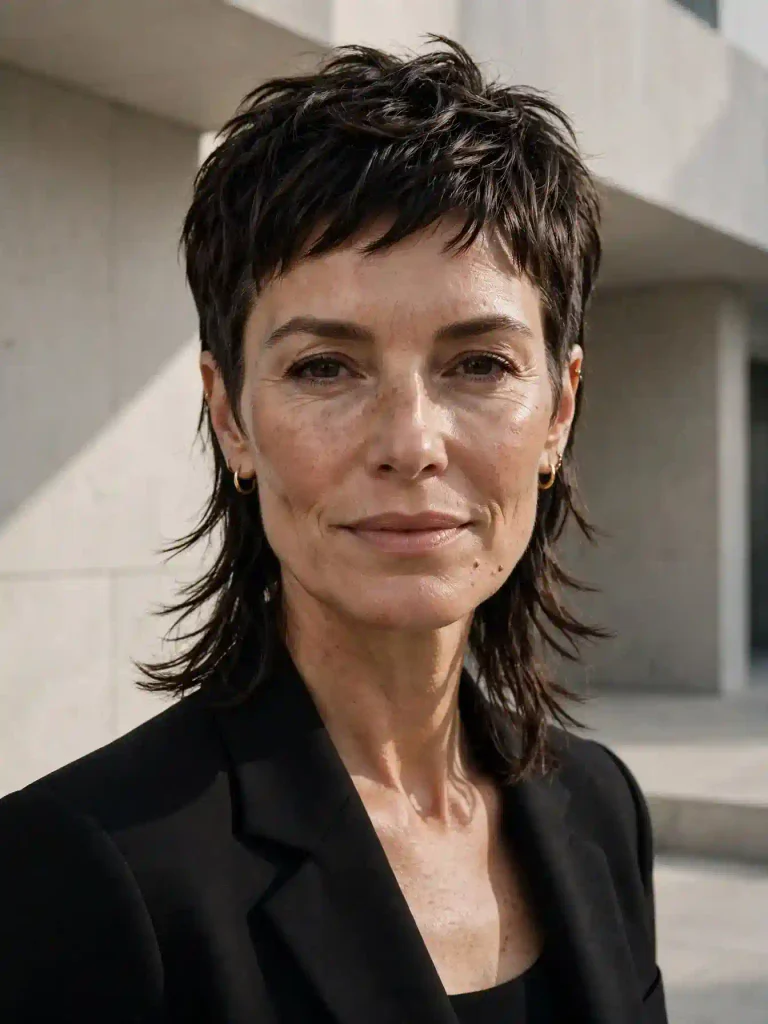
7. Long Mullet
You don’t need to chop everything short to try a mullet. A long mullet haircut keeps more length through the back while adding shorter, layered sections around the crown and face. The result feels dramatic without sacrificing your longer hair.
This version works beautifully if you feel nervous about losing length. Ask for gradual layers instead of a sharp transition. You’ll get the attitude of a mullet while keeping plenty of styling options.
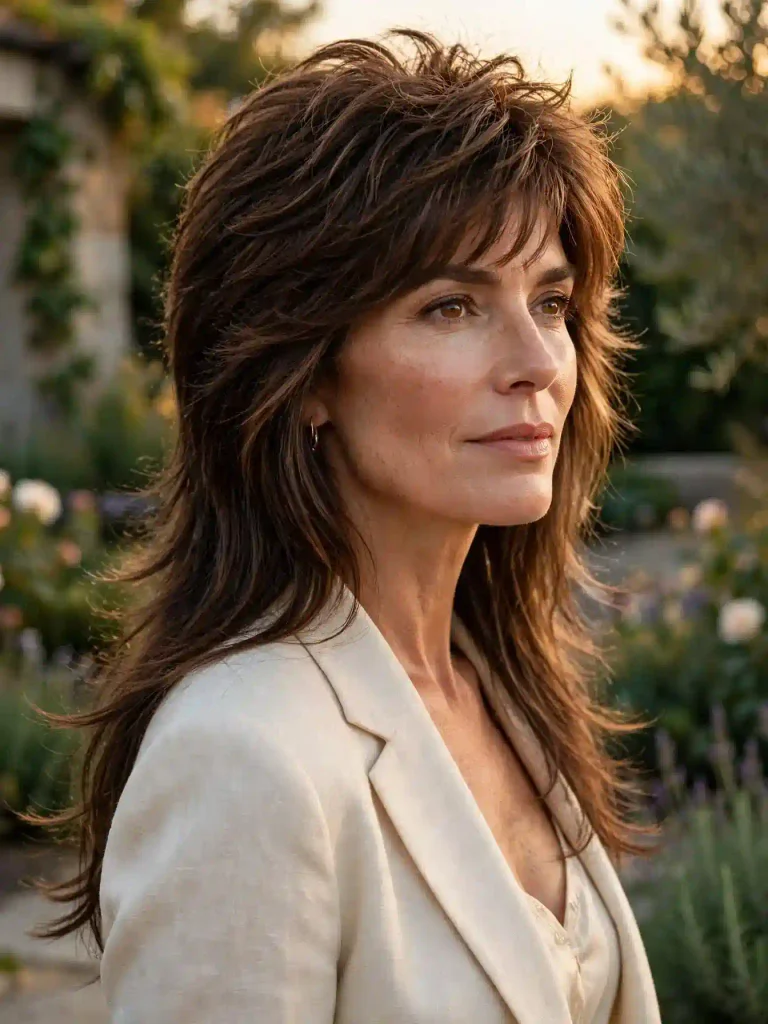
8. Mullet With Curtain Bangs
Curtain bangs soften the edgy shape of a mullet and frame the face beautifully. The bangs part naturally near the center while the layers blend into the rest of the haircut. This combination creates a relaxed, slightly retro appearance.
You can style the bangs with a round brush or simply let them fall naturally. The face-framing layers also help the haircut feel more balanced. Ever wondered why curtain bangs work with almost everything? They know how to make a haircut look intentional.
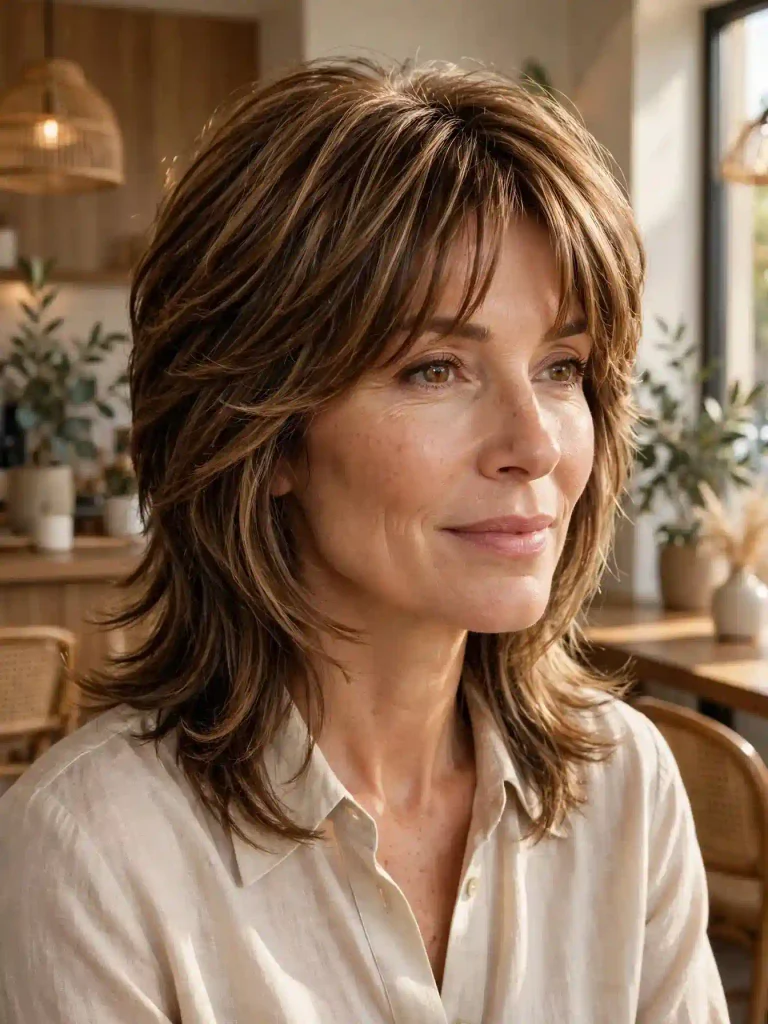
9. Mullet With Micro Bangs
For a stronger fashion-forward look, pair a mullet with micro bangs. Short bangs create a striking contrast against the longer textured layers behind them. This style definitely makes a statement, so confidence matters more than perfection.
Keep the rest of the haircut slightly messy to avoid making the bangs feel too severe. You can also add subtle texture throughout the crown for extra movement. FYI, this one definitely belongs in the “people will ask about your haircut” category.
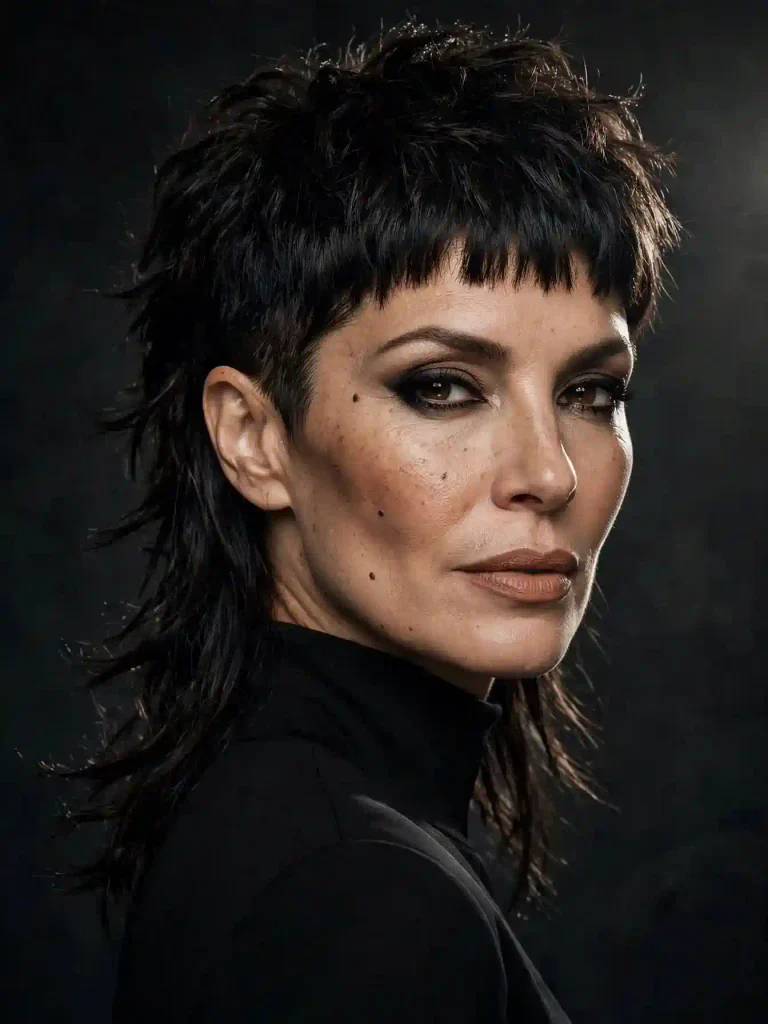
10. Layered Blonde Mullet
Blonde hair can make a layered mullet look especially light and textured. Choose warm honey, creamy blonde, dimensional beige, or cooler tones depending on your complexion and personal style. Highlights can emphasize the different layers and make the shape pop.
Keep the color dimensional rather than completely flat if you want more visual depth. The combination of blonde hair and choppy layers creates a fresh editorial feel. A little texture spray can bring those layers forward beautifully.
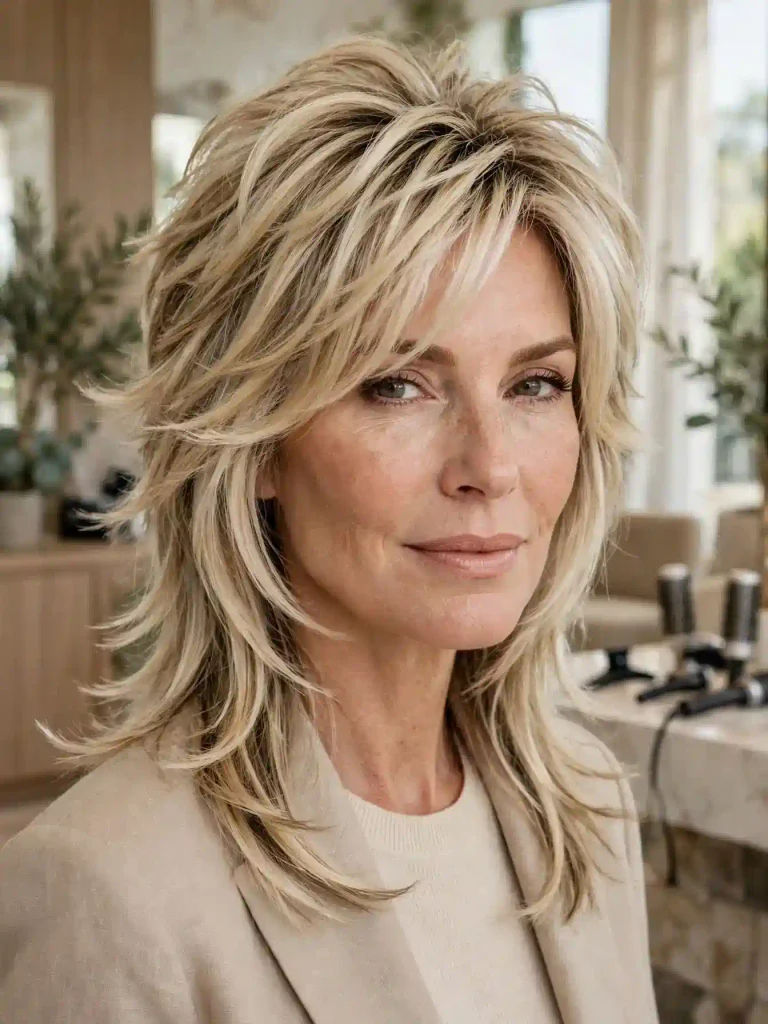
11. Brunette Mullet
A brunette mullet creates a richer, slightly moodier interpretation of the trend. Deep chocolate, espresso, or warm chestnut tones can make the layered shape look sophisticated and dimensional. The darker color also emphasizes the texture without requiring dramatic highlights.
This style works particularly well when you want an edgy haircut that still feels polished. Keep the ends textured but avoid excessive thinning if your hair already feels fine. Good structure makes the haircut look intentional rather than simply messy.
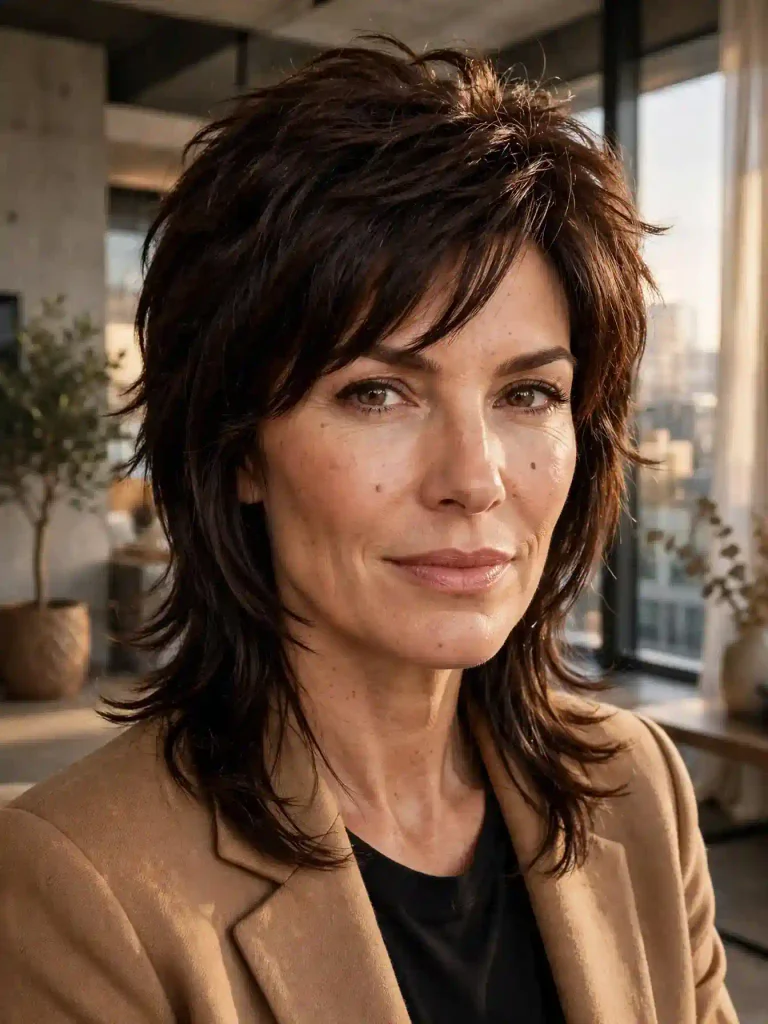
12. Mullet With Face-Framing Layers
Face-framing layers can make a mullet feel softer and more flattering. Shorter pieces begin around the cheekbones or jaw and gradually connect with the longer layers. This approach creates movement around the face while keeping the haircut visually balanced.
Ask your stylist to tailor the face-framing pieces to your features. You can keep them subtle for an everyday look or make them more dramatic for a stronger style. The right placement can completely change how the haircut frames your face.
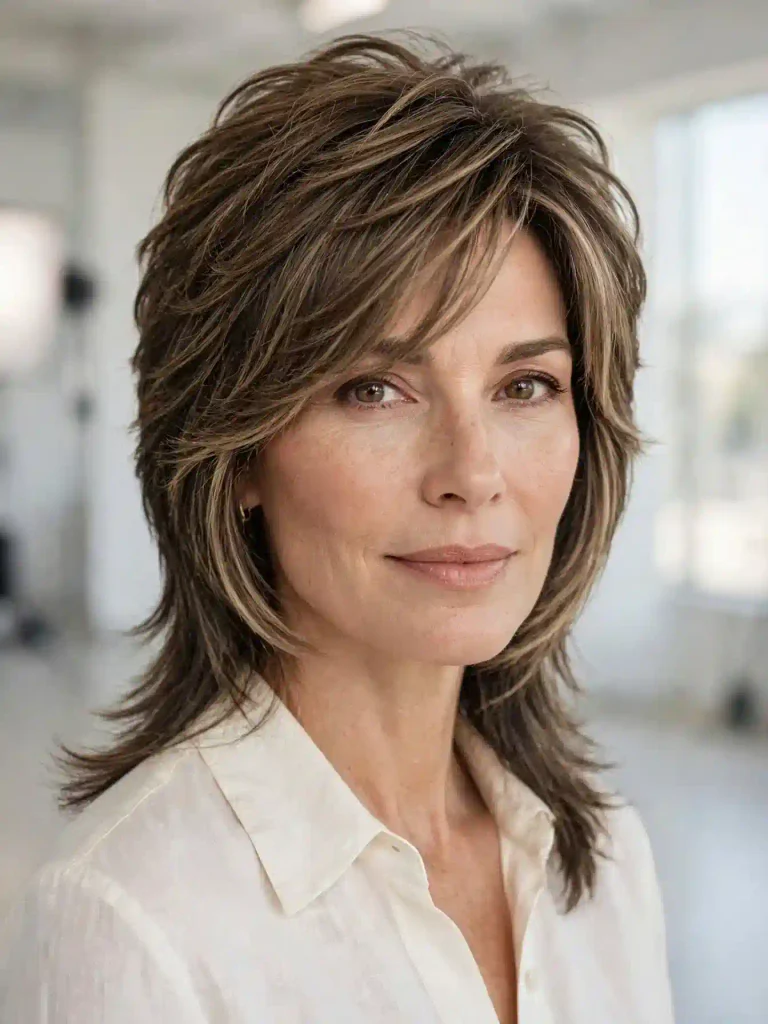
13. Choppy Mullet
If subtle isn’t your thing, go for a choppy mullet haircut. Uneven-looking layers create plenty of texture and give the style its unmistakable rebellious personality. You can wear it piecey, tousled, or slightly spiky depending on your mood.
This version looks fantastic with naturally textured hair, but straight hair can create an equally striking result. Use a small amount of styling paste to separate the ends. Just don’t overdo it unless you’re intentionally auditioning for a rock band.
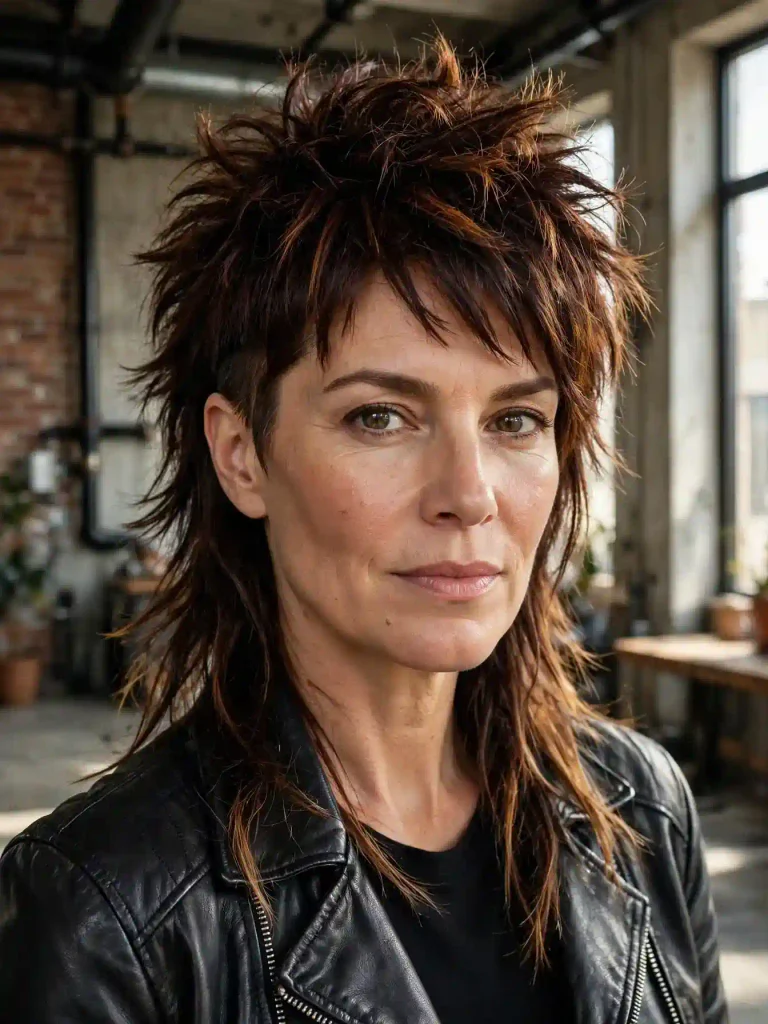
14. Mullet With Soft Feathered Layers
Feathered layers give the mullet a softer, more flowing shape. Instead of sharp choppy ends, the layers blend gently and create movement around the crown and neckline. This version feels especially wearable if you prefer classic hairstyles with a modern twist.
You can style the layers with a round brush for a polished finish or leave them slightly tousled. The haircut works well across several hair lengths. It also offers an easy way to try the trend without going extremely edgy.
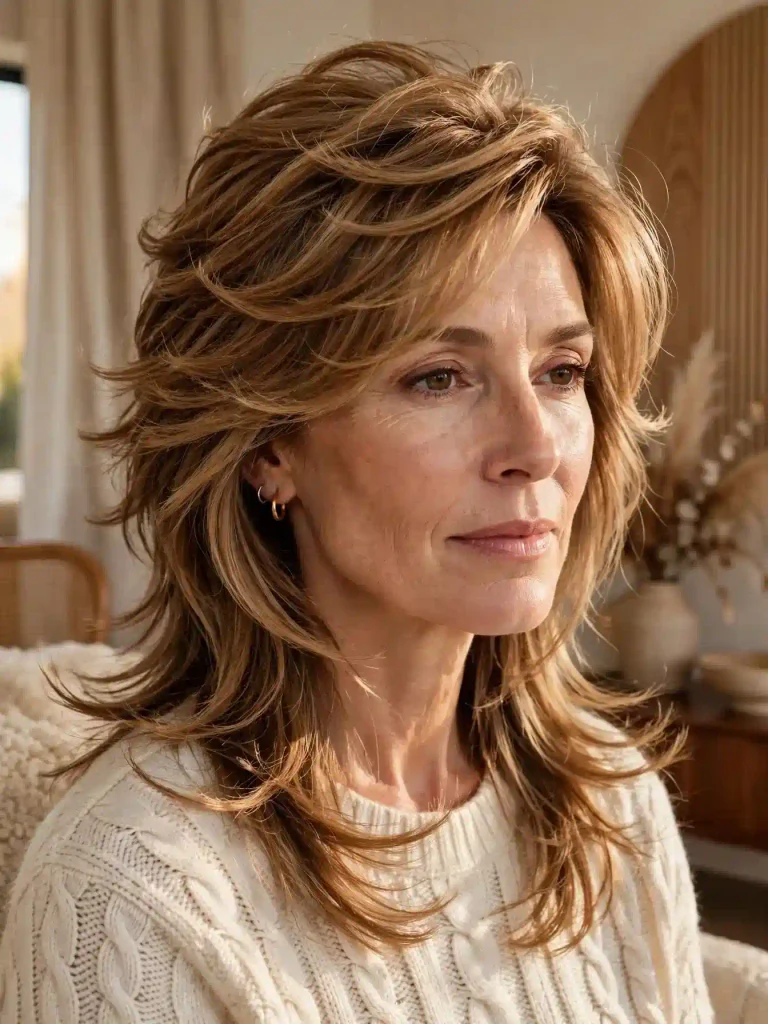
15. Short Textured Mullet
A short textured mullet keeps the haircut lightweight and full of movement. Shorter crown layers create volume while the back maintains enough length to preserve the mullet shape. Texture gives the style its modern personality.
This haircut can work beautifully for fine hair because strategic layers can create the appearance of fullness. Ask your stylist to avoid removing too much density from the ends. The goal involves movement, not making your hair disappear.
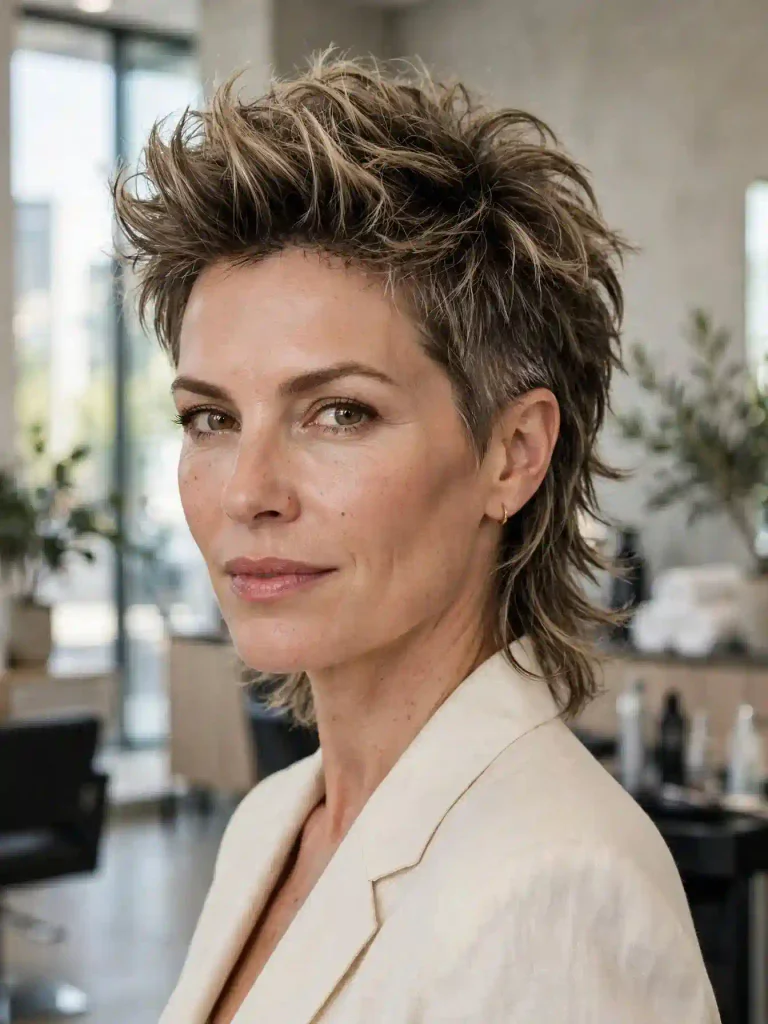
16. Mullet With Side-Swept Bangs
Side-swept bangs create a softer alternative to blunt or micro bangs. They add movement around the forehead while blending naturally into the layered sides. This makes the overall haircut feel feminine, relaxed, and slightly edgy.
You can sweep the bangs dramatically for a polished look or keep them loose and textured. This style also gives you more flexibility if you don’t want a center part. Sometimes one little change at the front completely transforms a haircut.
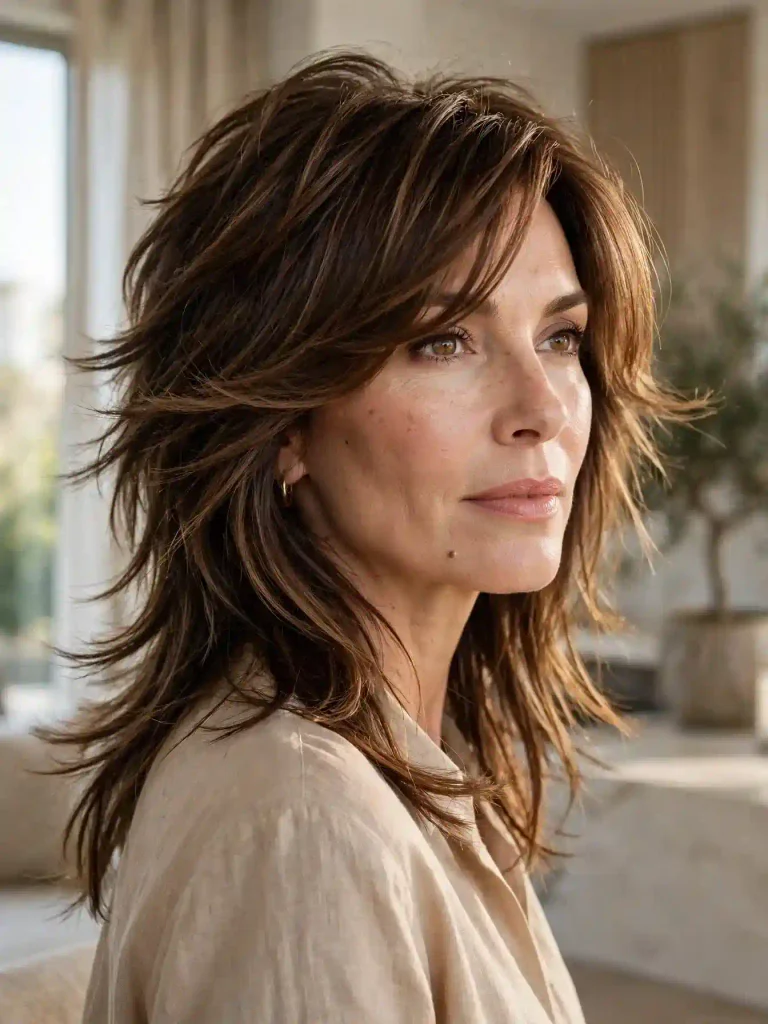
17. Platinum Textured Mullet
A platinum mullet takes the trend into bold editorial territory. The light color highlights every layer, making the textured shape look even more dramatic. Keep the cut slightly messy and piecey to balance the intensity of the color.
This combination works particularly well if you enjoy expressive fashion and statement hairstyles. However, platinum color requires more maintenance than a natural shade. If you love the look but hate salon appointments, choose a dimensional blonde instead.
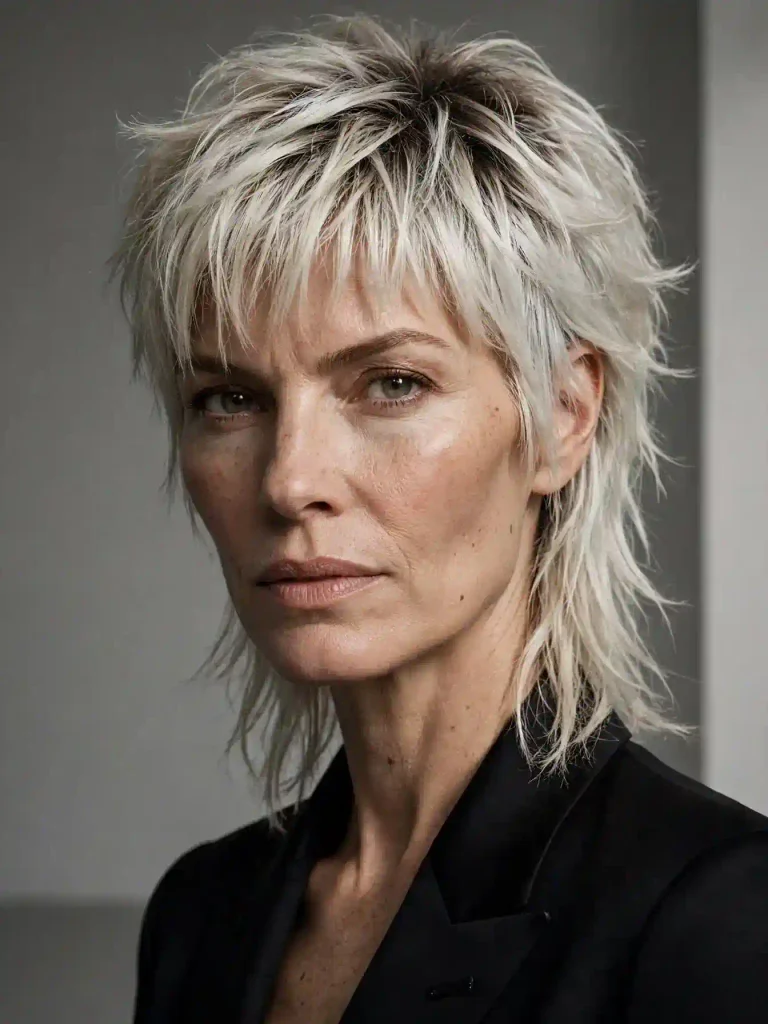
18. Mullet Bob
The mullet bob combines the clean structure of a bob with the layered attitude of a mullet. You’ll get a shorter overall shape with textured layers around the crown and a slightly elongated back. This option feels trendy without looking overly dramatic.
It works particularly well for people who want a shorter haircut but still crave movement. You can style it sleek, tousled, or softly waved. That flexibility makes the mullet bob one of the easiest versions to personalize.
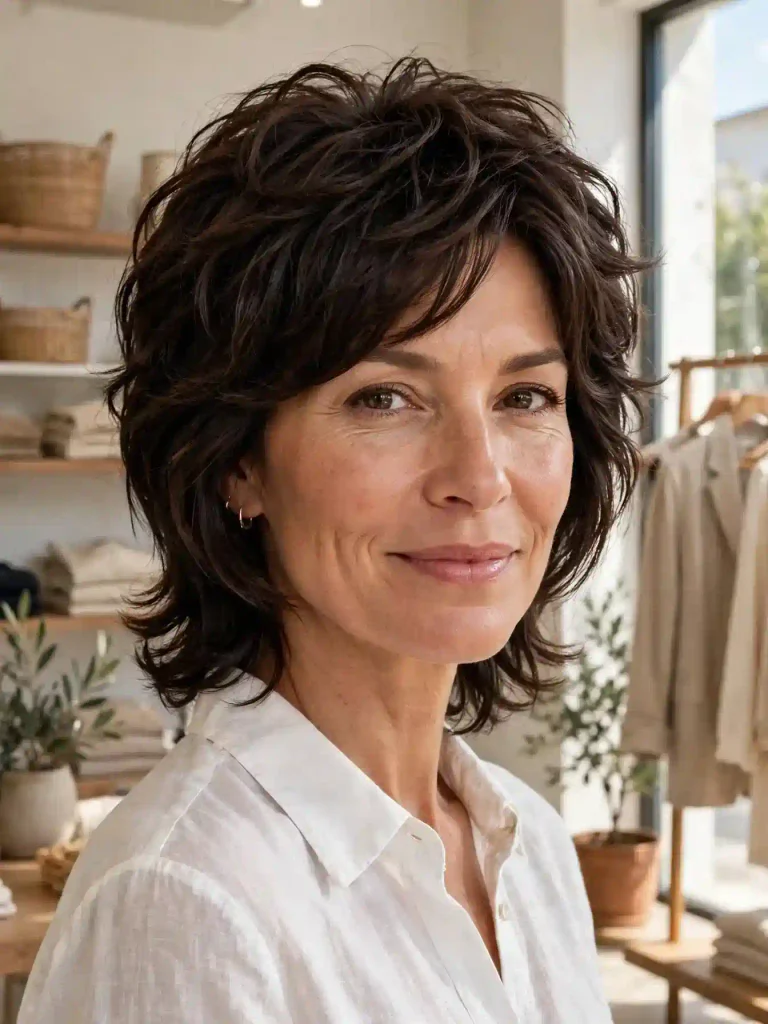
19. Textured Mullet for Fine Hair
Fine hair can absolutely wear a mullet. Strategic layering can create lift around the crown and make the hair appear fuller without piling on heavy products. Keep the layers purposeful and avoid excessive thinning through the ends.
A lightweight volumizing mousse can help create body without weighing everything down. Blow-dry the roots upward and use your fingers to separate the layers. The finished look should feel airy and textured rather than flat.
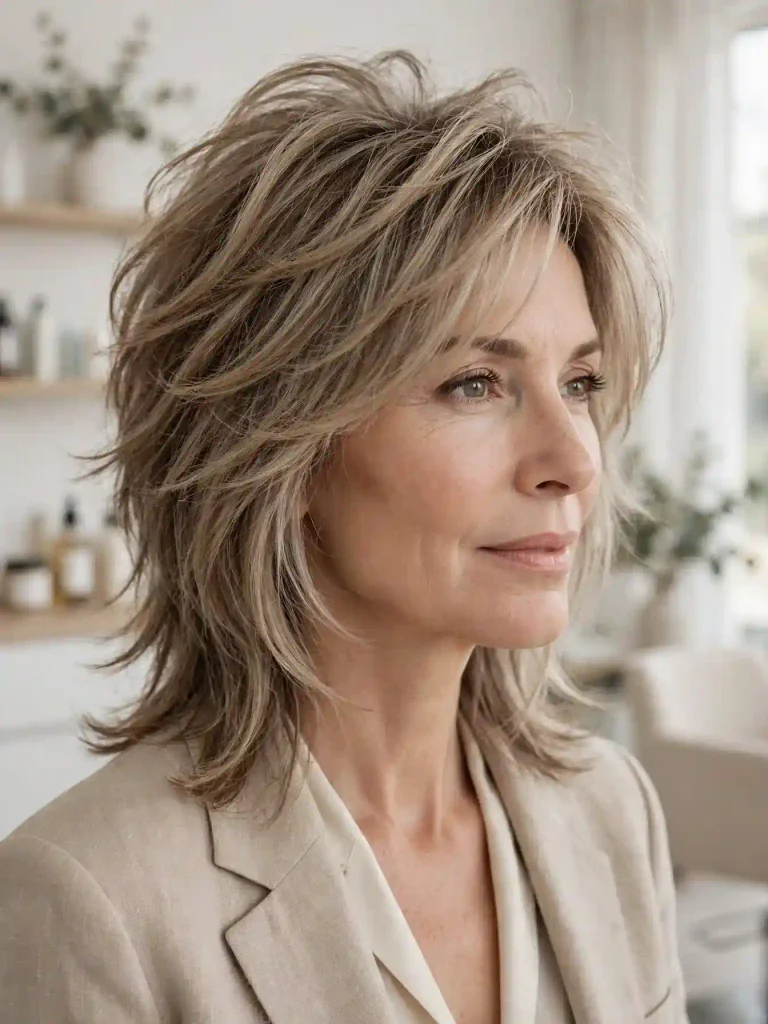
20. Elegant Modern Mullet
Not every mullet needs to look rebellious. An elegant modern mullet uses softer layers, controlled texture, and flattering face-framing pieces to create a sophisticated version of the trend. You can pair it with polished styling for a look that feels fashion-forward without going overboard.
This version works beautifully for anyone who wants something different but still refined. Keep the shape clean and ask your stylist for blended transitions. The result proves that a mullet can look chic, grown-up, and surprisingly elegant.
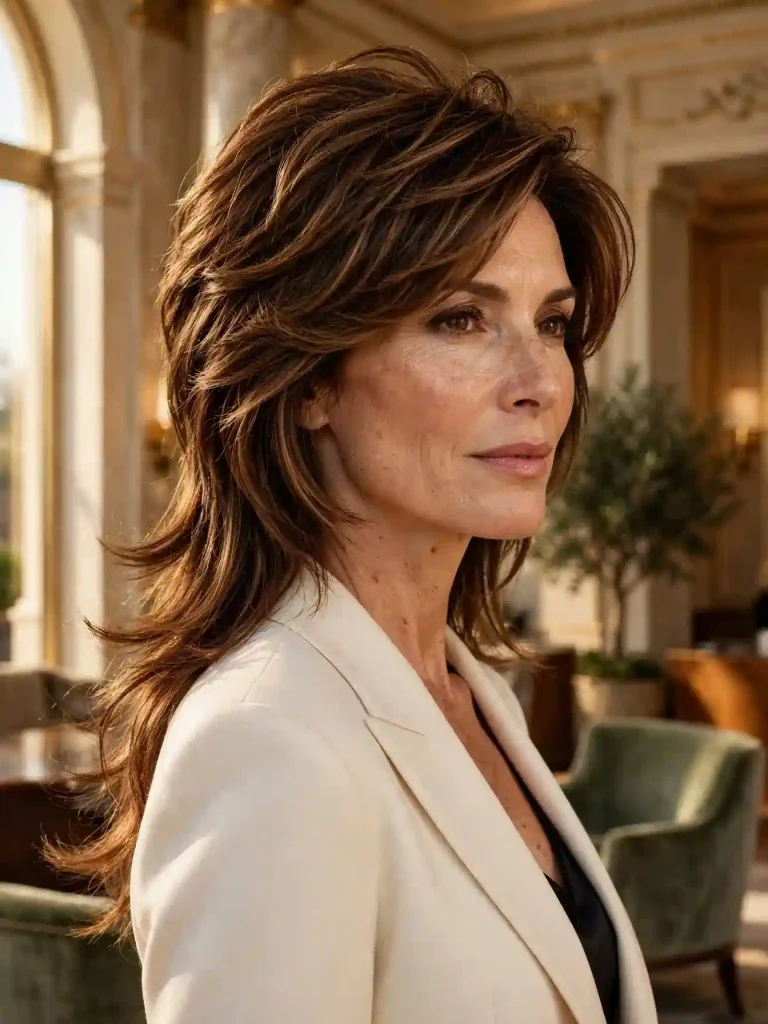
How to Choose the Right Mullet Hairstyle
The best mullet depends on your hair texture, length, density, and styling habits. Your ideal haircut should work with your natural hair rather than forcing you into a daily battle with a flat iron.
Before your appointment, consider:
- Hair texture: Straight, wavy, and curly hair create different results.
- Hair density: Fine hair benefits from strategic layering, while thick hair may need controlled weight removal.
- Maintenance: Shorter bangs and dramatic color usually require more upkeep.
- Styling time: Choose softer layers if you prefer a wash-and-go routine.
- Face framing: Ask your stylist to customize the front layers around your features.
Bring a few reference photos to your appointment. Your stylist can then adjust the length, layering, and texture to suit your hair instead of copying the exact haircut from someone with completely different hair.
How to Style a Modern Mullet
Most modern mullets look best with some texture and movement. Apply a lightweight mousse or styling cream to damp hair, then let your natural texture develop or use a diffuser. Finish with a tiny amount of texturizing product on the ends.
For a sleeker appearance, use a round brush to smooth the crown while keeping the ends slightly textured. You don’t need to make every strand behave perfectly. A little imperfection actually gives the modern mullet its personality.
Why Mullet Hairstyles Keep Coming Back
The mullet keeps evolving because stylists can customize it in countless ways. You can make it short, long, curly, soft, choppy, polished, or dramatically edgy. That versatility gives the haircut staying power beyond a single fashion cycle.
More importantly, modern versions feel much easier to wear than the extreme styles people remember from decades ago. Soft layers and personalized face framing allow the haircut to fit different ages, textures, and personal styles. That flexibility explains why the trend keeps finding new fans.
Final Thoughts
These 20 mullet hairstyles prove that the trend has plenty of room to evolve. From soft layered versions to bold choppy cuts, you can choose a style that matches your personality without copying anyone else’s look.
If you’ve been thinking about trying a mullet, start with the version that feels slightly outside your comfort zone—not completely outside it. A good stylist can adjust the layers and length until the haircut feels like you. And honestly, if a hairstyle can survive several decades and still make us curious, it probably deserves another moment in the spotlight.