15 Tiny Kitchen Ideas That Make Cooking Feel Easier
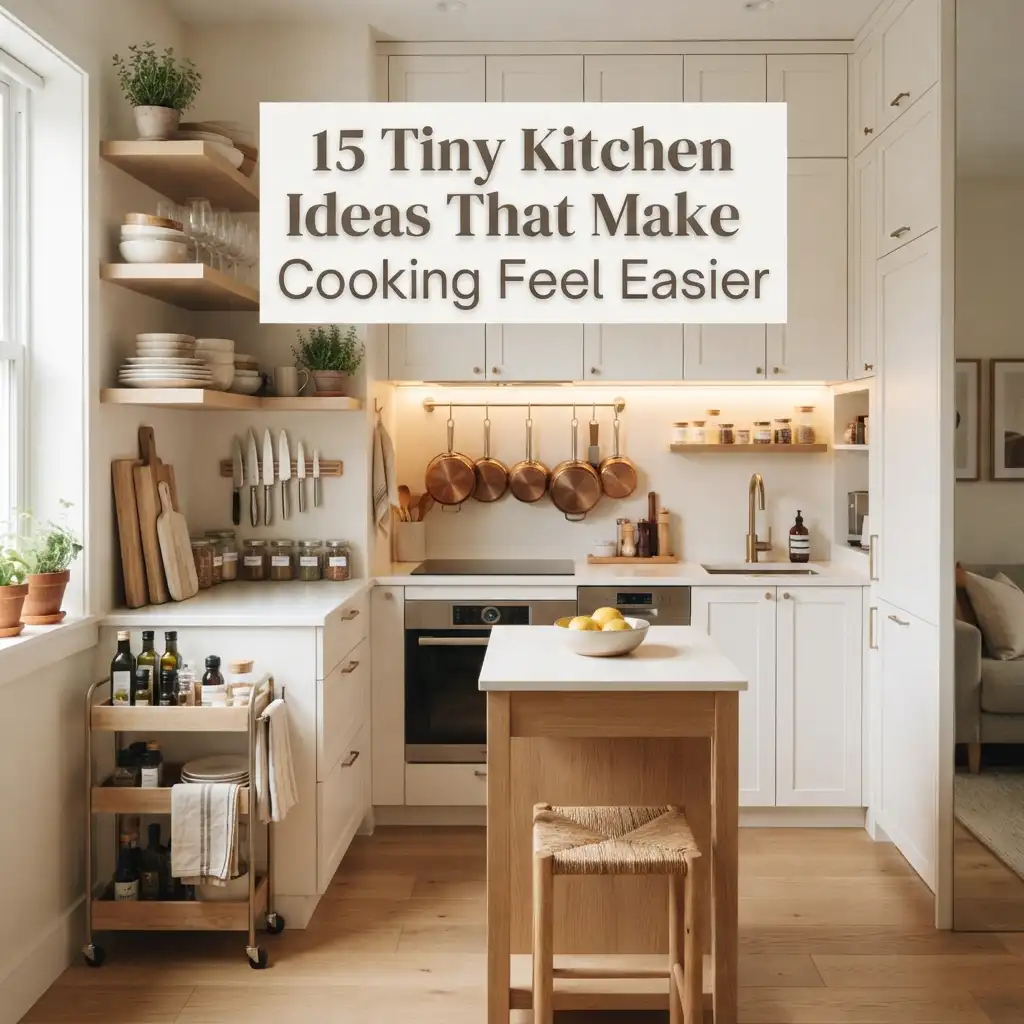
A tiny kitchen can make you question every life decision that led you to own three frying pans. But honestly, you don’t need a huge kitchen to cook comfortably. You just need to make every inch work a little harder.
If your counters disappear the second you start chopping vegetables, you’re in the right place. These tiny kitchen ideas focus on maximum storage, smart organization, and practical layouts that make everyday cooking feel much less cramped.
1. Install Cabinets All the Way Up
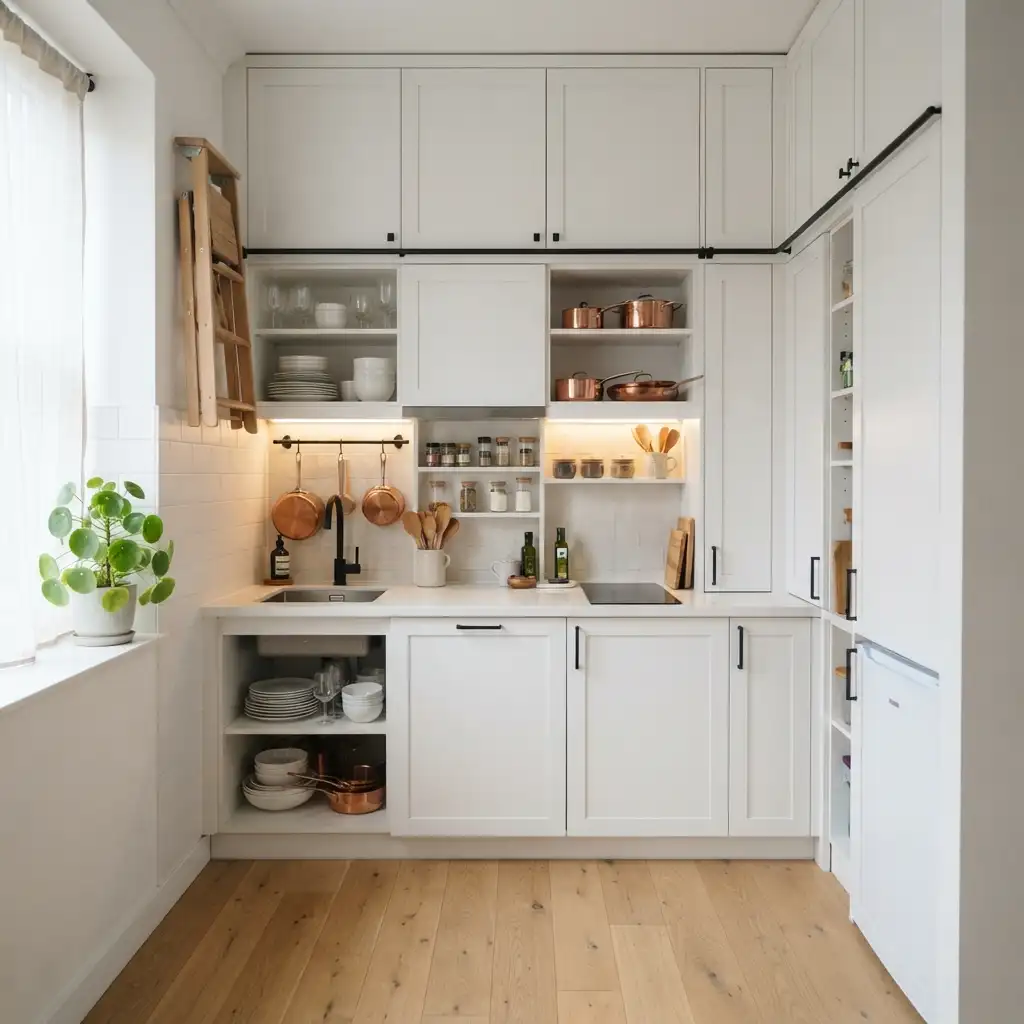
When floor space feels precious, look up. Tall kitchen cabinets can turn unused vertical space into valuable storage for cookware, serving dishes, pantry items, and appliances you don’t use every day.
Keep your everyday dishes and cooking essentials within easy reach. Store seasonal items, specialty appliances, and backup supplies on the highest shelves. FYI, a small step stool can become your best friend here.
2. Add a Slim Rolling Cart
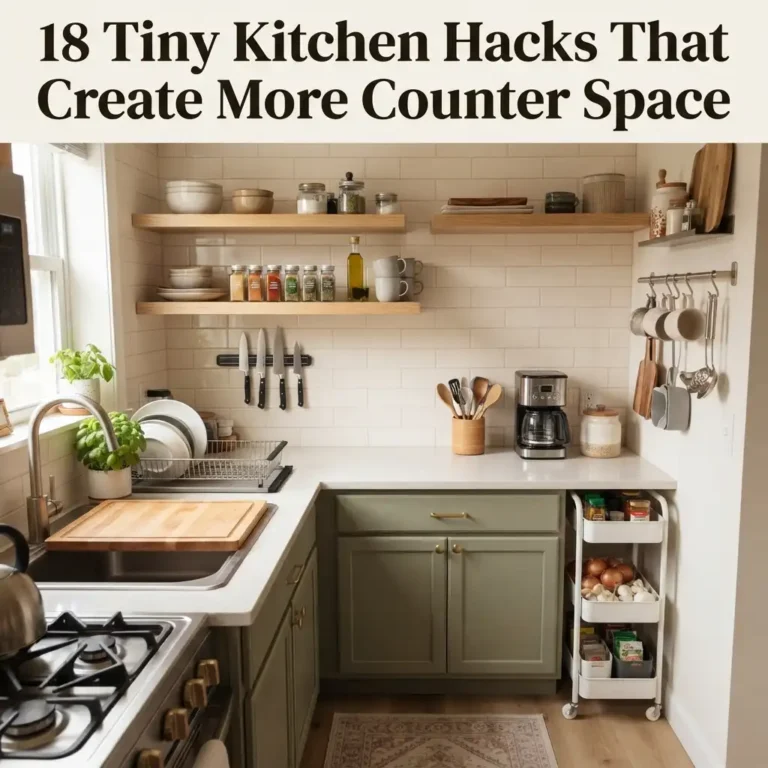
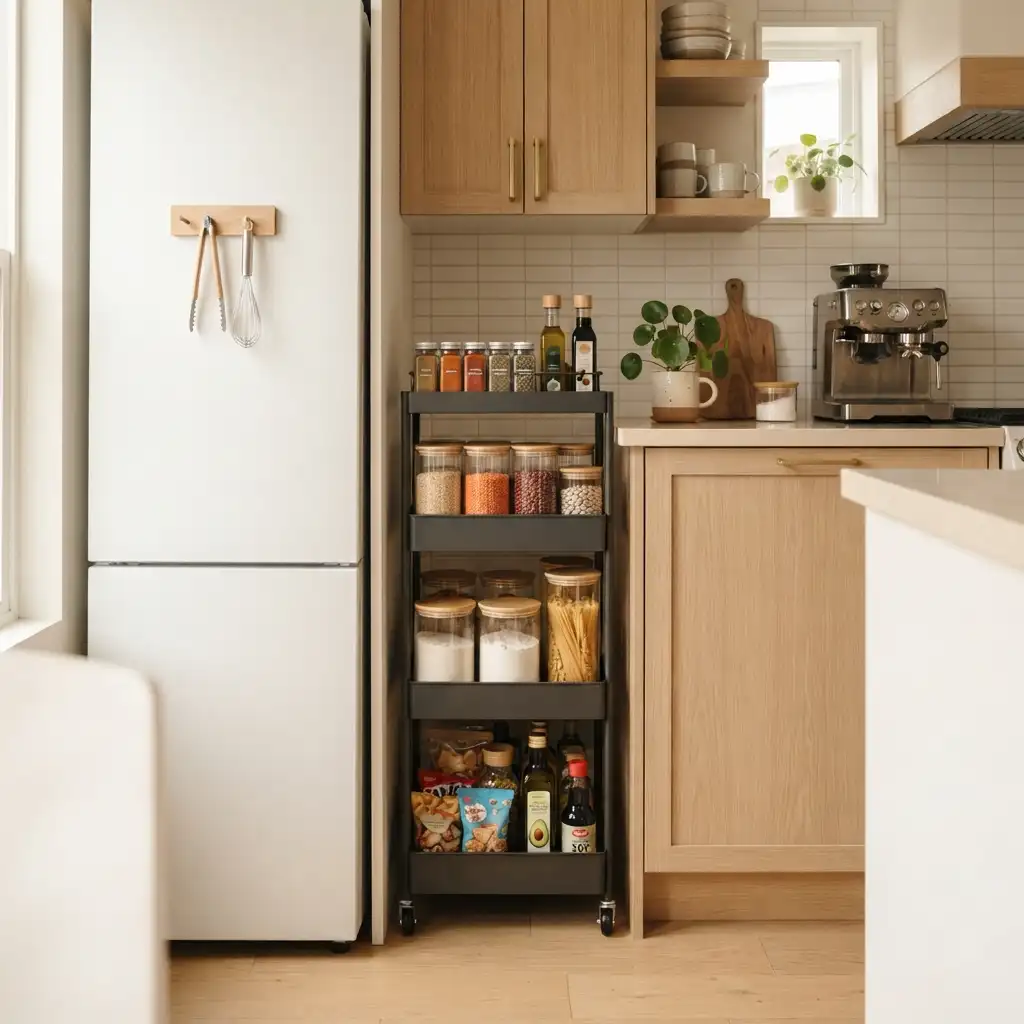
A narrow rolling cart can squeeze into surprisingly awkward spaces. Place one beside the refrigerator, between cabinets, or along an empty wall and use it as a mini pantry.
I especially like this idea for renters because you can move the cart whenever you need extra prep space. Use the shelves for spices, oils, canned goods, cutting boards, or even small appliances.
Look for a cart that matches the narrowest available gap. Even a few inches of unused space can hold more than you’d expect.
3. Use the Inside of Cabinet Doors
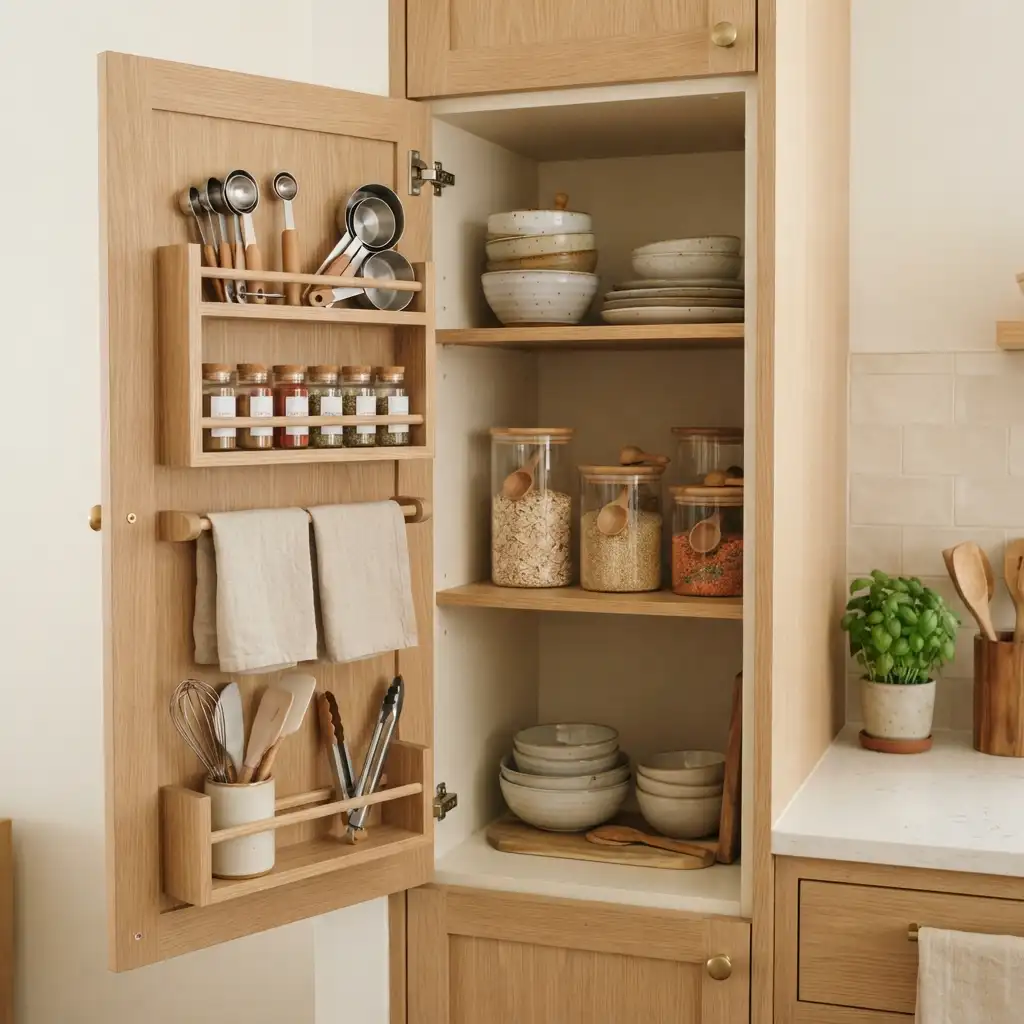
Why let cabinet doors sit there doing absolutely nothing? Add slim racks, hooks, or organizers to the inside of cabinet doors and create hidden storage instantly.
You can use these spots for:
- Measuring spoons
- Pot lids
- Cutting boards
- Spices
- Cleaning supplies
- Kitchen towels
Just avoid overloading the doors. Heavy organizers can strain hinges, especially on older cabinets.
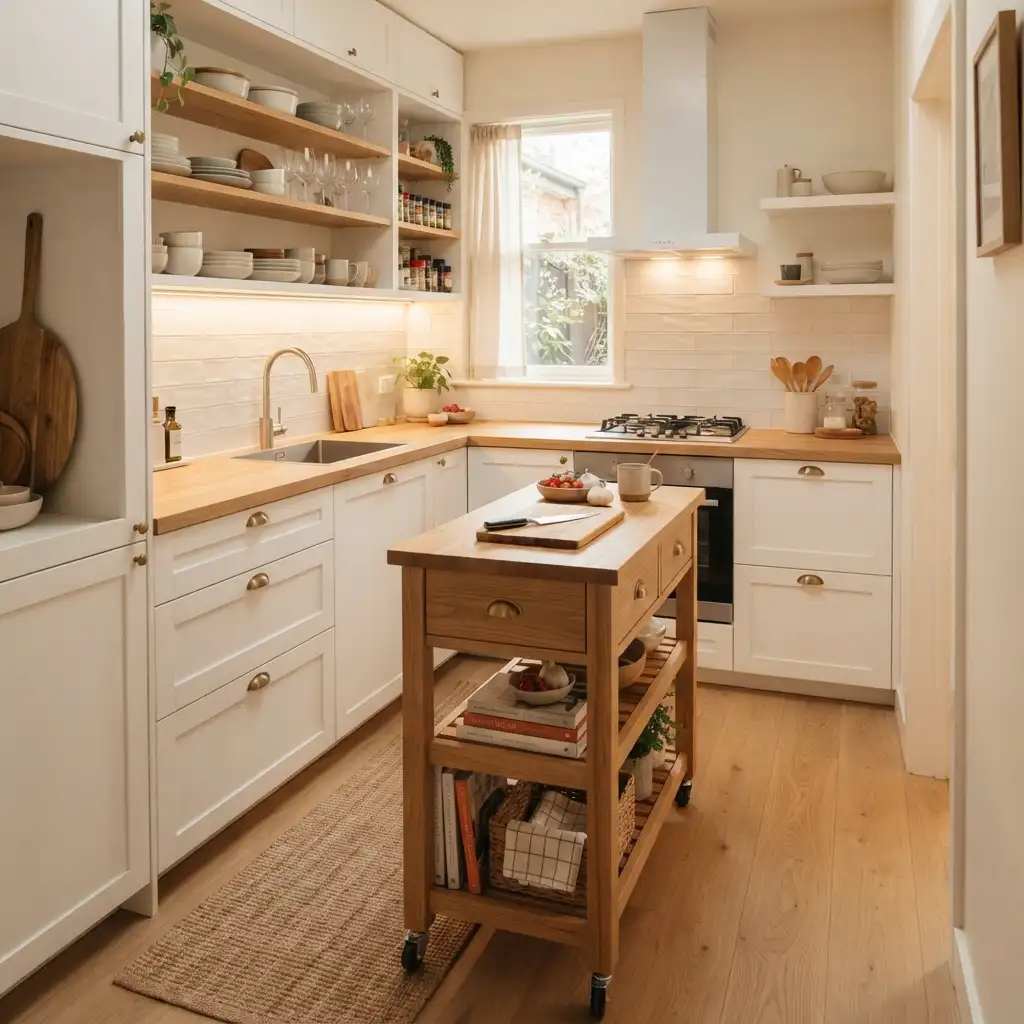
4. Choose a Compact Kitchen Island
A traditional island might overwhelm a tiny kitchen, but a small movable island can give you extra counter space without permanently eating up your floor area.
Choose a narrow design with drawers or shelves underneath. You’ll get both workspace and storage in one piece of furniture.
Want even more flexibility? Pick a model with wheels. You can move it against the wall when you need more walking space.
5. Hang Pots and Pans on the Wall
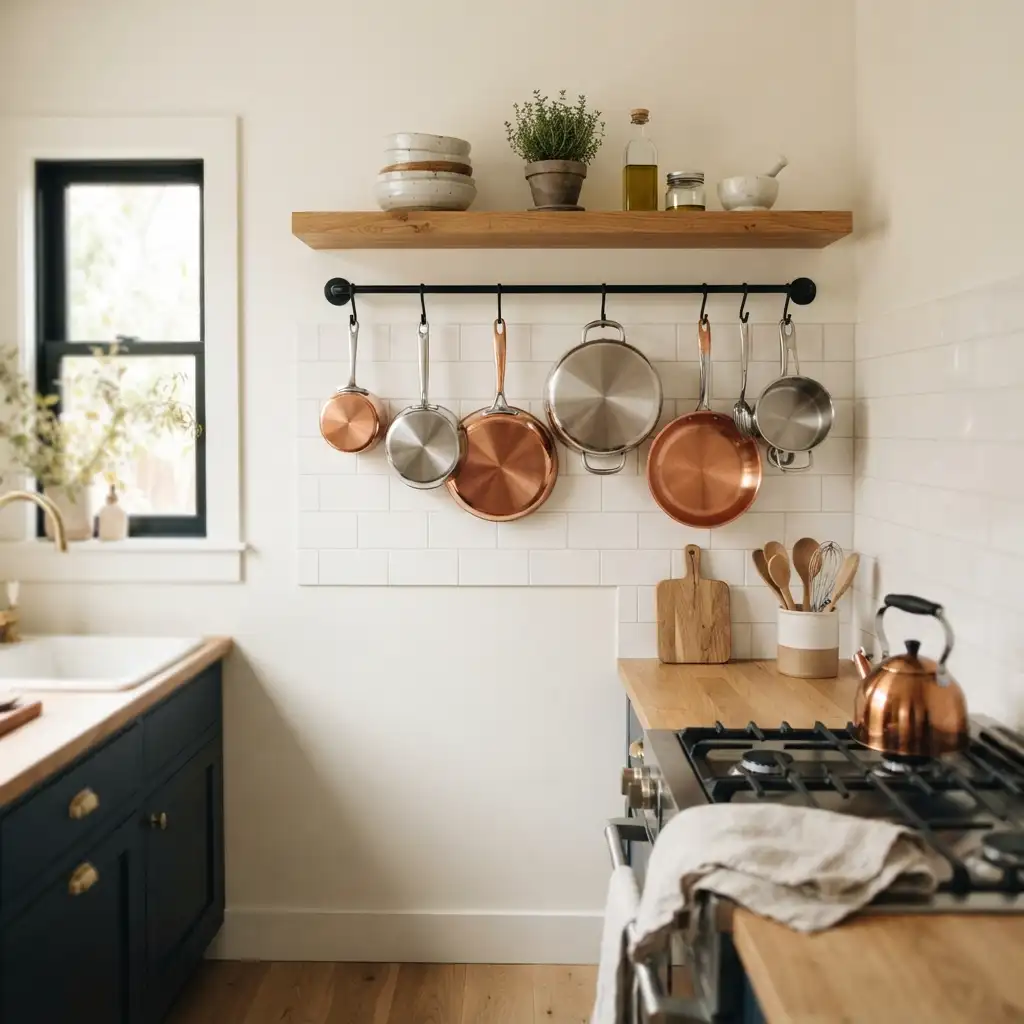
Cabinet space disappears quickly when you store bulky cookware inside it. Instead, install a sturdy rail or pegboard and hang your most-used pots and pans where you can grab them easily.
This setup works especially well above a prep area or along an empty wall. Vertical storage keeps cookware accessible while freeing your cabinets for smaller items.
Of course, don’t turn the wall into a cookware museum. Keep only the pieces you actually use.
6. Install a Magnetic Spice Rack
Spice jars love to create chaos in tiny kitchens. You organize them once, reach for paprika twice, and suddenly every jar has migrated to the front of the cabinet.
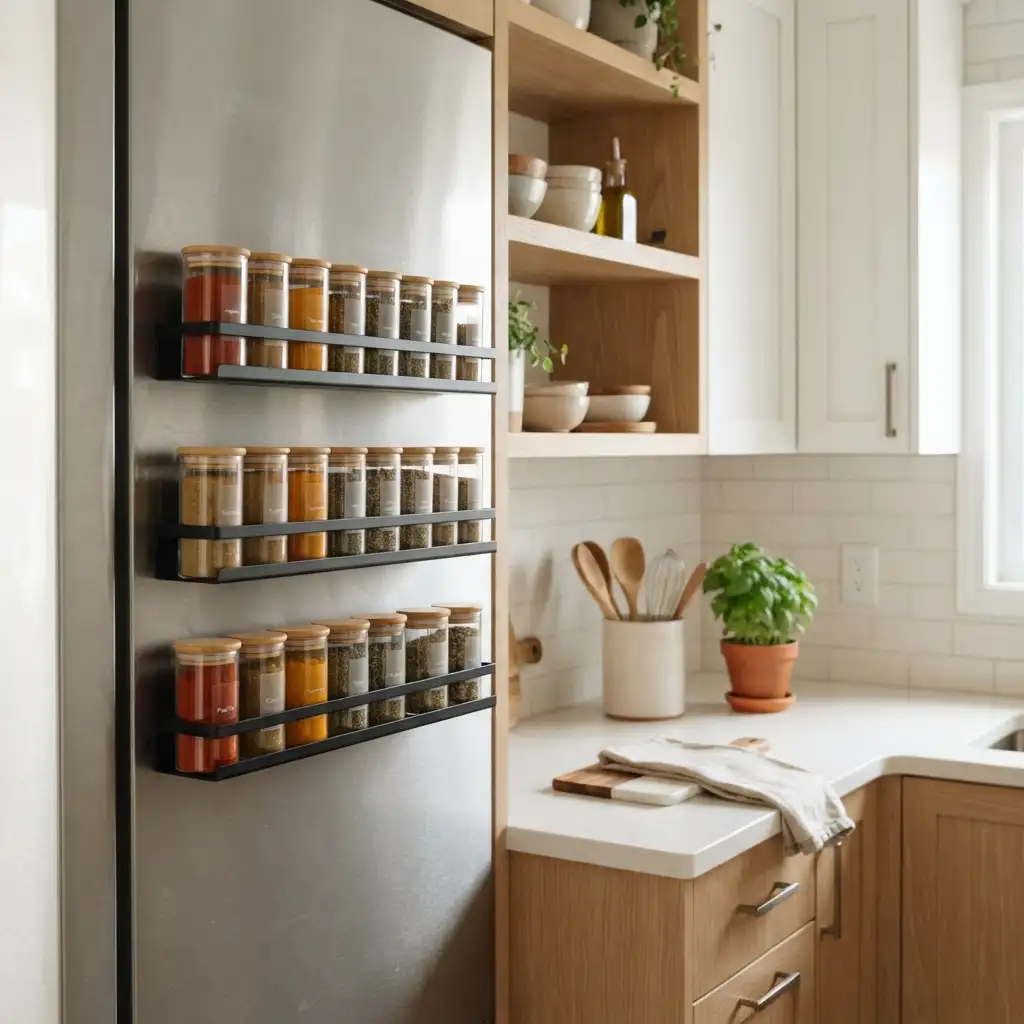
A magnetic spice system can solve that problem. Attach magnetic containers to your refrigerator or a metal wall panel and keep your favorite spices visible.
You’ll save cabinet space and spend less time hunting for cinnamon that somehow ended up behind the oregano.
7. Add Pull-Out Pantry Shelves
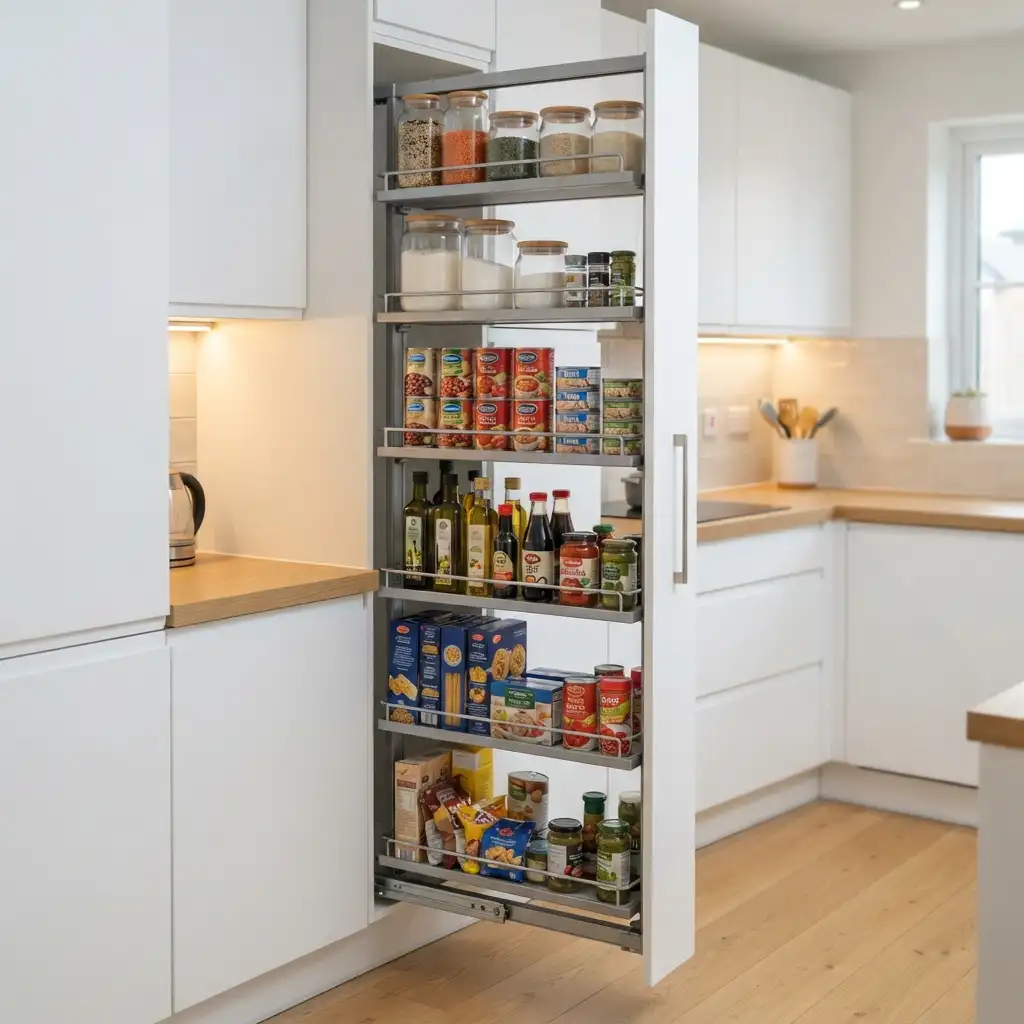
Deep cabinets often waste space because you can’t easily reach the items hiding in the back. Pull-out shelves solve that problem by bringing everything toward you.
Use them for:
- Canned foods
- Pasta
- Sauces
- Baking ingredients
- Snacks
- Cooking oils
Pull-out storage makes a tiny kitchen feel more organized because you can actually see what you own. That alone can help prevent buying your fifth bottle of soy sauce.
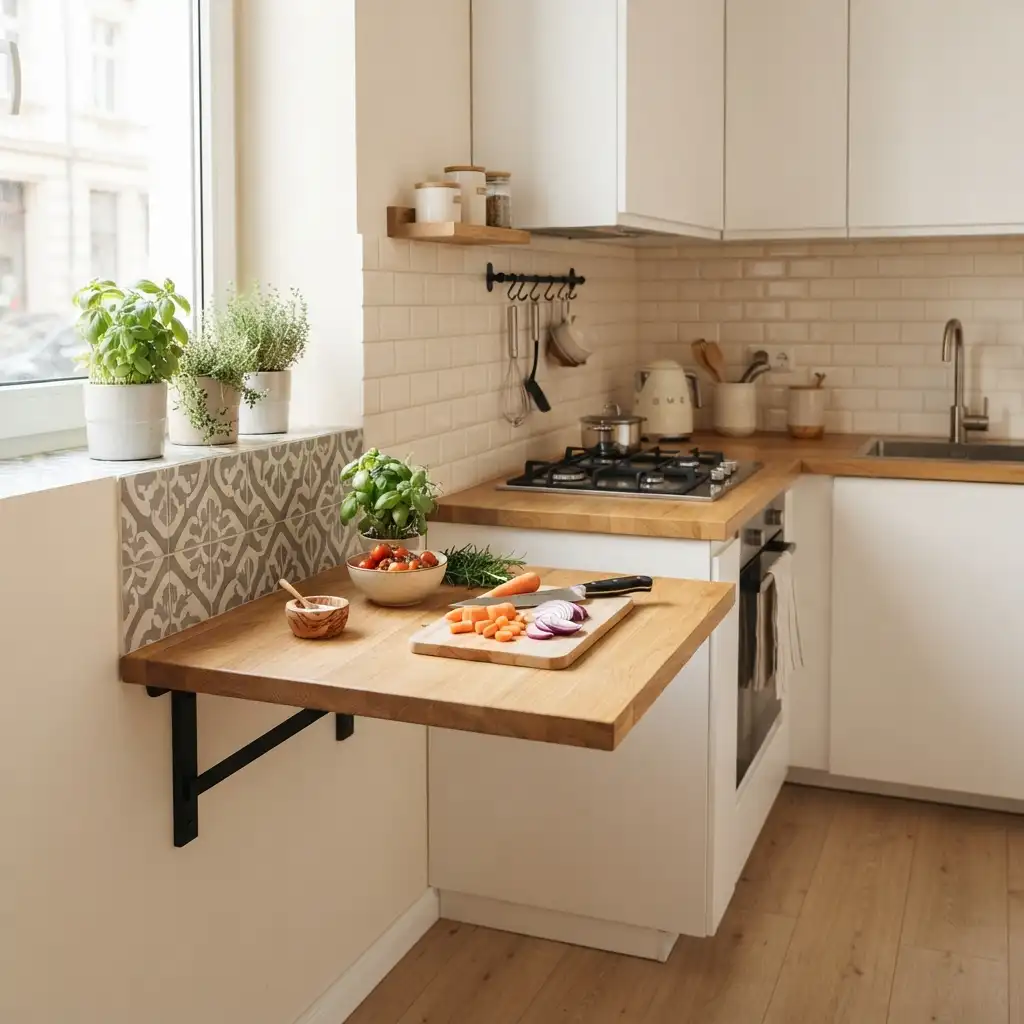
8. Use a Fold-Down Counter
Need more prep space but don’t have room for a permanent countertop extension? Try a fold-down wall-mounted table.
Keep it folded against the wall when you don’t need it. Open it during meal prep for chopping vegetables, assembling ingredients, or setting down hot cookware.
Choose a sturdy surface and secure the hardware properly. You want extra workspace, not an unexpected kitchen renovation.
9. Store Cutting Boards Vertically
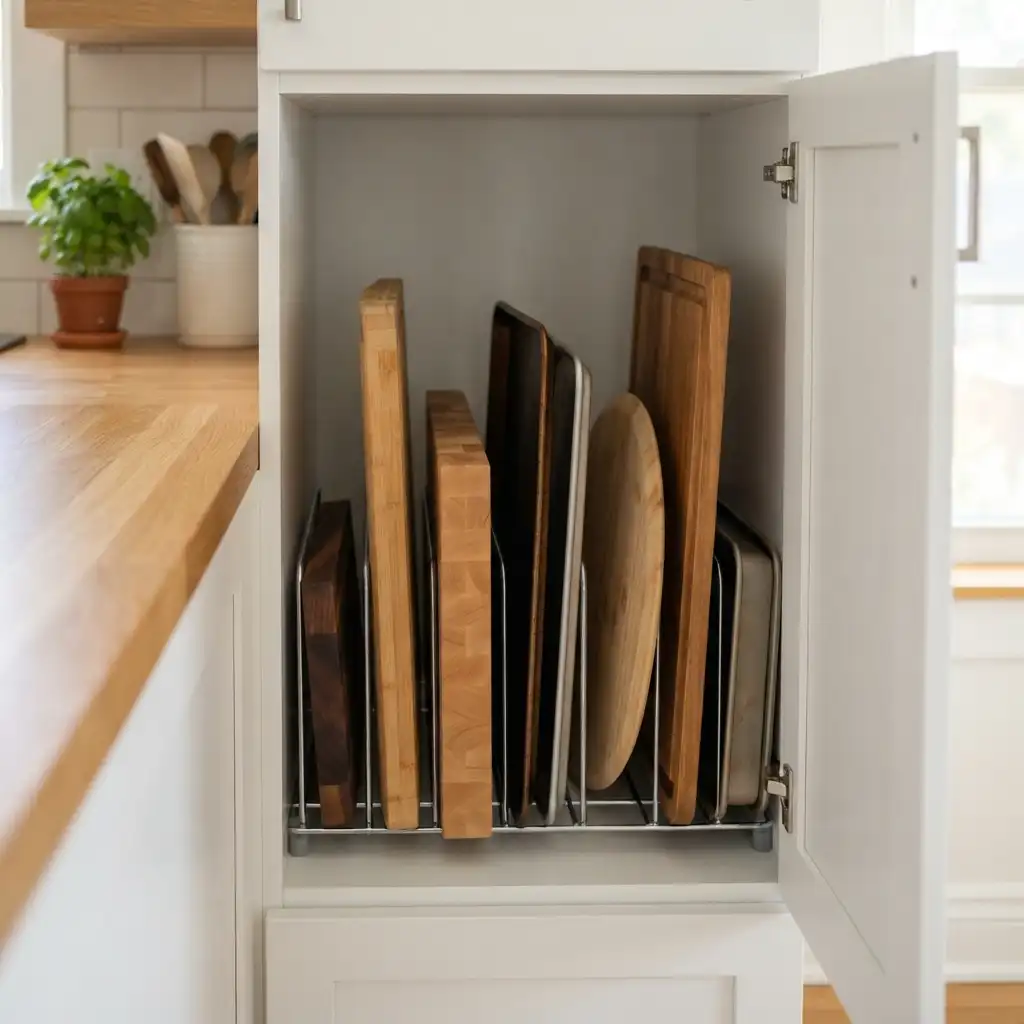
Flat stacks of cutting boards can take up more space than you realize. Instead, store them vertically inside a cabinet, beside your refrigerator, or in a slim countertop organizer.
Vertical dividers can also hold baking sheets, trays, and serving boards. This simple switch makes narrow cabinets much easier to use.
Plus, you won’t have to pull out six boards just to reach the one you actually want.
10. Make Use of the Refrigerator Side
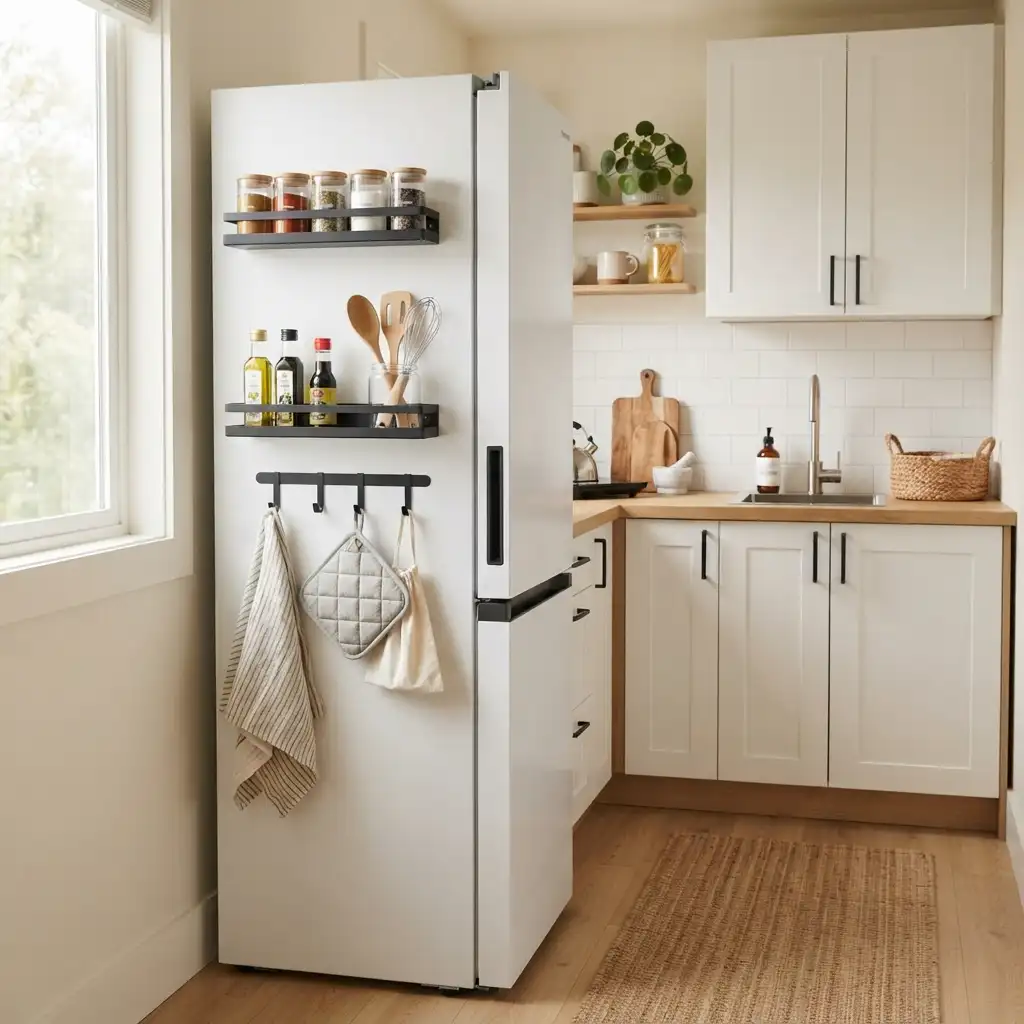
The side of your refrigerator can provide excellent storage if you have a little clearance. Add magnetic shelves, hooks, or a slim storage rack for lightweight kitchen essentials.
Use this area for:
- Spices
- Kitchen towels
- Cooking utensils
- Shopping lists
- Small containers
- Frequently used bottles
If your refrigerator sits between cabinets, check the available clearance before buying anything. A clever storage solution only works when the refrigerator door can still open properly.
11. Choose Multi-Purpose Kitchen Tools
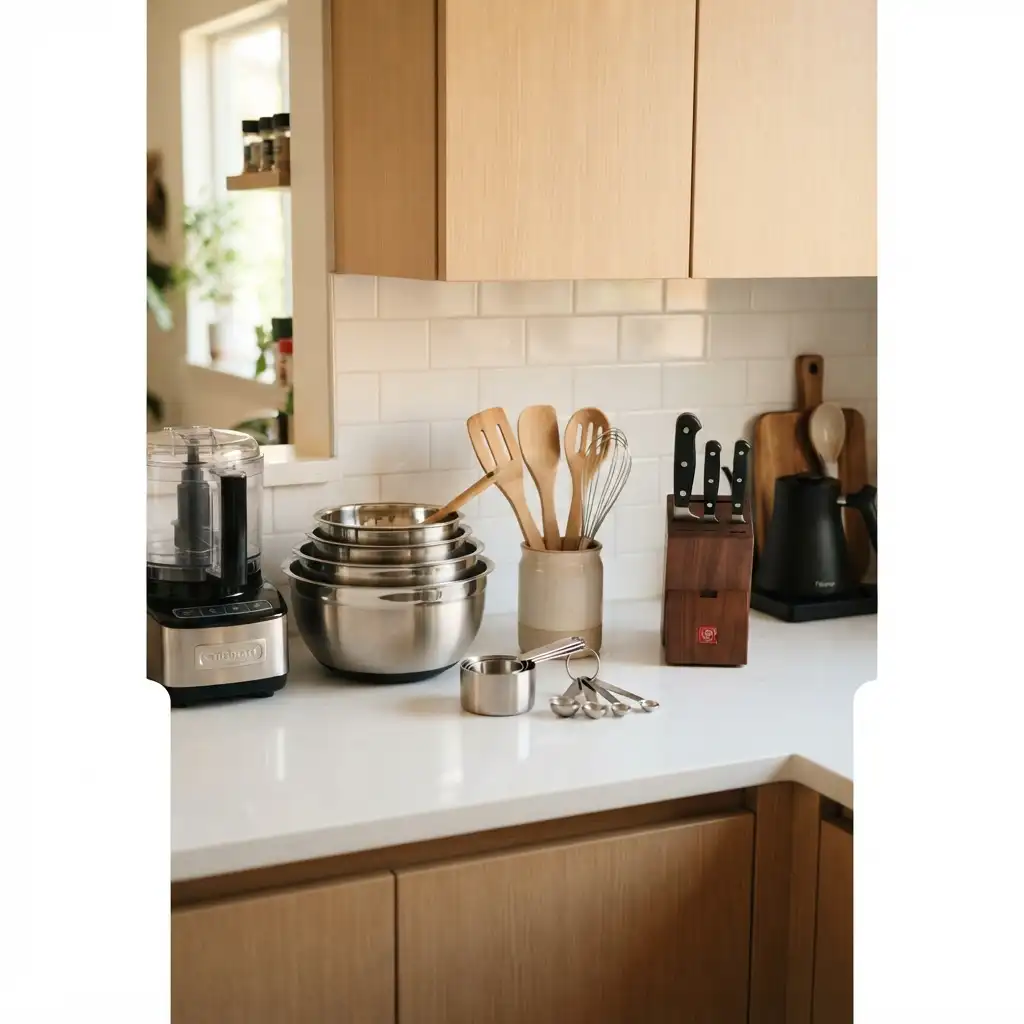
Tiny kitchens don’t have much patience for single-purpose gadgets. If one tool can handle several jobs, give it serious consideration.
A multi-functional appliance or utensil can replace several bulky items and free up valuable cabinet space.
For example, you might choose a food processor that handles chopping, slicing, and mixing instead of storing three separate gadgets. IMO, fewer appliances also mean fewer things staring at you from the counter.
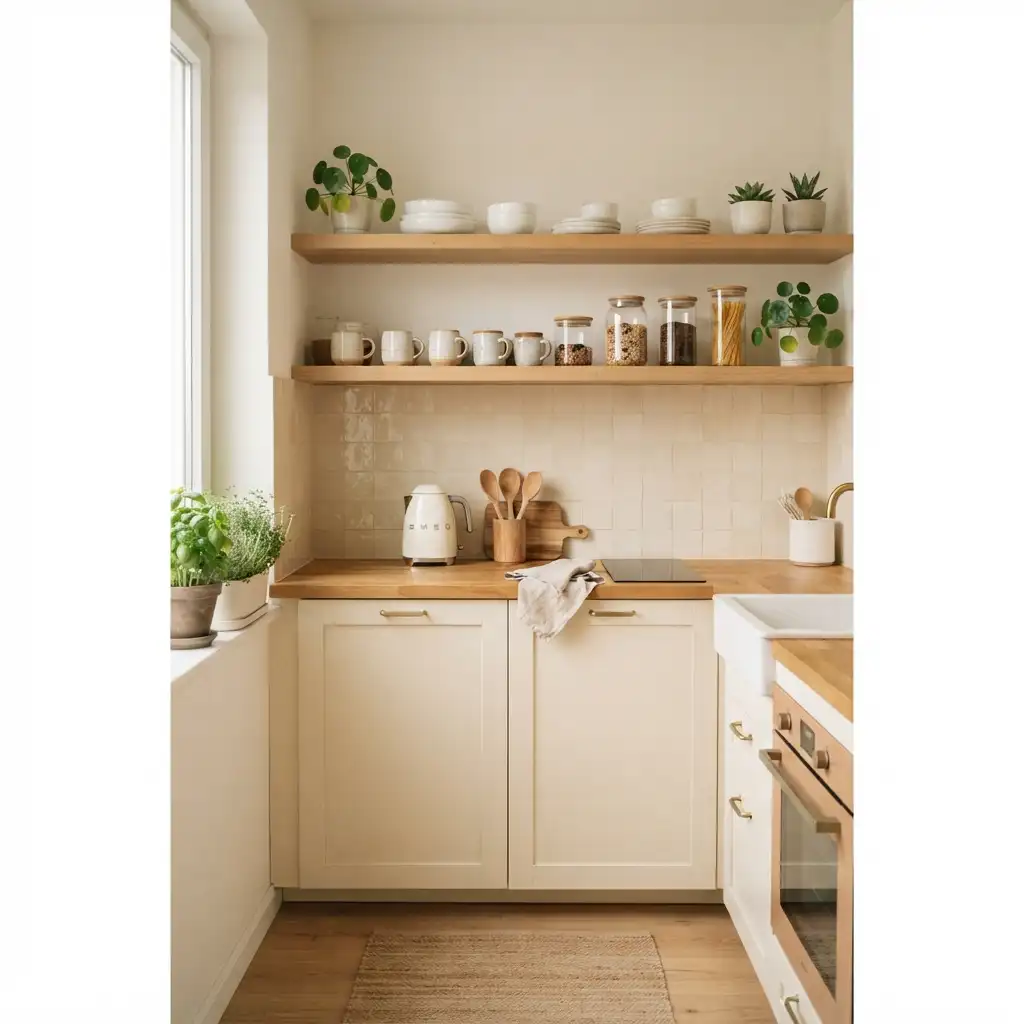
12. Add Open Shelving
Open shelves can make a small kitchen feel more spacious because they create a lighter visual effect than rows of bulky cabinets.
Use them for everyday dishes, glasses, mugs, and attractive containers. Keep the arrangement simple and intentional so the shelves don’t become a dumping ground.
Limit each shelf to items you use regularly or genuinely enjoy seeing. Otherwise, you’ll trade cabinet clutter for shelf clutter, which hardly feels like progress.
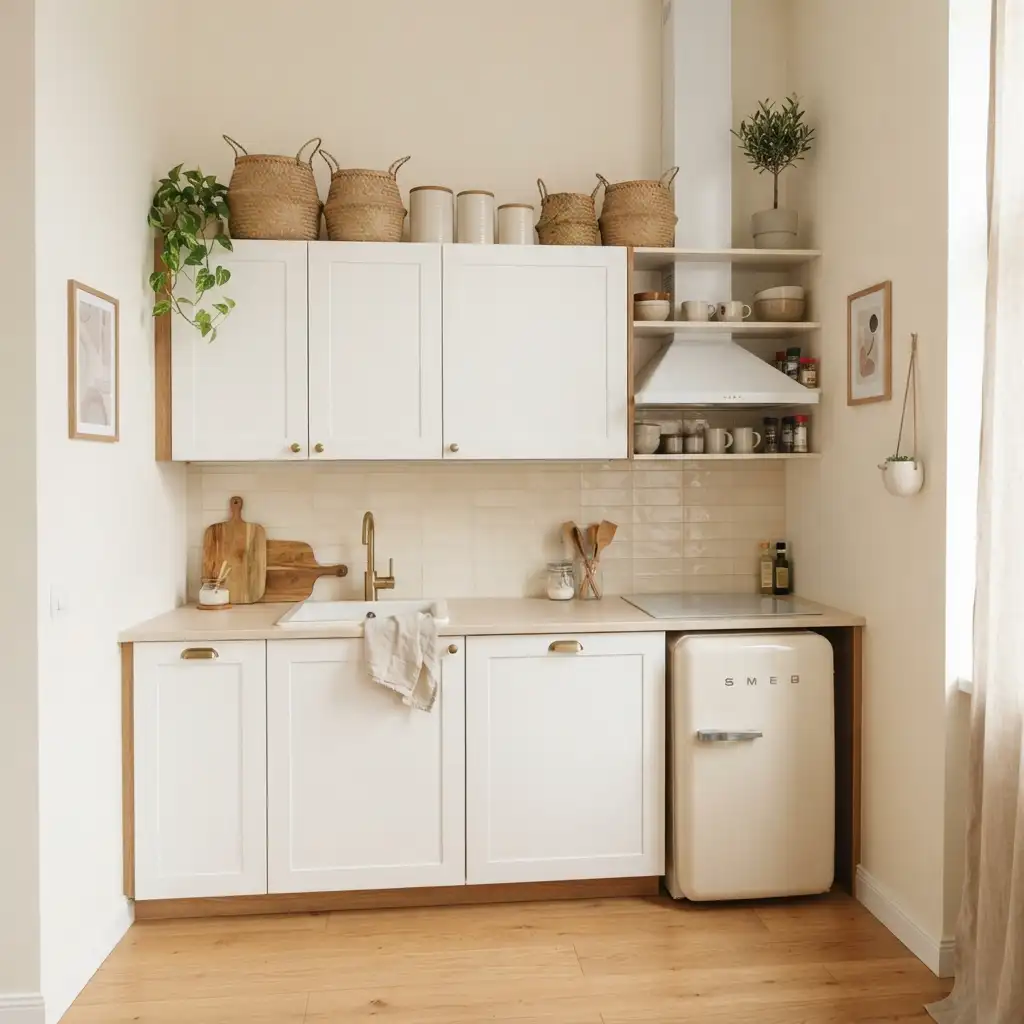
13. Use the Space Above the Cabinets
If your cabinets stop short of the ceiling, don’t automatically ignore the gap. You can use that area for attractive baskets, decorative containers, or less frequently used kitchen items.
Choose matching baskets to create a cleaner appearance. Label them if you store practical supplies inside.
Just remember that dust enjoys empty spaces almost as much as we enjoy pretending we’ll clean them later.
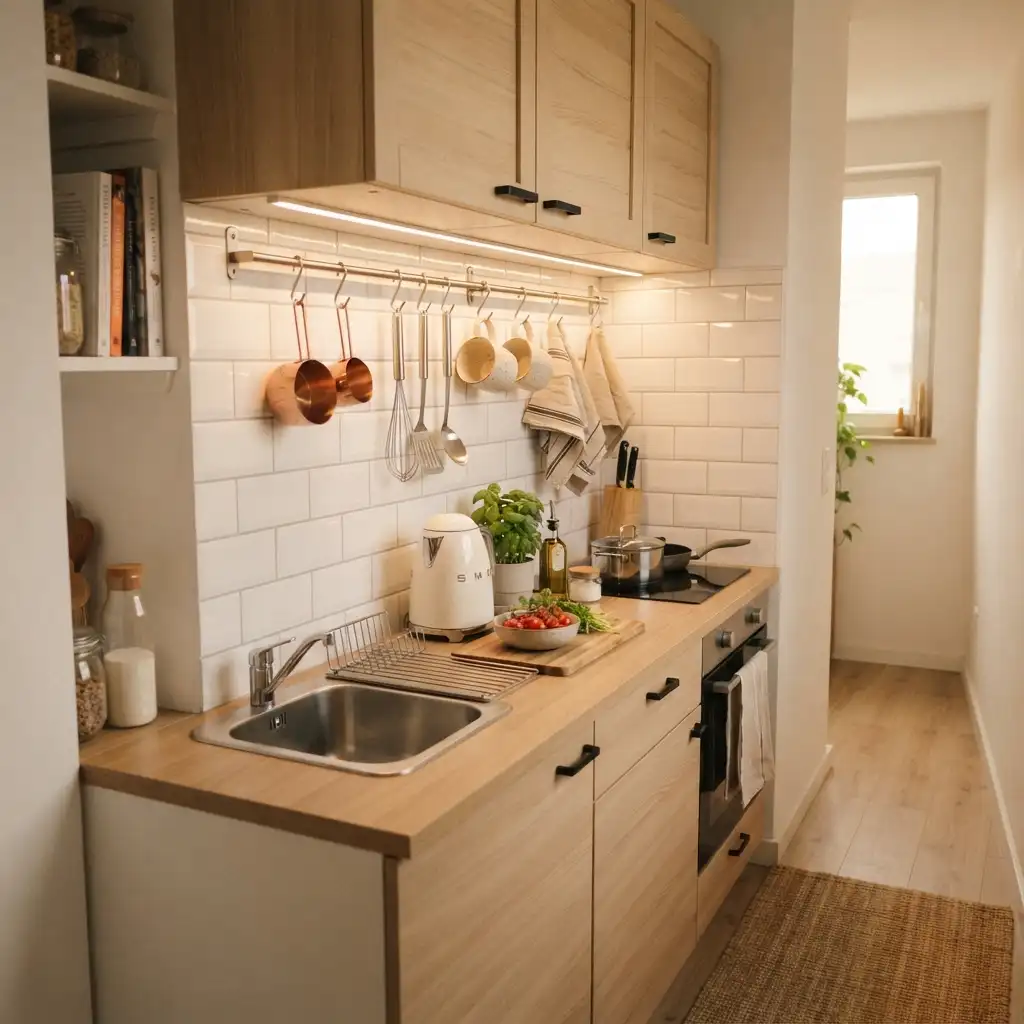
14. Install Under-Cabinet Storage
The space underneath your upper cabinets can hold more than a light fixture. Add a slim rail, hooks, magnetic strip, or hanging organizer to create convenient storage without sacrificing counter space.
You can hang:
- Measuring cups
- Cooking utensils
- Mugs
- Small baskets
- Kitchen towels
This approach keeps frequently used tools close while leaving your drawers available for other essentials.
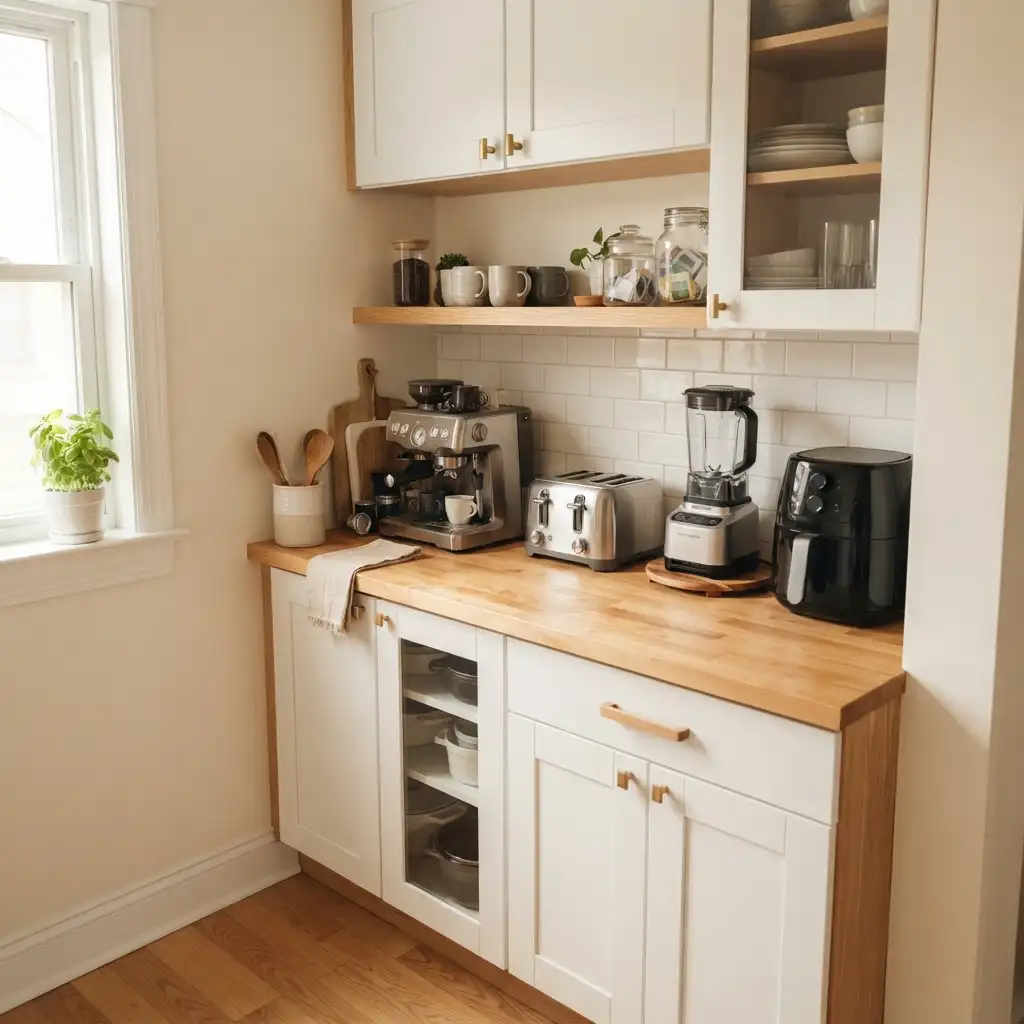
15. Create a Dedicated Appliance Zone
Small appliances can quickly take over a tiny kitchen. Instead of spreading them across every available surface, create one dedicated appliance zone.
Keep your coffee maker, toaster, blender, or air fryer together if you use them frequently. Store less-used appliances inside cabinets or on a rolling cart.
The goal isn’t to hide everything. The goal is to give everything a logical home. Once you establish that system, cleaning the kitchen becomes much easier.
How to Make a Tiny Kitchen Feel Bigger
Storage matters, but visual organization matters too. A kitchen can contain plenty of storage and still feel cramped if you fill every surface and wall.
Try these simple tricks:
- Choose light-colored cabinets to create an airy appearance.
- Keep countertops as clear as possible.
- Use matching storage containers for a cleaner look.
- Add under-cabinet lighting to brighten dark corners.
- Choose glass or open shelving selectively.
- Keep bulky appliances off the counter when you don’t use them.
Ever notice how a clean counter instantly makes a kitchen feel larger? That little visual trick works because your eyes can travel across the space without constantly hitting piles of stuff.
Smart Storage Rules for Tiny Kitchens
Before buying another organizer, take a quick inventory of what you already own. You might discover that you have plenty of storage—you just don’t use it efficiently.
I like to follow a simple rule: store frequently used items at eye level, occasionally used items below, and rarely used items up high.
Also group similar items together. Keep baking supplies together, cookware together, spices together, and food-storage containers together. When every category has a home, you spend less time searching and more time actually cooking.
Small Changes Can Make a Big Difference
You don’t need to completely remodel your kitchen to make it easier to use. Sometimes a narrow rolling cart, a few hooks, or a vertical organizer can create the extra space you desperately need.
Start with the area that annoys you most. If cookware creates the biggest mess, tackle your pots and pans first. If counters disappear under appliances, create an appliance zone.
Small kitchen organization works best when you solve your actual problems instead of copying every storage trend you see online.
Final Thoughts
A tiny kitchen doesn’t have to feel like a daily obstacle course. With vertical storage, clever organizers, multi-purpose furniture, and smarter cabinet layouts, you can make even a compact kitchen feel more functional.
Start small and focus on one improvement at a time. Clear one counter, organize one cabinet, or add one useful storage solution and see how much easier your kitchen feels.
And remember, you don’t need a kitchen the size of a restaurant to make a great meal. You just need enough space to find your spatula. 🙂