18 Tiny Kitchen Hacks That Create More Counter Space
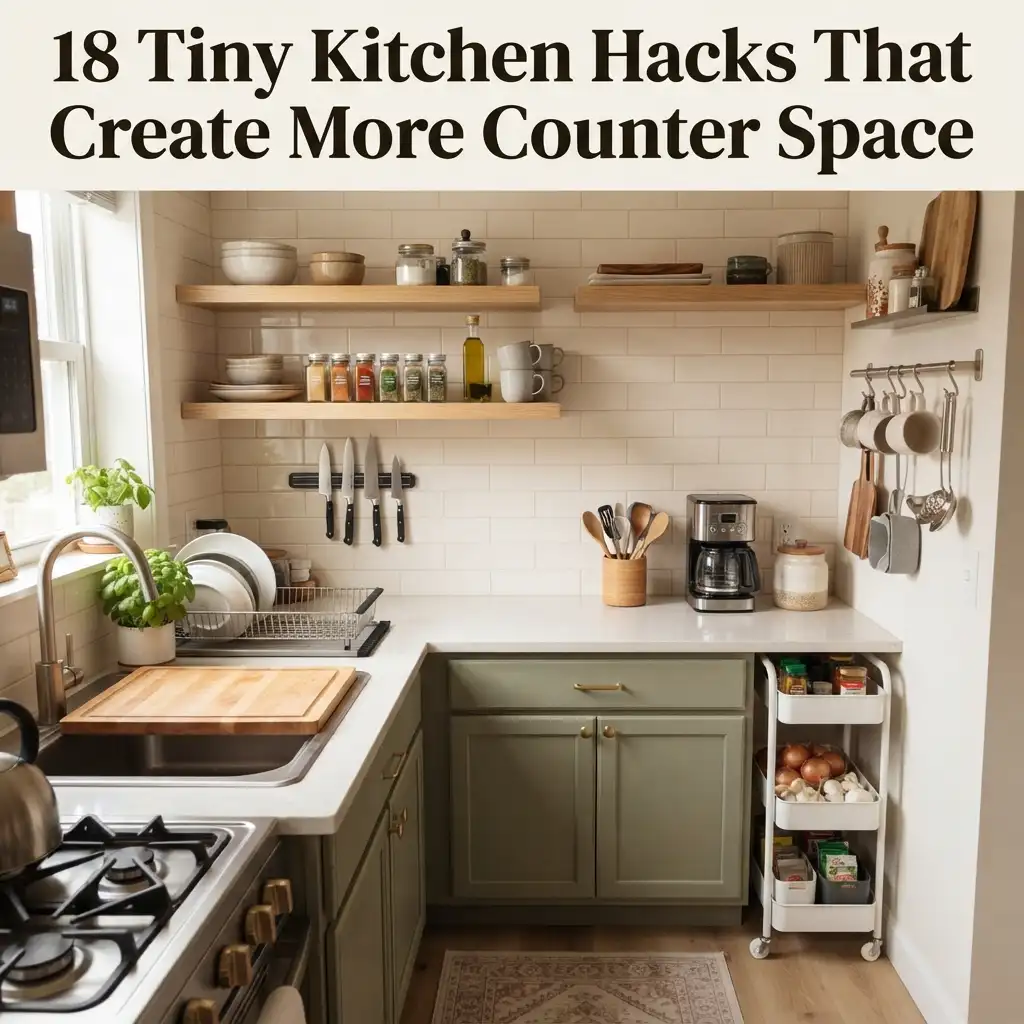
A tiny kitchen can make even the simplest meal feel like a game of Tetris. You move the cutting board, shove the toaster aside, and somehow the coffee maker still claims half the counter. Luckily, you don’t need a bigger kitchen to create more counter space—you just need to make smarter use of the space you already have.
I’ve found that the biggest difference comes from getting everyday items off the countertop. Vertical storage, clever organizers, foldable surfaces, and multi-purpose tools can instantly make a small kitchen feel easier to work in. So, if your counter currently looks like every appliance in your house decided to have a meeting there, these tiny kitchen hacks can help.
1. Add a Cutting Board Over the Sink
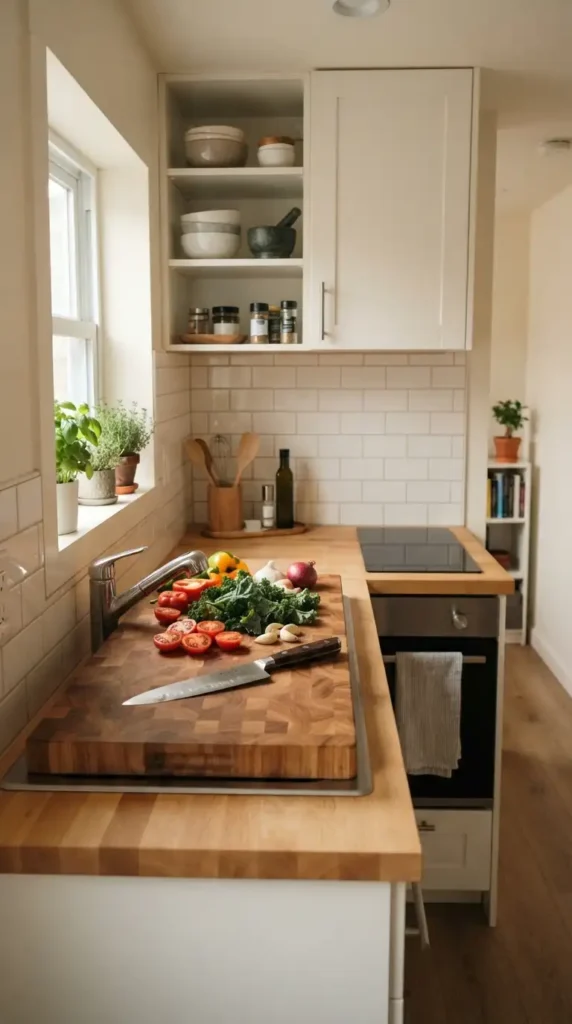
Your sink already occupies a large section of your kitchen, so why not make it work harder? A sink-cover cutting board creates an instant prep station without taking away permanent counter space. You can chop vegetables, slice fruit, or prepare ingredients directly over the sink.
Choose a board that fits your sink securely and leaves enough room around the edges. I especially like this trick for very narrow kitchens because you can simply remove the board when you need to wash dishes. Why sacrifice precious counter space when your sink can double as a workstation?
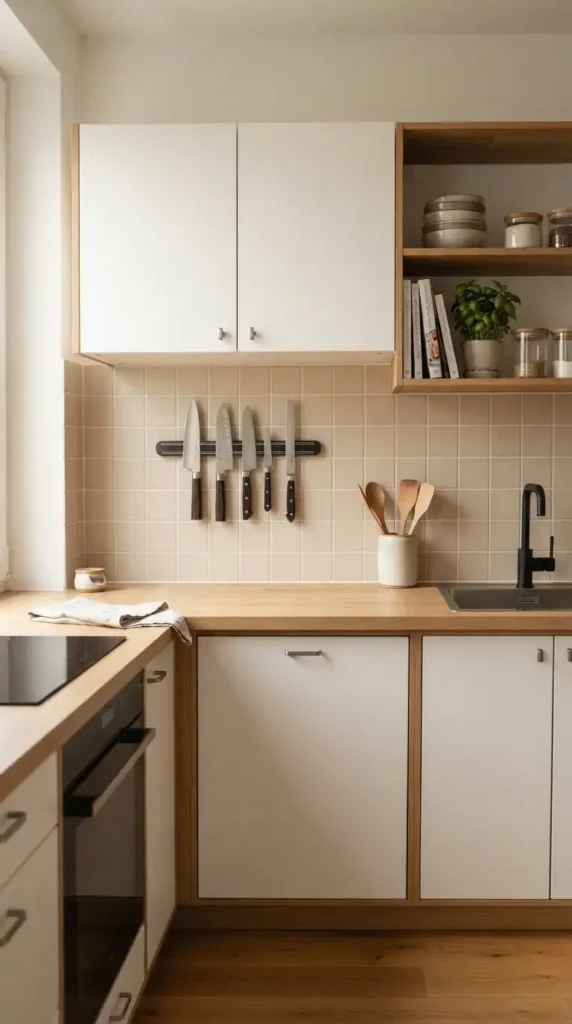
2. Install a Wall-Mounted Magnetic Knife Strip
A knife block can eat up more counter space than you realize. Replace it with a magnetic knife strip mounted on the wall to keep your knives organized and within easy reach.
The strip also gives your kitchen a cleaner appearance because you can see exactly where each knife belongs. Mount it away from areas where children can easily reach it, and follow the manufacturer’s installation instructions carefully. FYI, a small wall can sometimes provide more storage potential than an entire drawer.
3. Use a Rolling Kitchen Cart
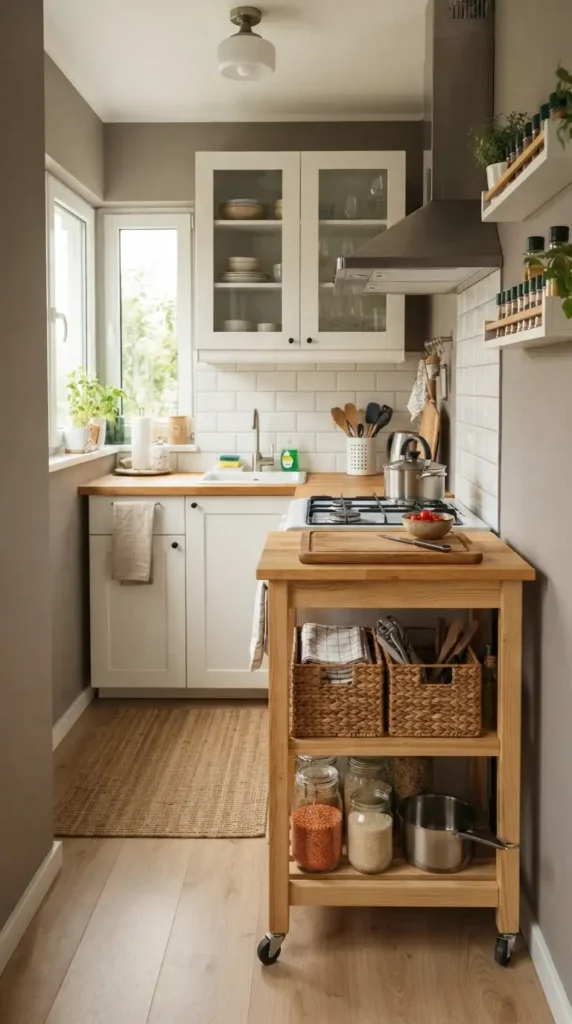
A slim rolling cart can add storage and workspace without permanently crowding your kitchen. Look for a narrow model with two or three shelves that you can move whenever you need extra room.
Use the top surface for coffee preparation, chopping, or serving, while the lower shelves hold pantry items and cookware. When you finish cooking, simply roll the cart into an unused corner. Flexible furniture works especially well in tiny kitchens because you can change the layout whenever you need it.
4. Move Appliances Into a Dedicated Zone
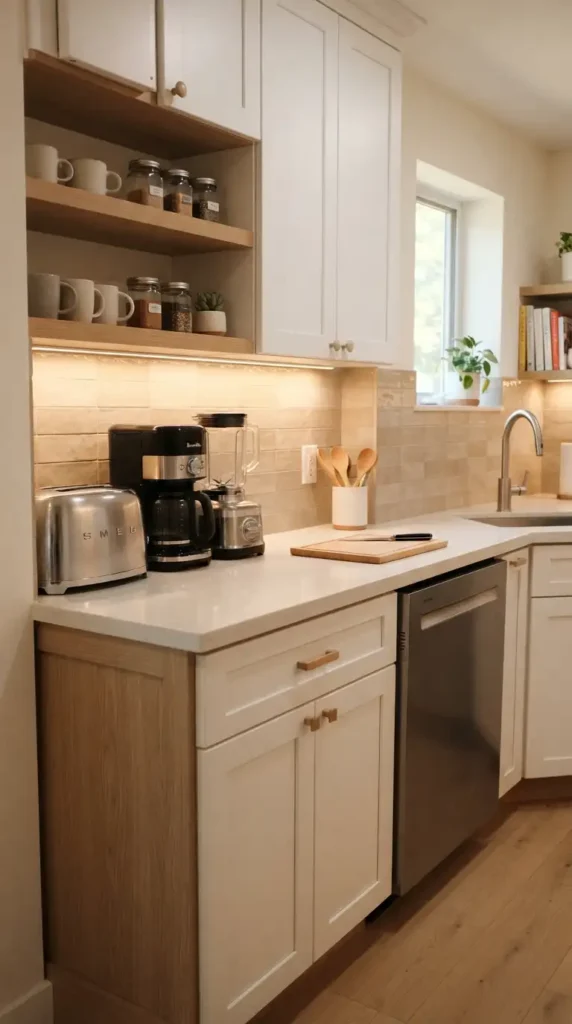
Small appliances quickly turn into countertop clutter. Instead of spreading your toaster, blender, coffee maker, and air fryer across every available inch, create one dedicated appliance zone.
Keep the appliances you use daily together and store occasional-use appliances inside a cabinet. If you have enough cabinet clearance, consider an appliance garage that lets you hide smaller machines while keeping them accessible. Wouldn’t it feel nice to see an actual countertop again?
5. Install Floating Shelves
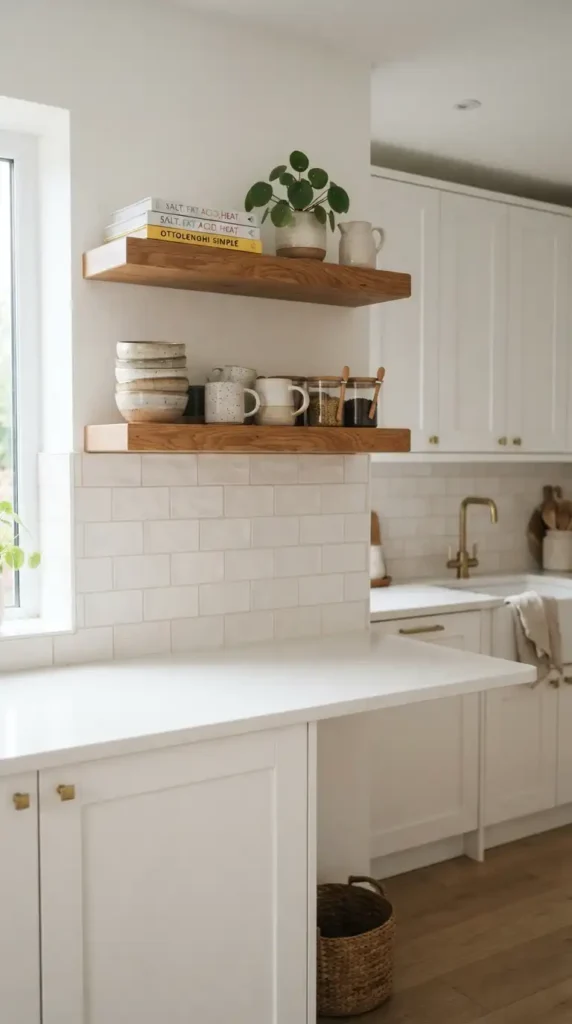
When floor and counter space disappear, look upward. Floating shelves transform unused wall space into practical storage for mugs, spices, bowls, cookbooks, and decorative items.
Keep frequently used items on the lower shelf and less-used pieces higher up. Avoid filling every inch because overcrowded shelves can make a small kitchen feel even smaller. A few carefully arranged pieces can give you storage without creating visual chaos.
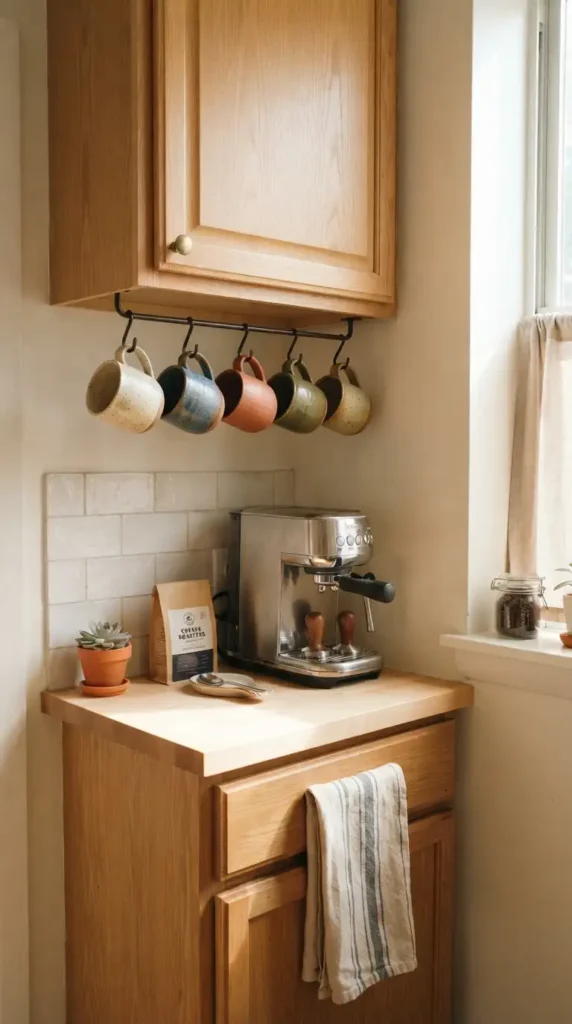
6. Hang Mugs Under Cabinets
Mugs take up surprisingly valuable cabinet and counter space. Install small hooks underneath an upper cabinet and hang your favorite mugs underneath it.
This simple trick creates a little coffee station while freeing an entire shelf inside the cabinet. Choose sturdy hooks that can handle the weight and keep enough clearance underneath for comfortable movement. Plus, your favorite mugs suddenly become part of the kitchen decor.
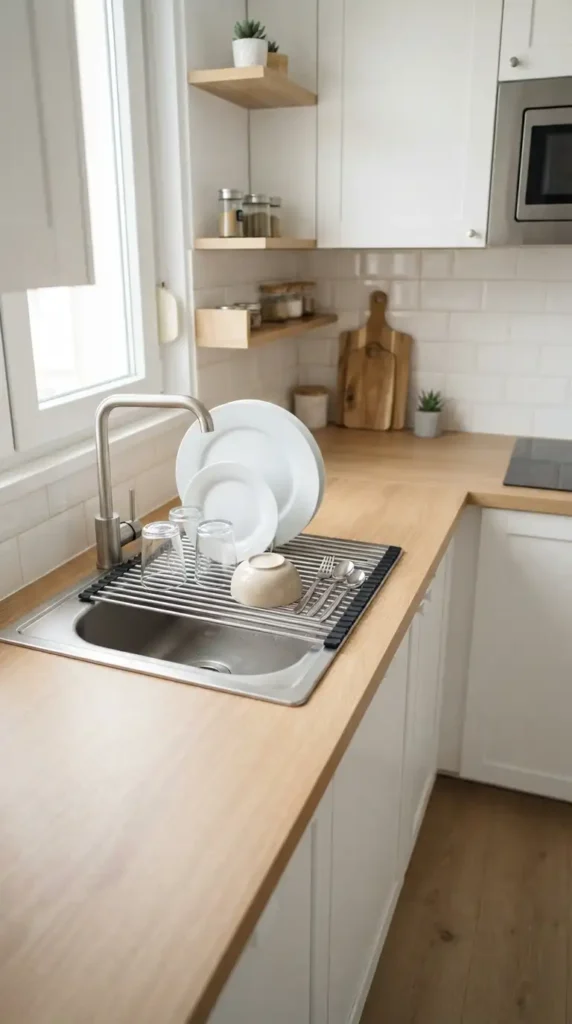
7. Try an Over-the-Sink Drying Rack
Traditional dish racks can permanently occupy a large portion of your counter. An over-the-sink drying rack gives you a much smarter alternative.
Choose a roll-up or collapsible version that sits securely across your sink. You can use it for drying dishes, rinsing produce, or even placing hot cookware down temporarily if the material allows it. When you finish, roll it up and store it in a drawer or cabinet.
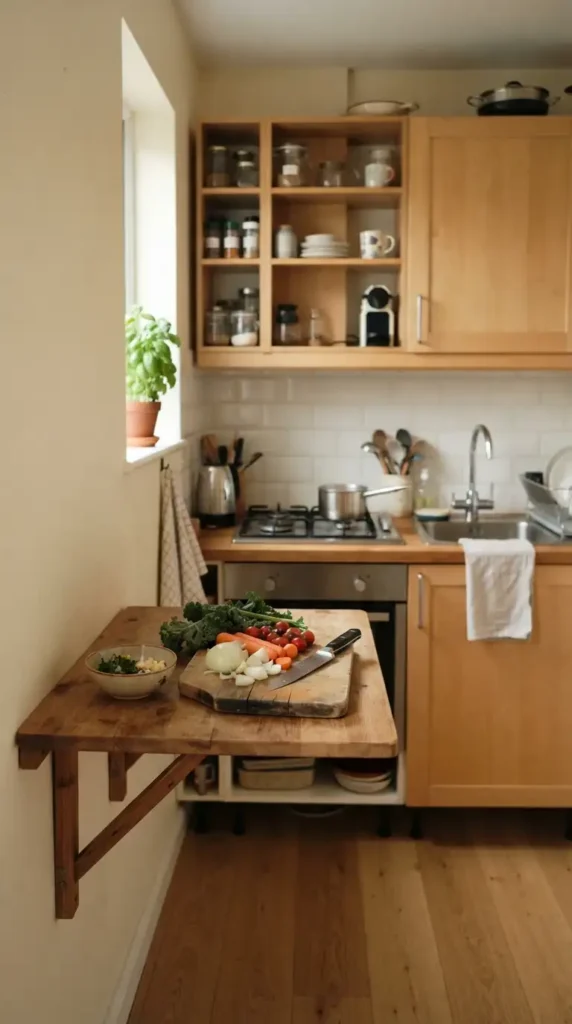
8. Use a Fold-Down Wall Table
If your kitchen has an empty wall, consider installing a fold-down table or countertop extension. You can open it when you need additional prep space and fold it flat against the wall afterward.
This option works particularly well in apartments and narrow kitchens. Use it as a breakfast table, baking surface, or temporary food-prep station. Why dedicate permanent floor space to a table when you only need it for part of the day?
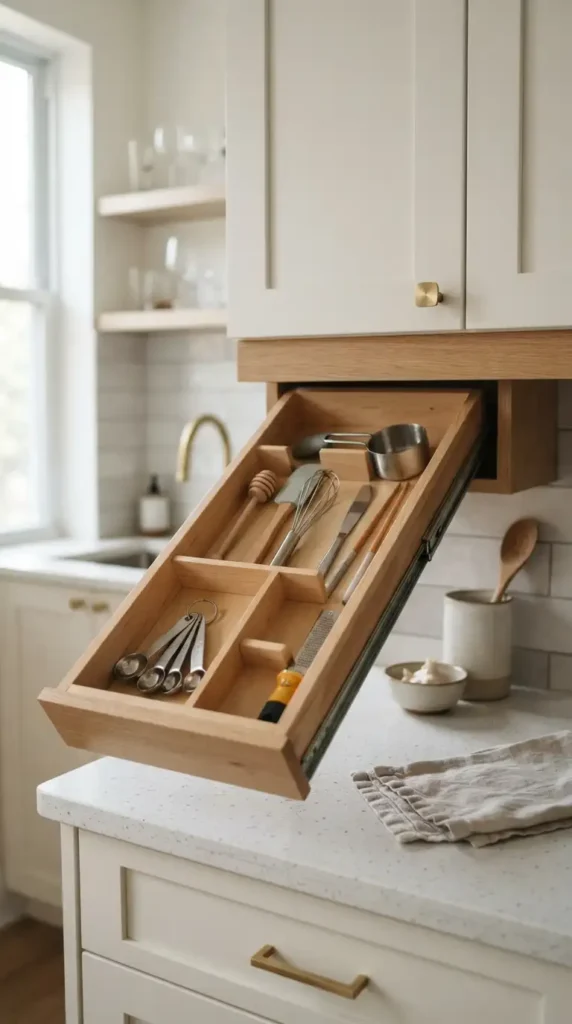
9. Add an Under-Cabinet Drawer
Look at the space underneath your upper cabinets. You may have a few inches of unused room that could accommodate a slim pull-out drawer.
Use this hidden drawer for measuring spoons, small utensils, tea bags, or other compact kitchen essentials. Hidden storage keeps small items from taking over your counters and drawers. A carpenter or kitchen organizer can help you choose the right configuration for your cabinets.
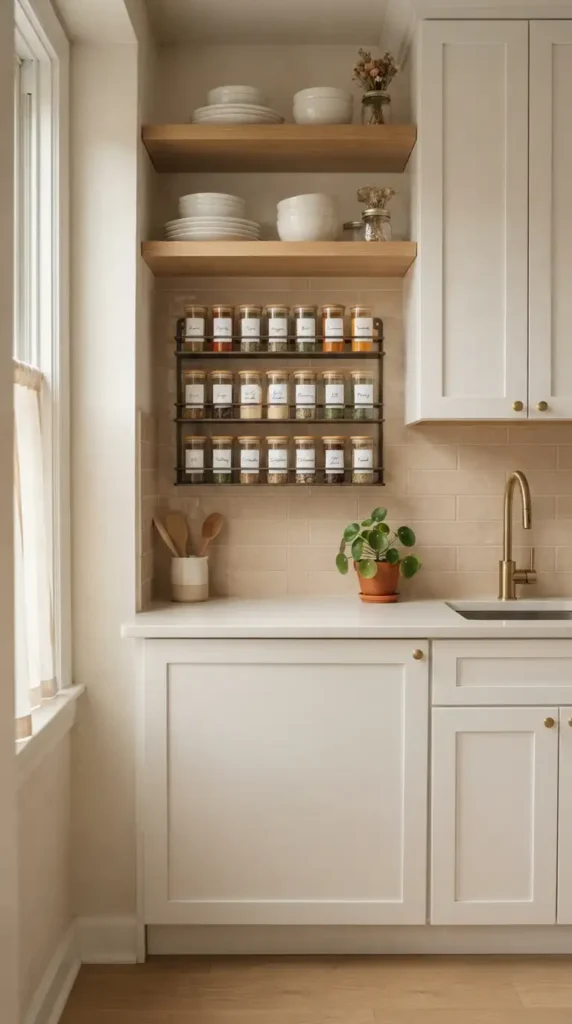
10. Store Spices on the Wall
A large spice collection can quickly consume an entire cabinet shelf. Move your spices onto a wall-mounted rack or magnetic spice system instead.
Arrange your most-used spices where you can grab them quickly while cooking. You can also use narrow shelves inside cabinet doors if you prefer a cleaner wall. Just avoid placing spices directly beside a hot stove because heat can affect their quality.
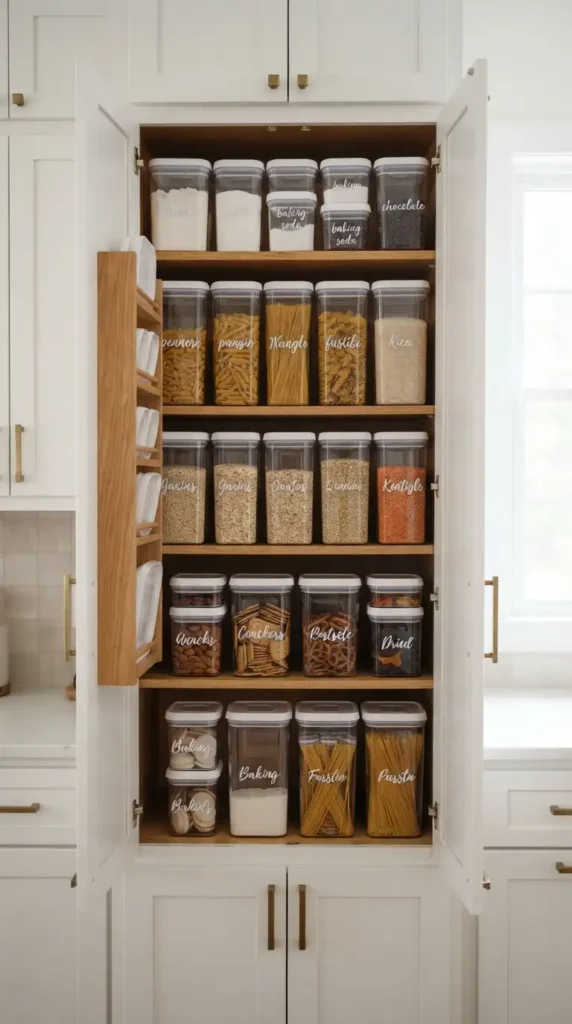
11. Choose Stackable Containers
Random containers create unnecessary cabinet clutter and make it harder to find anything. Replace mismatched pieces with stackable food-storage containers that use vertical space efficiently.
Choose containers with similar shapes so you can stack them neatly. Store lids together in a dedicated organizer instead of tossing them into a drawer. Once you organize your containers, you may discover enough cabinet room to move other items off the counter.
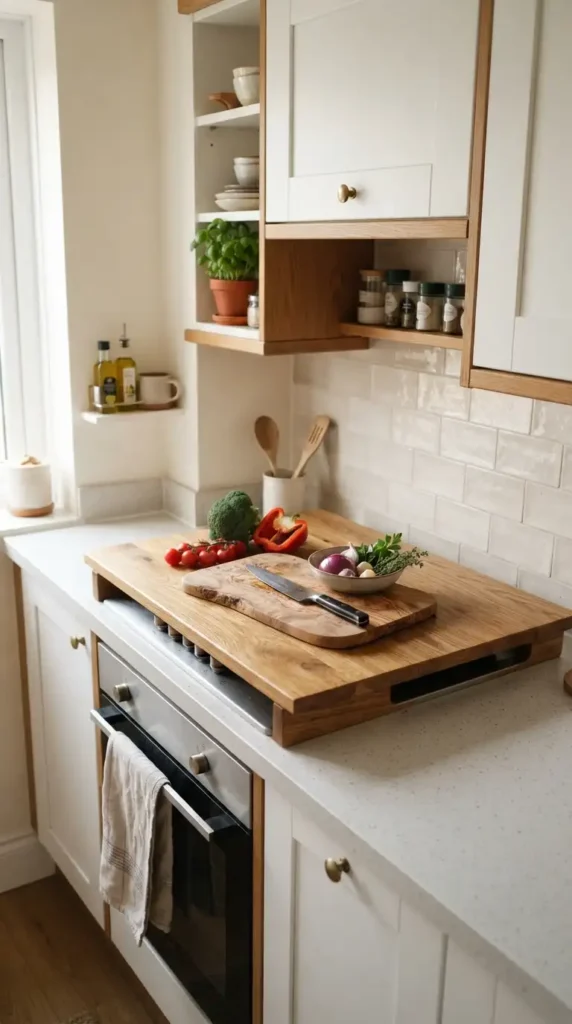
12. Use a Stove-Top Cover
Your stovetop can provide a surprisingly useful temporary work surface when you aren’t cooking. A stovetop cover or burner board can create extra space for food preparation or serving.
Always choose a cover designed specifically for your stove and remove it completely before turning on the burners. Never place anything on a hot cooking surface unless the product specifically supports it. With the right setup, unused cooking space can become valuable prep space.
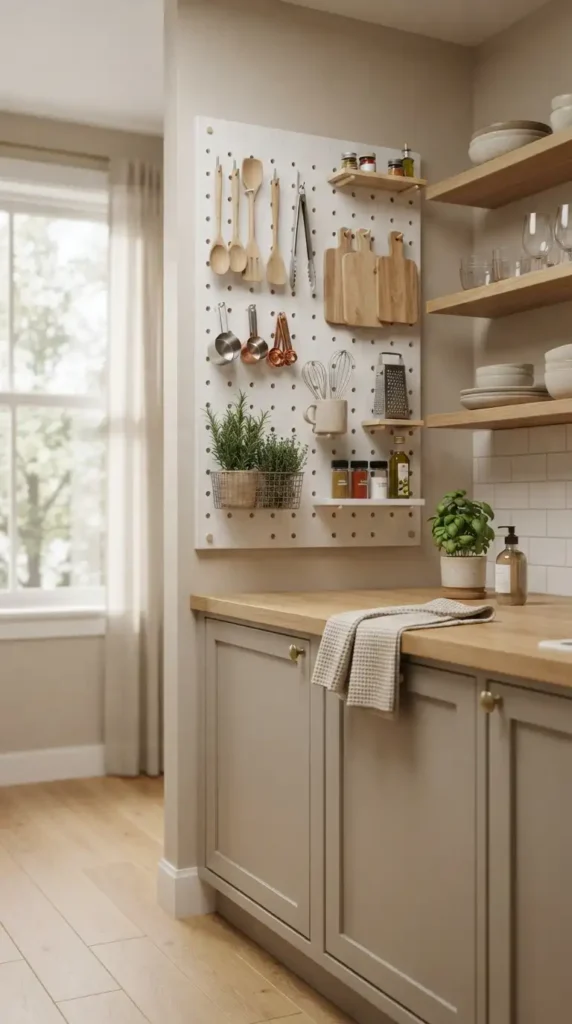
13. Install a Pegboard Wall
Pegboards aren’t just for garages anymore. A stylish kitchen pegboard can hold pans, utensils, cutting boards, measuring cups, and small baskets while keeping everything off the countertop.
You can rearrange the hooks whenever your storage needs change. That flexibility makes a pegboard especially useful in a small kitchen. Paint the board in a color that complements your cabinets if you want the storage system to look intentional rather than purely functional.
14. Use the Inside of Cabinet Doors
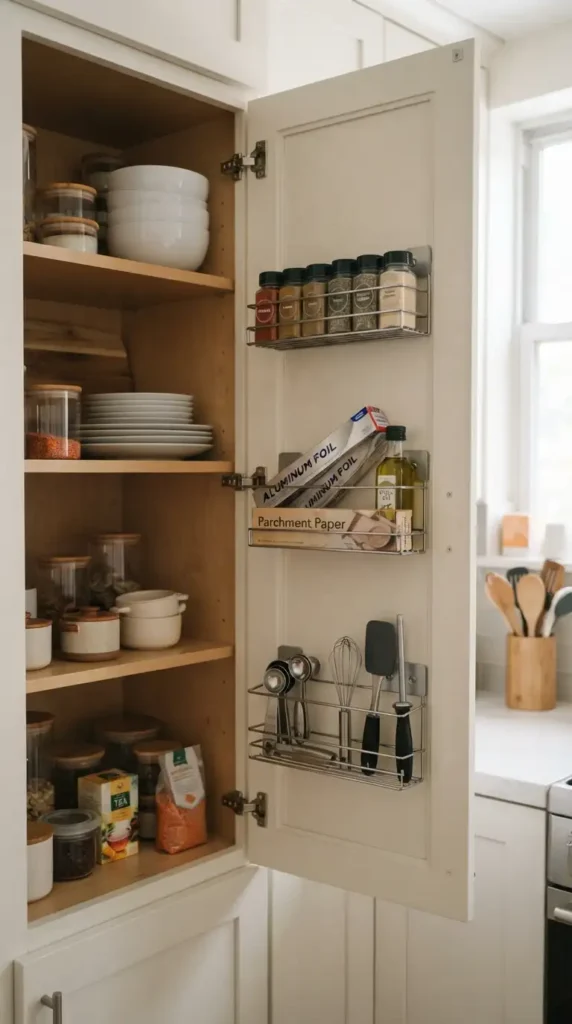
The inside of a cabinet door offers hidden storage that many kitchens completely ignore. Add narrow racks or adhesive organizers to hold spices, cutting tools, wraps, cleaning supplies, or small pantry items.
Just check the door clearance before installing anything bulky. You don’t want your new organizer preventing the cabinet from closing. Hidden door storage gives you extra organization without adding visual clutter.
15. Replace Bulky Appliances With Multi-Function Tools
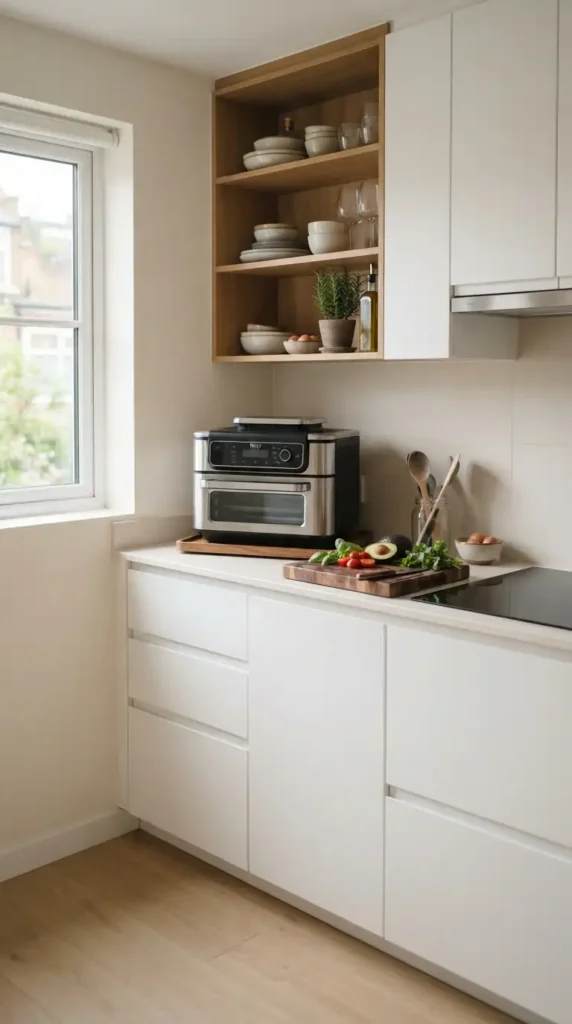
Do you really need six different appliances that each perform one tiny job? Probably not. Whenever possible, choose multi-purpose kitchen tools that perform several functions.
For example, a compact food processor can often chop, blend, shred, or puree depending on the model. A combination toaster oven and air fryer can also replace multiple countertop appliances. IMO, reducing appliance duplication offers one of the fastest ways to reclaim counter space.
16. Add a Narrow Countertop Shelf
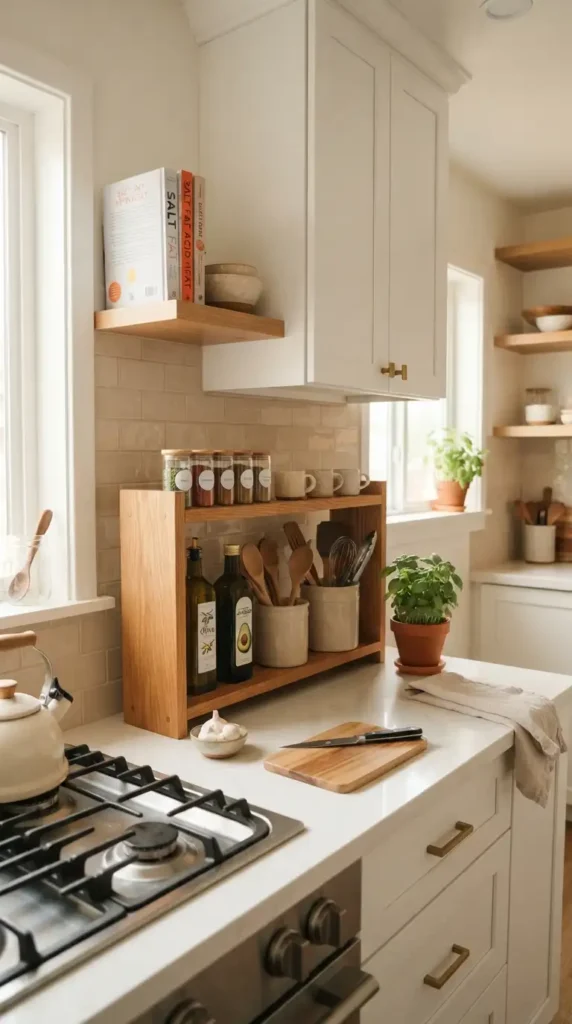
A small tiered shelf can create another storage level without requiring more counter width. Place it near your coffee maker, cooking area, or sink to organize frequently used items.
Use the upper level for mugs, spices, or small jars and keep the lower area clear for everyday tools. Choose a narrow design so you can still work comfortably around it. This hack costs little but can make a surprisingly noticeable difference.
17. Hang Pots and Pans
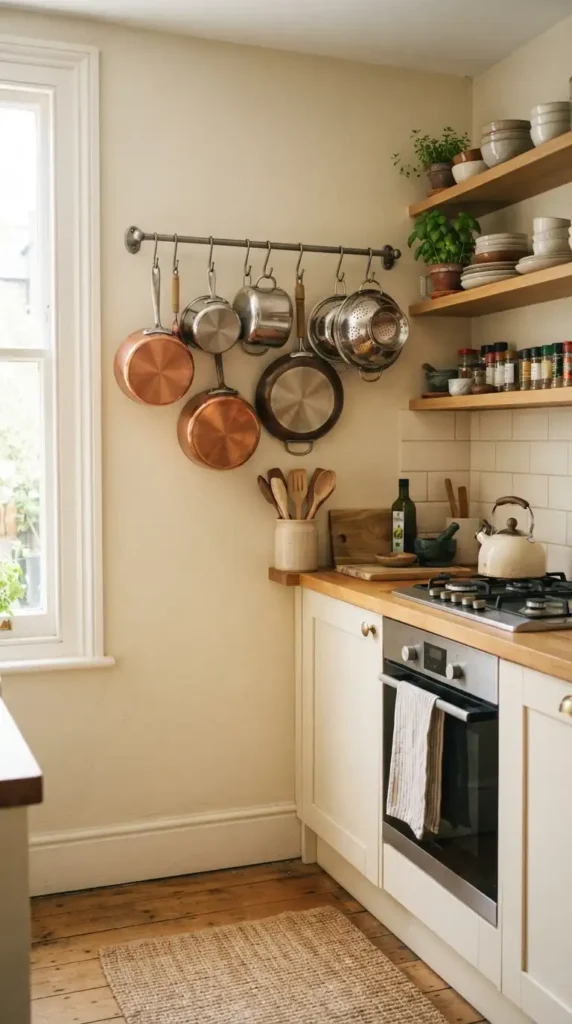
Large pots and pans often consume entire cabinets because they need so much room. A wall-mounted rail with sturdy hooks can move them out of the cabinets and onto an unused wall.
Keep your most frequently used cookware within easy reach. Group similar pieces together so the display feels organized rather than messy. If you like a slightly rustic or modern farmhouse look, this storage trick can actually become one of your kitchen’s best decorative features.
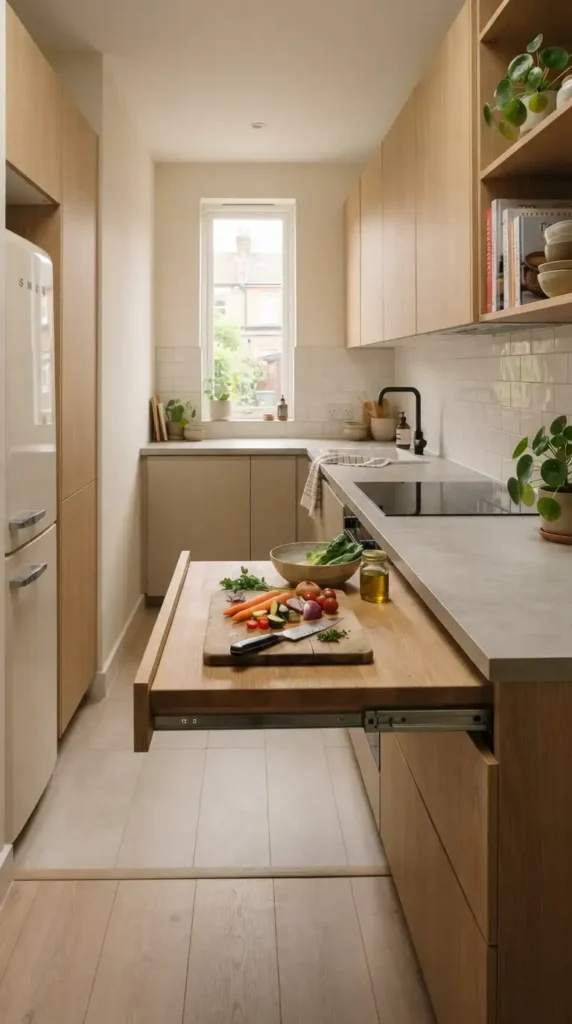
18. Create a Pull-Out Counter Extension
A pull-out countertop extension can give you extra workspace exactly when you need it. Install the extension beneath an existing counter or cabinet so you can slide it out during meal preparation.
Push it back underneath the counter when you finish cooking. A hidden extension gives you temporary workspace without permanently shrinking the walking area. This idea works especially well for narrow kitchens where every inch matters.
How to Make a Tiny Kitchen Feel Bigger
Creating more counter space involves more than simply adding storage. You also need to reduce visual clutter and give every item a logical home. When everything has a designated place, your kitchen automatically feels calmer and easier to use.
Start by removing items you rarely use from the countertop. Then move frequently used tools into accessible storage and keep decorative pieces to a minimum. You don’t need an empty kitchen, but you do need enough clear space to actually prepare food.
The Best Small Kitchen Storage Strategy
If you want the biggest improvement without spending much money, start with the easiest changes first. You can install hooks, add floating shelves, use cabinet-door organizers, and switch to stackable containers without remodeling the entire kitchen.
For a larger improvement, consider a rolling cart, fold-down table, pegboard, or pull-out counter extension. These options require a little more planning, but they can dramatically improve how you use a small kitchen.
Here’s a simple order to follow:
- Clear unnecessary countertop clutter.
- Move storage upward onto walls and shelves.
- Use cabinet doors and hidden spaces.
- Choose multi-purpose appliances and tools.
- Add temporary workspace with foldable or rolling solutions.
Small Kitchen, Big Difference
You don’t need a massive kitchen island or a full renovation to make your kitchen easier to use. A few thoughtful changes can turn wasted wall space, cabinet doors, sinks, and unused corners into practical storage and workspace.
My favorite approach combines several small hacks instead of relying on one expensive solution. Add a sink-cover cutting board, move knives onto a magnetic strip, organize spices vertically, and introduce one flexible workspace such as a rolling cart or fold-down table.
The goal isn’t to squeeze more stuff into your kitchen. The goal is to create more room to cook, prepare, and move comfortably. So look around your kitchen today and ask yourself: which surface could serve a second purpose? You might be surprised by how much extra counter space you already have hiding in plain sight. 🙂