20 Powerful Anti-Inflammatory Foods for Better Health
Feeling Tired, Achy, or Sluggish? Your Diet Might Be the Missing Piece
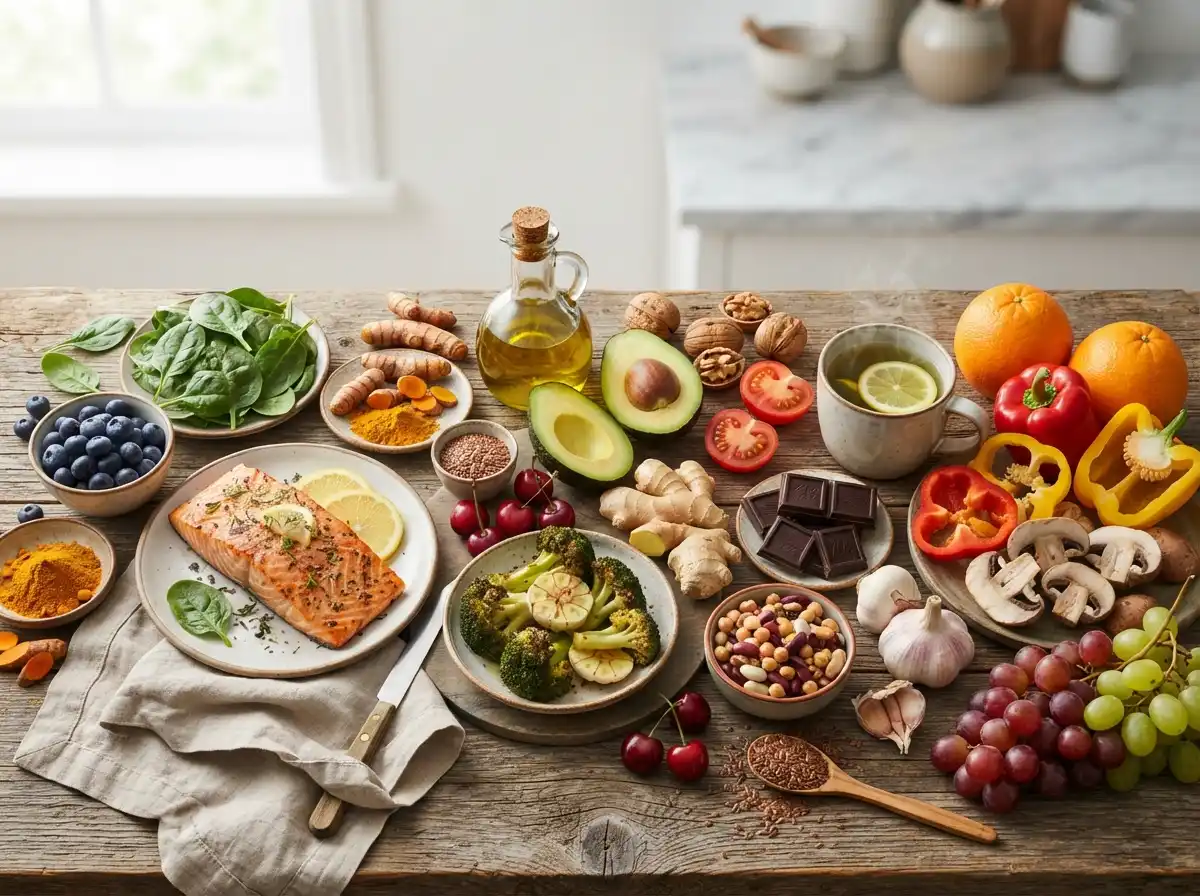
Have you ever finished a meal only to feel heavy instead of energized? I used to think that was just part of getting older or having a busy schedule. Then I started learning about anti-inflammatory foods, and I realized that small changes on my plate could make a noticeable difference. While no single food works like magic, eating more nutrient-rich ingredients consistently can help support your body, boost your energy, and promote better overall health. If you’re ready to eat smarter without giving up delicious meals, these powerful anti-inflammatory foods deserve a spot on your shopping list.
1. Fatty Fish
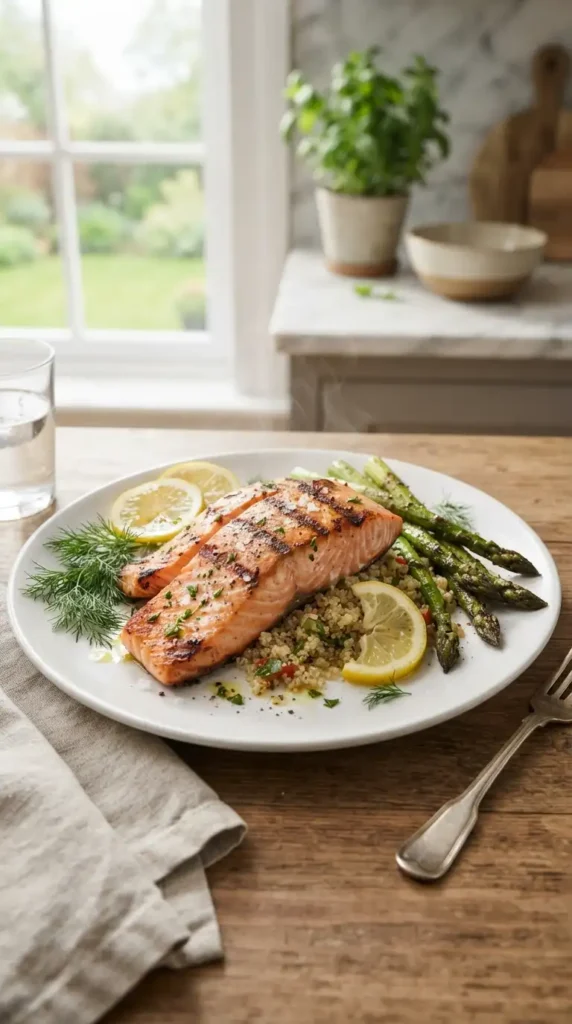
Fatty fish like salmon, mackerel, sardines, and trout rank among the best anti-inflammatory foods you can eat. They contain omega-3 fatty acids, especially EPA and DHA, which help support your body’s natural response to inflammation while promoting heart and brain health. I started eating grilled salmon twice a week, and I honestly noticed that I felt more satisfied after meals and had fewer afternoon energy crashes. Ever wondered why doctors and nutritionists recommend fatty fish so often? It’s because these healthy fats deliver benefits that many processed foods simply can’t match.
2. Blueberries
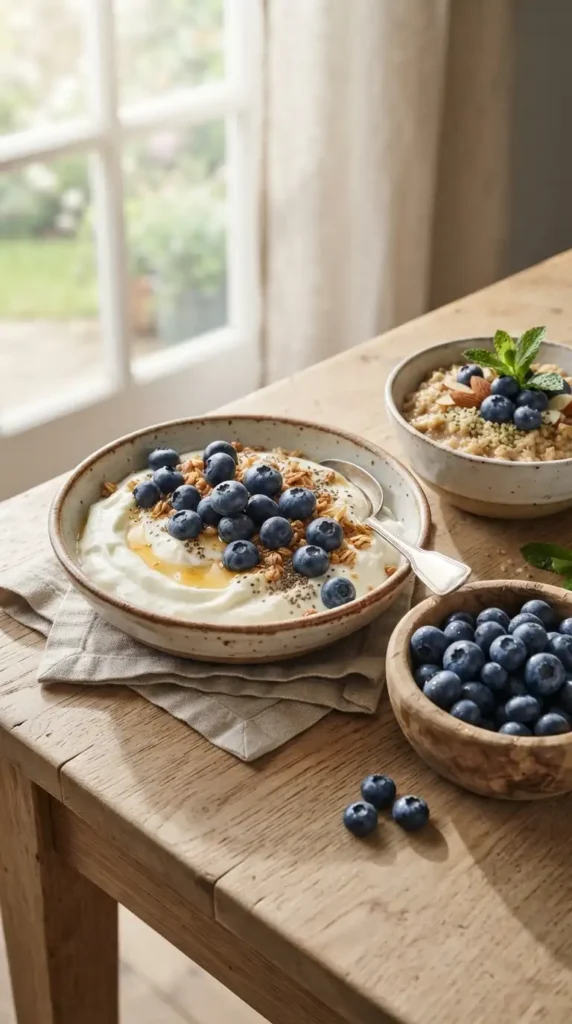
Blueberries may be tiny, but they pack an impressive nutritional punch. They contain anthocyanins, powerful antioxidants that help protect your cells from oxidative stress and support a healthy inflammatory response. I love tossing a handful into my morning oatmeal because they add natural sweetness without making breakfast feel like dessert. FYI, frozen blueberries work just as well as fresh ones, so you don’t have to wait for berry season to enjoy their benefits.
3. Spinach
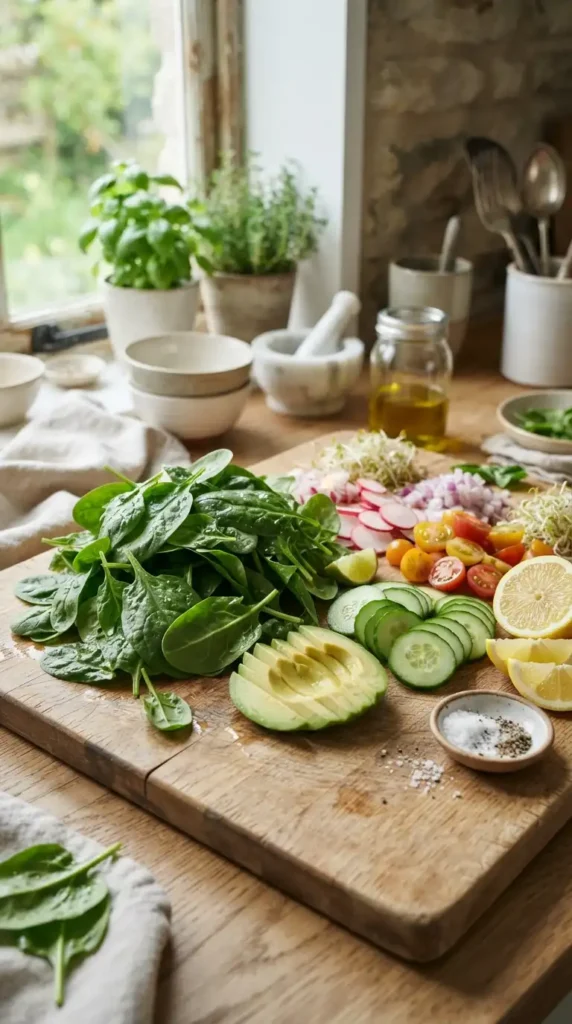
Spinach makes healthy eating incredibly easy because you can add it to almost anything. This leafy green provides vitamins A, C, and K, along with iron, fiber, and plant compounds that help fight inflammation naturally. I blend spinach into smoothies, mix it into pasta, and even add it to scrambled eggs because it practically disappears while boosting nutrition. If vegetables usually make you sigh dramatically, spinach might surprise you in the best way.
4. Turmeric
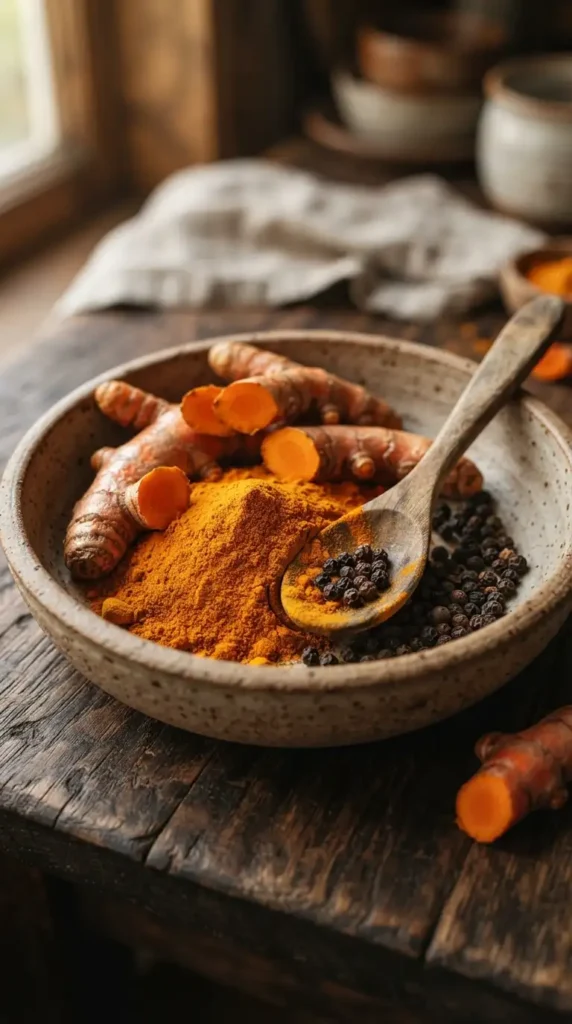
Turmeric has earned its reputation as one of the most powerful anti-inflammatory spices thanks to curcumin, its active compound. Curcumin helps support your body’s natural defenses, but your body absorbs it much better when you pair it with black pepper. I like adding turmeric to soups, rice dishes, and roasted vegetables because it gives food a warm, earthy flavor without much effort. Honestly, it feels like one of those small kitchen upgrades that actually pays off instead of collecting dust in the spice cabinet.
5. Extra Virgin Olive Oil
Not all cooking oils deserve the same attention, and extra virgin olive oil proves that point perfectly. It contains healthy monounsaturated fats and antioxidants that help reduce inflammation while supporting heart health. I switched from heavily processed oils to extra virgin olive oil years ago, and I never looked back because everything simply tastes fresher. Whether you drizzle it over salads or use it for light cooking, this pantry staple earns its place in almost every healthy kitchen.

6. Avocados
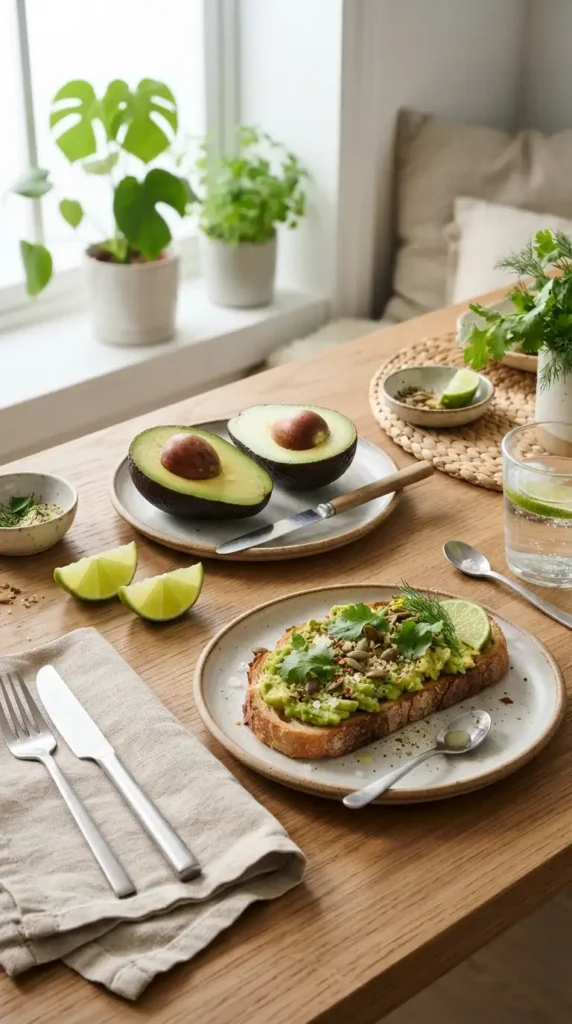
Avocados bring creamy texture, healthy fats, and plenty of nutrition to the table. They provide fiber, potassium, vitamin E, and heart-healthy monounsaturated fats, making them one of the best foods for reducing inflammation naturally. I enjoy sliced avocado on whole-grain toast or mixed into salads because it keeps me full much longer than processed snacks ever could. Why settle for another bag of chips when real food tastes this good?
7. Walnuts
Walnuts offer one of the easiest ways to add more anti-inflammatory nutrients to your daily routine. They contain plant-based omega-3 fatty acids, antioxidants, protein, and fiber, creating a snack that satisfies hunger without loading your body with unnecessary sugar. I usually keep a small container in my bag because it saves me from buying expensive vending machine snacks when I’m busy. My wallet appreciates that habit almost as much as my body does.

8. Tomatoes
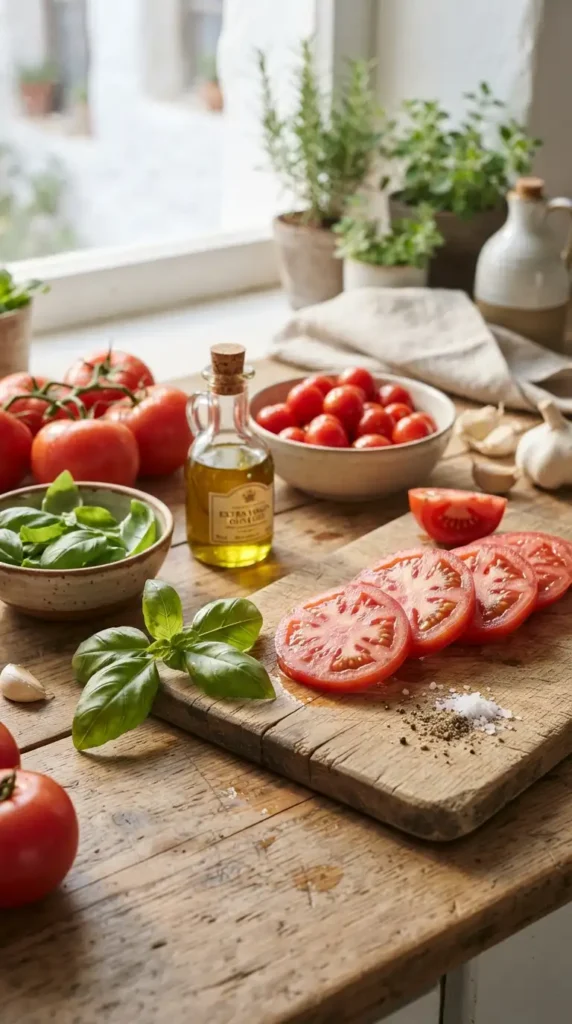
Tomatoes do much more than brighten your plate with vibrant color. They contain lycopene, a powerful antioxidant that helps protect your cells and supports a healthy inflammatory response. Interestingly, cooked tomatoes often provide even more absorbable lycopene than raw ones, which gives homemade pasta sauce another reason to earn a place on your dinner menu. Fresh or cooked, tomatoes make healthy eating both simple and delicious.
9. Green Tea
Sometimes the simplest health upgrade starts with what’s in your cup instead of what’s on your plate. Green tea contains catechins, natural antioxidants that help reduce oxidative stress while supporting overall wellness. I replaced one sugary afternoon drink with green tea, and I noticed steadier energy without the usual crash a couple of hours later. It won’t solve every problem in life, but it certainly beats another overly sweet drink pretending to be healthy. 🙂

10. Broccoli
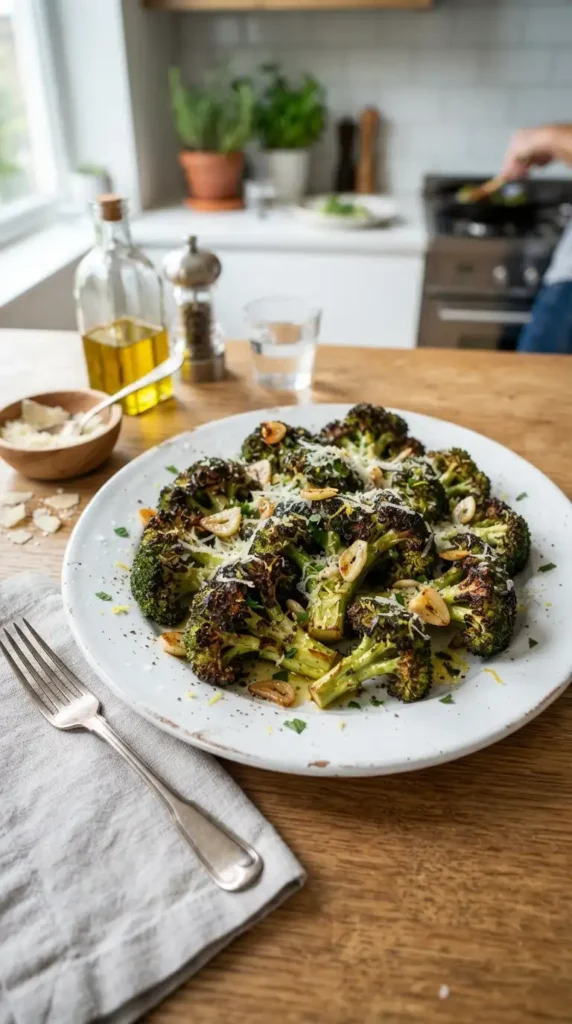
Broccoli often gets unfair criticism, but this vegetable deserves much more respect. It contains sulforaphane, fiber, vitamin C, and several antioxidants that help your body manage inflammation more effectively. I used to think broccoli tasted boring until I started roasting it with olive oil, garlic, and a little parmesan, and now it disappears from my plate every time. Ever wondered why healthy meal plans almost always include broccoli? Once you taste it prepared the right way, the answer becomes pretty obvious.
11. Ginger
Ginger has been a trusted natural remedy for centuries, and it still earns its place in modern kitchens. It contains gingerol, a powerful plant compound that helps support your body’s natural response to inflammation while also promoting healthy digestion. I always keep fresh ginger in my fridge because I can add it to tea, stir-fries, soups, or smoothies in minutes. If you’ve only used ginger when you had a cold, you’re missing out on one of the easiest ways to boost everyday meals.

12. Cherries
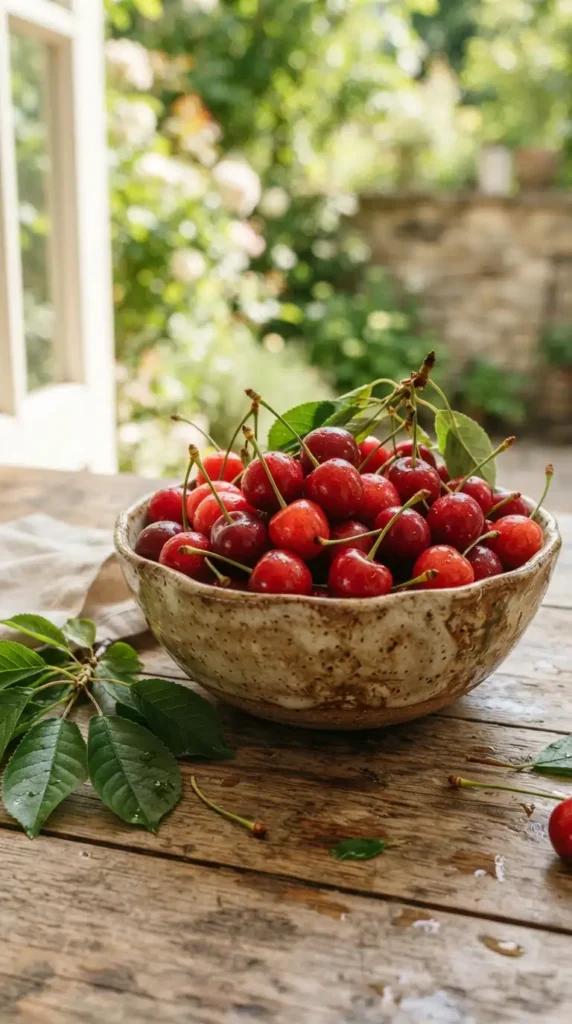
Cherries offer much more than their sweet, juicy flavor. They contain anthocyanins and vitamin C, which help fight oxidative stress and support overall health. I love eating a bowl of fresh cherries as an afternoon snack because they satisfy my sweet tooth without making me reach for candy later. That’s a pretty good trade if you ask me.
13. Garlic
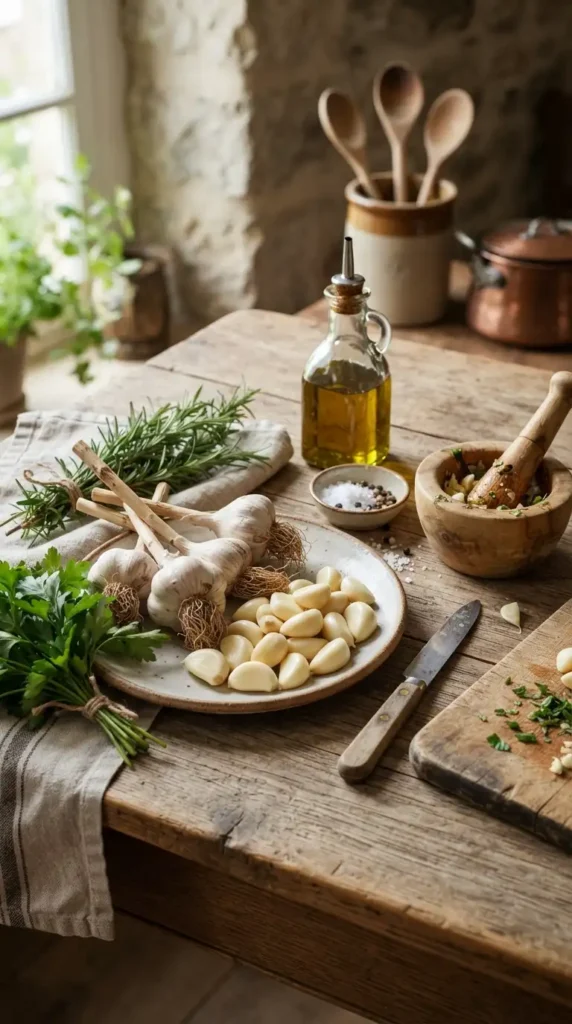
Garlic doesn’t just make food taste amazing—it also delivers impressive health benefits. It contains sulfur compounds like allicin, which help support the immune system and reduce inflammation naturally. I rarely cook dinner without adding fresh garlic because it instantly improves the flavor of vegetables, chicken, pasta, and soups. Honestly, a kitchen without garlic feels a little lonely.
14. Dark Chocolate
Yes, chocolate actually made this list, so you can stop pretending you didn’t see it. Dark chocolate with at least 70% cocoa contains antioxidants called flavonoids that help reduce inflammation and support heart health. I enjoy a small square after dinner because it satisfies dessert cravings without going overboard. The key word here is small, because eating the entire bar still doesn’t count as a health plan.
15. Beans
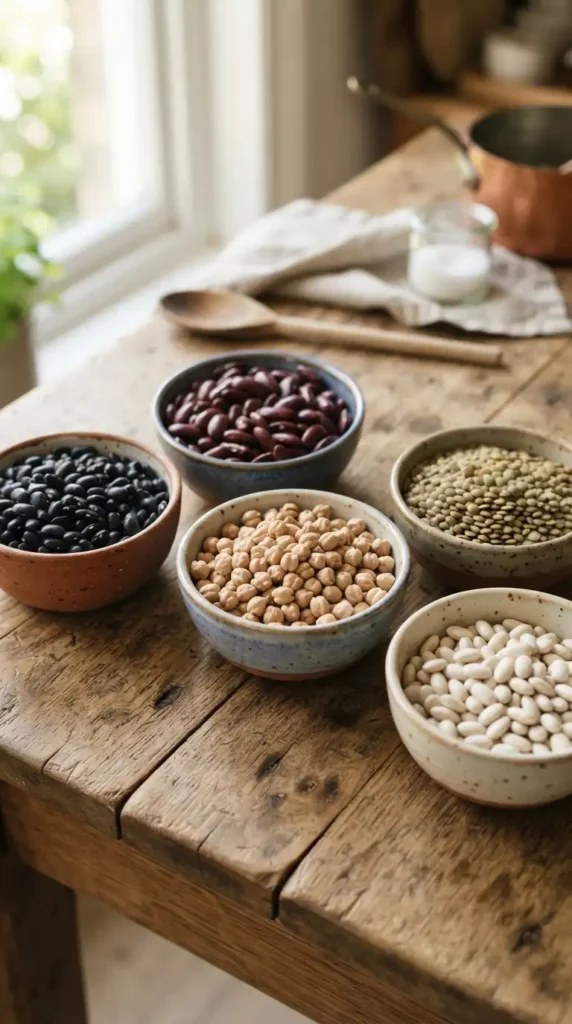
Beans deserve far more attention than they usually get. Black beans, kidney beans, chickpeas, and lentils provide fiber, plant protein, antioxidants, and essential minerals that support gut health and help reduce inflammation. I like adding beans to soups, salads, tacos, and rice bowls because they make meals more filling without costing much. Healthy eating doesn’t have to empty your wallet.
16. Oranges
Oranges brighten your plate while giving your body plenty of vitamin C, fiber, and antioxidants. These nutrients help protect your cells from damage and support a healthy immune system. I usually grab an orange instead of sugary snacks when I need a quick energy boost because it leaves me feeling refreshed instead of sluggish. Nature really knows how to make convenient snacks.

17. Bell Peppers
Colorful bell peppers bring crunch, sweetness, and a huge nutritional boost to almost any meal. They contain vitamins A and C, along with antioxidants that help support your body’s natural defenses against inflammation. I toss sliced peppers into salads, wraps, stir-fries, and even homemade pizza because they work with almost everything. The red, yellow, and orange varieties also add plenty of color, which makes healthy meals look a lot more exciting.

18. Mushrooms
Mushrooms offer an impressive combination of nutrients while staying naturally low in calories. Varieties like shiitake, oyster, and button mushrooms contain antioxidants, selenium, and B vitamins that help support overall health. I love sautéing mushrooms with garlic and olive oil because they develop a rich flavor that pairs perfectly with chicken, pasta, or rice. They’re proof that healthy food doesn’t have to taste boring.

19. Flaxseeds
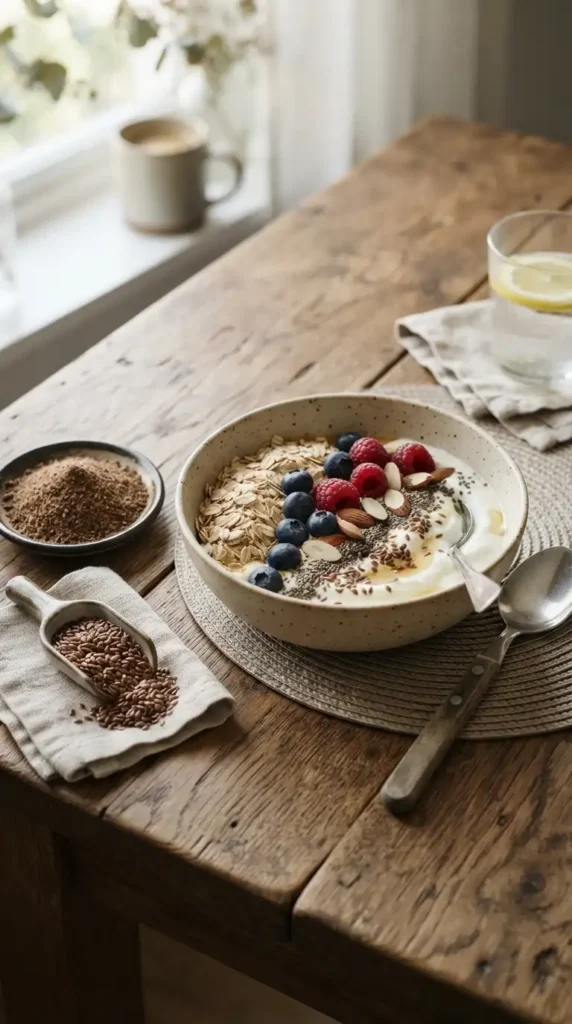
Flaxseeds may look tiny, but they deliver big nutritional benefits. They provide plant-based omega-3 fatty acids, fiber, and lignans, making them an excellent addition to an anti-inflammatory diet. I sprinkle ground flaxseeds into yogurt, oatmeal, and smoothies because they’re almost impossible to notice but easy to benefit from. Ever wondered how people sneak extra nutrition into meals? This is one of the simplest tricks.
20. Grapes
Grapes finish our list on a sweet note while delivering impressive health benefits. They contain resveratrol, a natural antioxidant that helps protect your cells and supports a healthy inflammatory response. I keep grapes in the fridge because they’re perfect for quick snacks, fruit salads, or even frozen treats during hot weather. They’re sweet enough to satisfy cravings without making me regret my snack choices later.

Simple Ways to Add More Anti-Inflammatory Foods to Your Diet
Changing your diet doesn’t mean replacing everything overnight. Small, consistent changes usually work much better than dramatic ones.
Here are a few easy ideas:
- Add berries to your breakfast cereal or yogurt.
- Eat fatty fish two or three times each week.
- Use extra virgin olive oil instead of heavily processed cooking oils.
- Snack on walnuts or grapes instead of chips.
- Add spinach, broccoli, or bell peppers to your lunches and dinners.
- Drink green tea instead of sugary beverages when possible.
- Season meals with garlic, ginger, and turmeric for extra flavor and nutrition.
Why Your Overall Diet Matters
No single food can eliminate inflammation on its own. Your daily eating habits matter much more than any one ingredient. When you consistently choose whole foods, colorful fruits, vegetables, healthy fats, lean proteins, and fiber-rich ingredients, you give your body the nutrients it needs to function at its best.
I always remind myself that healthy eating isn’t about perfection. One healthy meal won’t change your life, just like one unhealthy meal won’t ruin it. The goal is consistency, not perfection, and that mindset makes healthy choices much easier to stick with.
Conclusion
Adding more anti-inflammatory foods to your diet doesn’t require complicated recipes or expensive ingredients. Simple foods like salmon, blueberries, spinach, turmeric, olive oil, walnuts, garlic, broccoli, beans, mushrooms, and green tea can help support your overall health while making your meals more flavorful and satisfying.
Start with one or two foods from this list and build from there. Those small changes can turn into lasting healthy habits before you know it. Your body works hard for you every single day, so why not return the favor with food that helps it thrive? Trust me—your future self will probably thank you.