11 Very Small Living Room Ideas That Make Every Inch Count
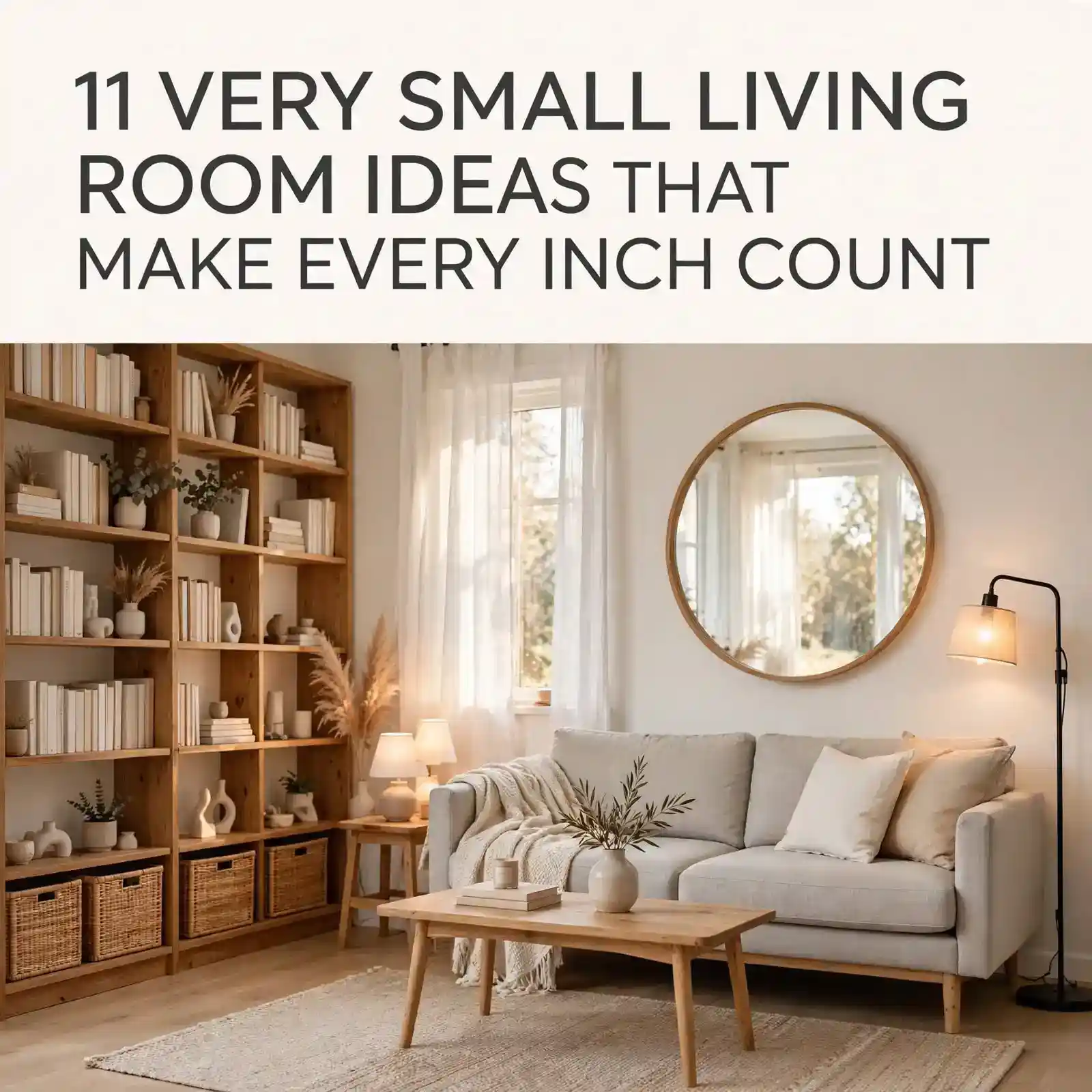
Living in a tiny apartment doesn’t mean your living room has to feel like a storage closet. I’ve squeezed a full living setup into spaces smaller than most people’s walk-in closets, and trust me, it’s absolutely doable once you know the tricks.
Small living rooms get a bad rap, but honestly, they force you to be intentional instead of just throwing furniture around. Below are 11 small living room ideas that actually work, tested by someone who’s lived the struggle firsthand.
1. Go Vertical With Your Storage
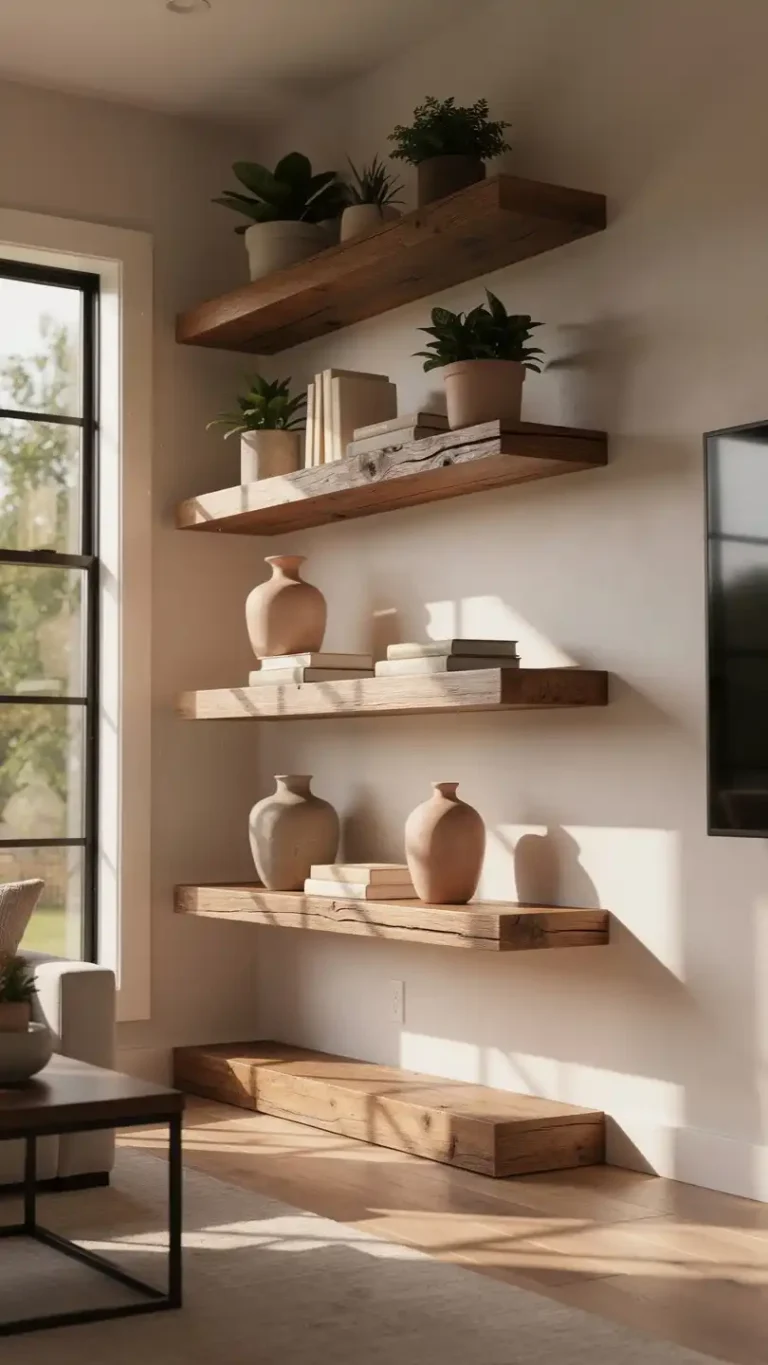
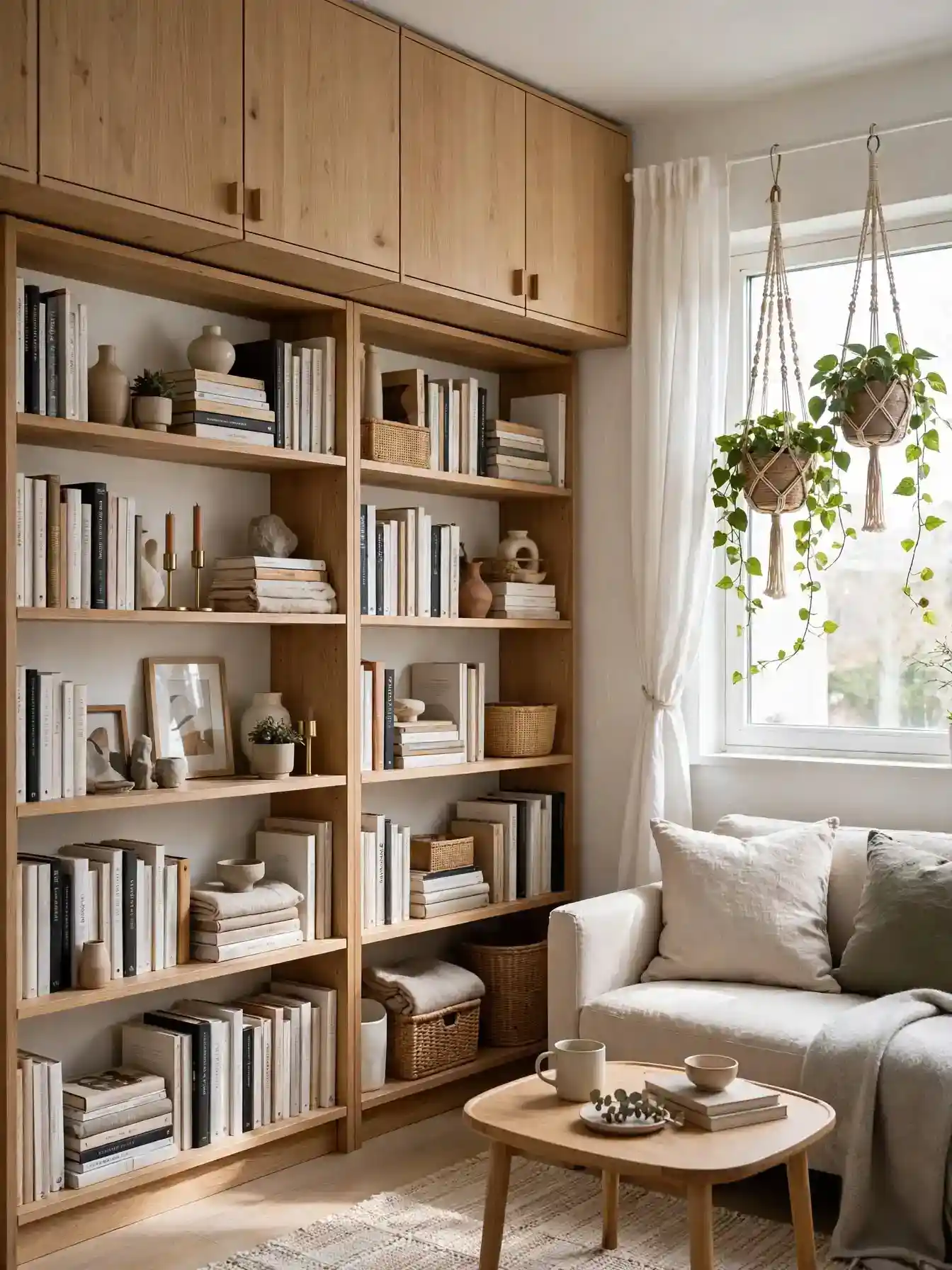
When floor space runs out, the walls become your best friend. Tall bookshelves and wall-mounted cabinets pull the eye upward, making your ceiling feel higher and your room feel bigger.
I switched from a low bookshelf to a floor-to-ceiling unit, and the difference honestly shocked me. Vertical storage keeps clutter off the floor while adding visual height to a cramped space.
- Floor-to-ceiling bookshelves
- Wall-mounted cabinets above eye level
- Hanging plants instead of floor planters
- Tall, narrow furniture over wide, short pieces
2. Choose Multi-Functional Furniture
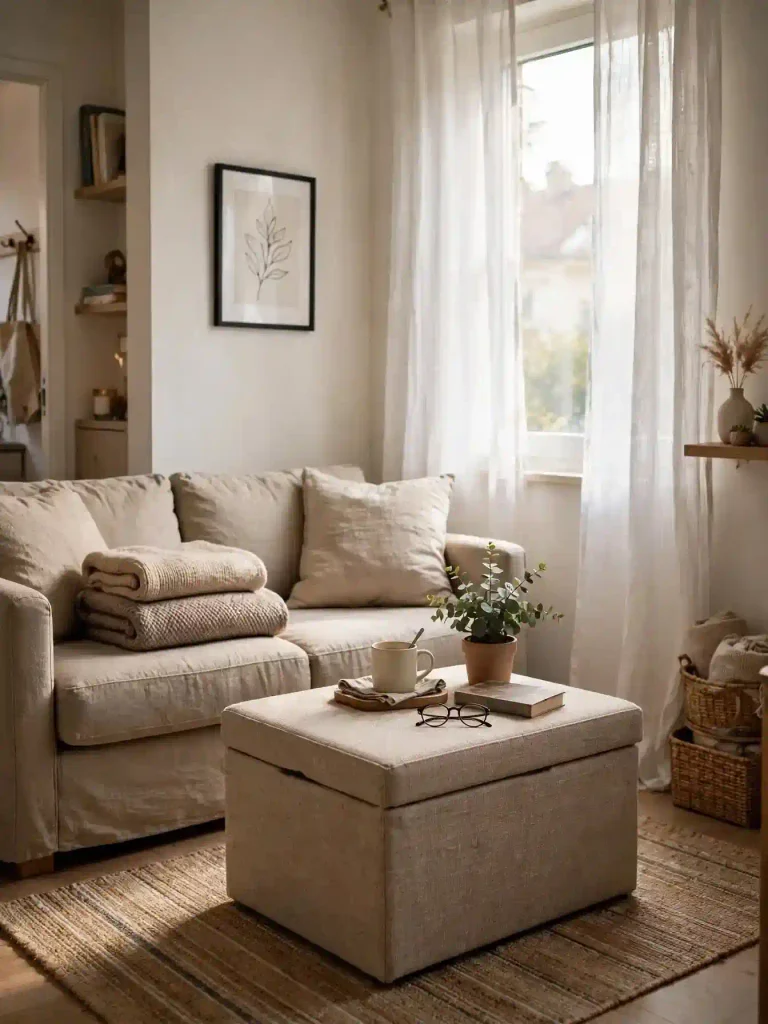
Ever wondered why tiny house influencers are obsessed with ottomans that open up? Because multi-functional furniture is basically a cheat code for small spaces. A coffee table with storage or a sofa bed does double duty without eating extra square footage.
I bought a storage ottoman years ago and it holds blankets, remotes, and honestly some stuff I probably forgot about. It works as a coffee table, extra seating, and storage all at once.
3. Stick to a Light Color Palette
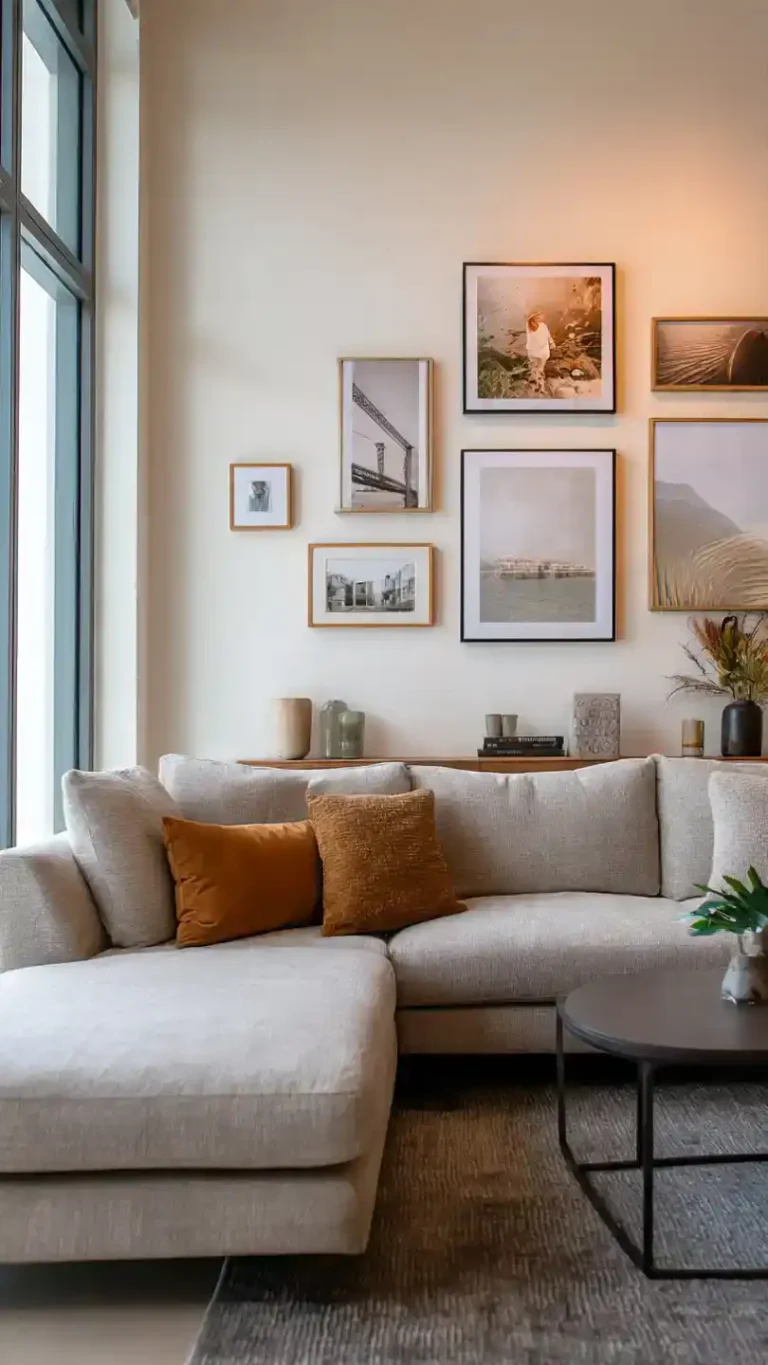
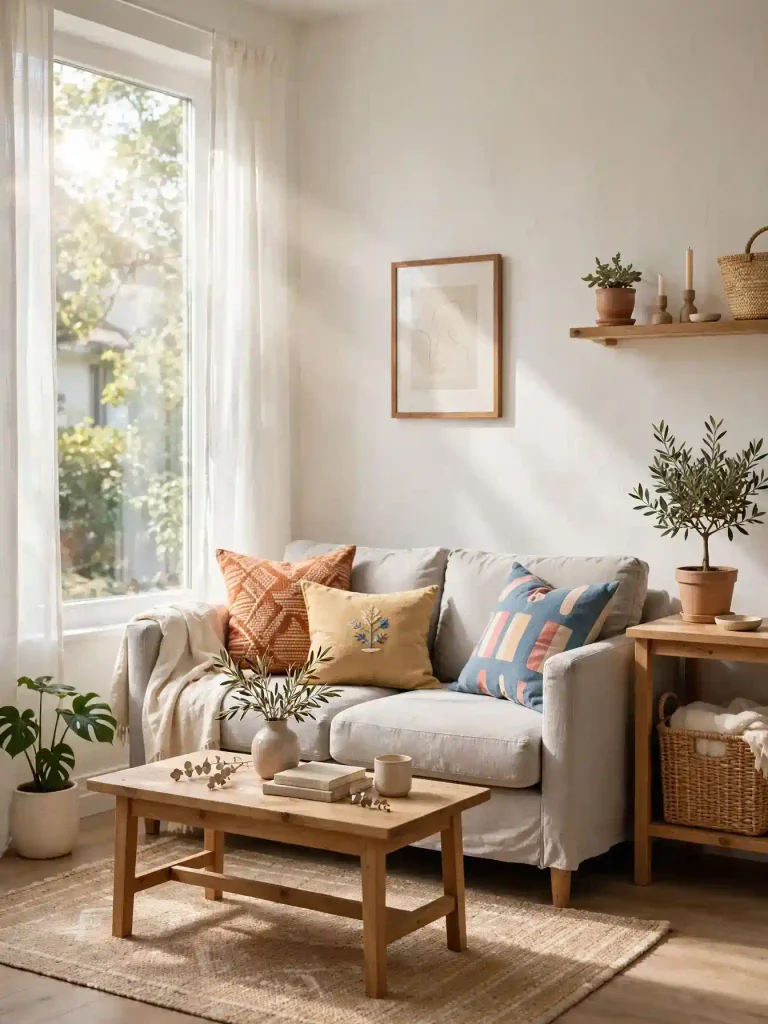
Dark walls look moody in a Pinterest photo, but in a small room, they can make everything feel like it’s closing in. Light, neutral colors—think soft whites, creams, and pale grays—bounce light around and make the room breathe.
This doesn’t mean your space has to look like a sterile hospital room. Add color through pillows, art, or a rug instead of painting every wall in commitment-level dark tones.
4. Use Mirrors to Trick the Eye
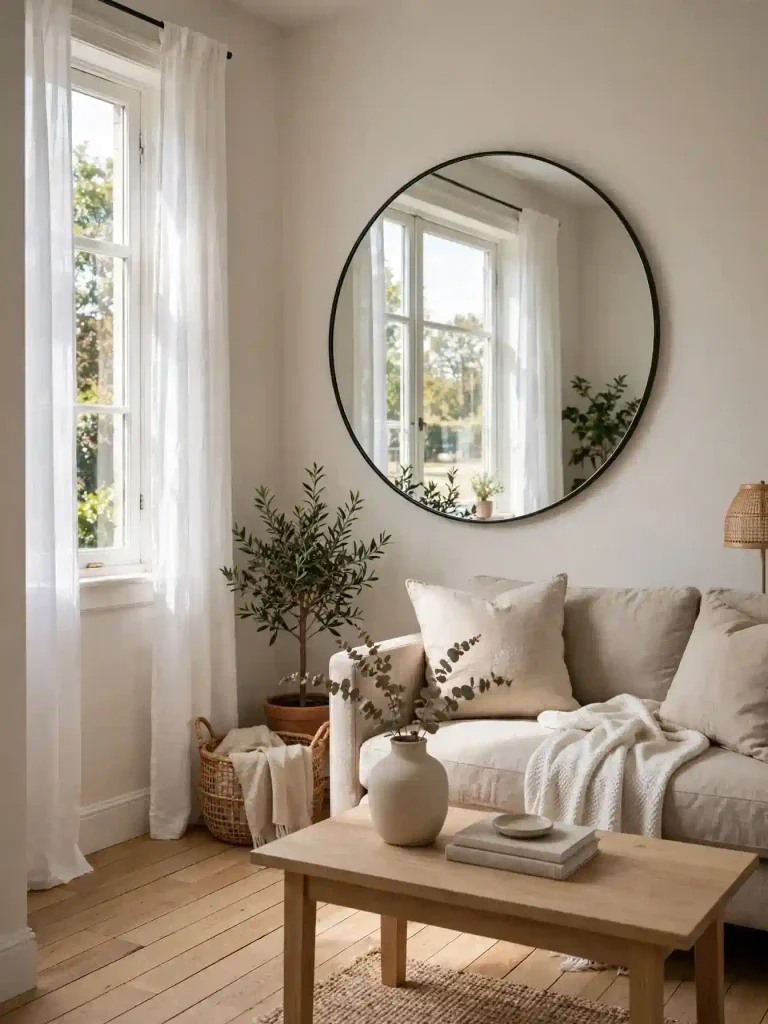
IMO, mirrors are the most underrated trick in small-space design. A large mirror placed across from a window reflects natural light and instantly doubles the sense of depth in the room.
I hung a big round mirror on my narrowest wall, and guests genuinely ask if I knocked down a wall. That’s the power of a well-placed mirror—cheap, effective, and zero renovation required.
5. Float Your Furniture Away From Walls
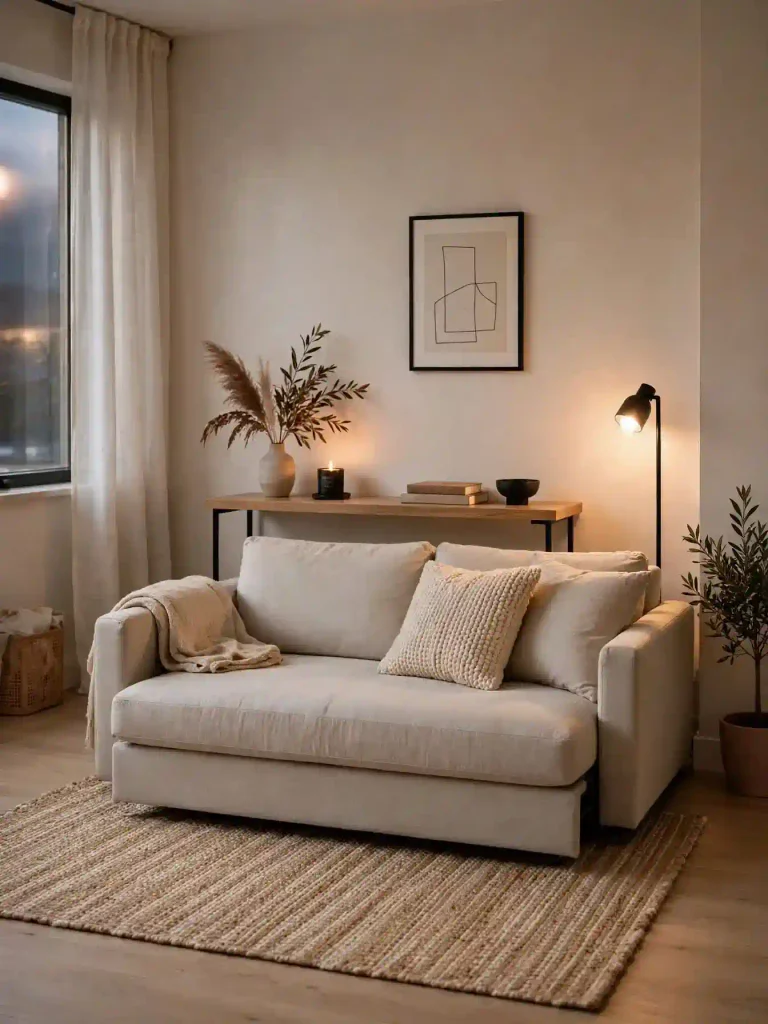
Here’s a counterintuitive one: pushing every piece of furniture against the wall doesn’t always make a room feel bigger. Sometimes floating your furniture slightly and creating a defined seating area makes the space feel more intentional and open.
Try pulling your sofa a few inches off the wall and adding a slim console table behind it. This creates a subtle boundary that tricks the eye into seeing distinct zones instead of one cramped blob.
Why This Trick Works
Small rooms often feel chaotic because everything blends together with no visual structure. Defined zones, even in a tiny footprint, give your brain a sense of order and flow.
6. Pick a Rug That Defines the Space
A tiny rug shoved under the coffee table makes the whole room look smaller, not bigger. Go for a rug that extends under the front legs of your sofa and chairs to visually anchor the seating area.
This simple swap changed how my entire living room felt within a day. The right rug size creates a cohesive look instead of a disjointed one.
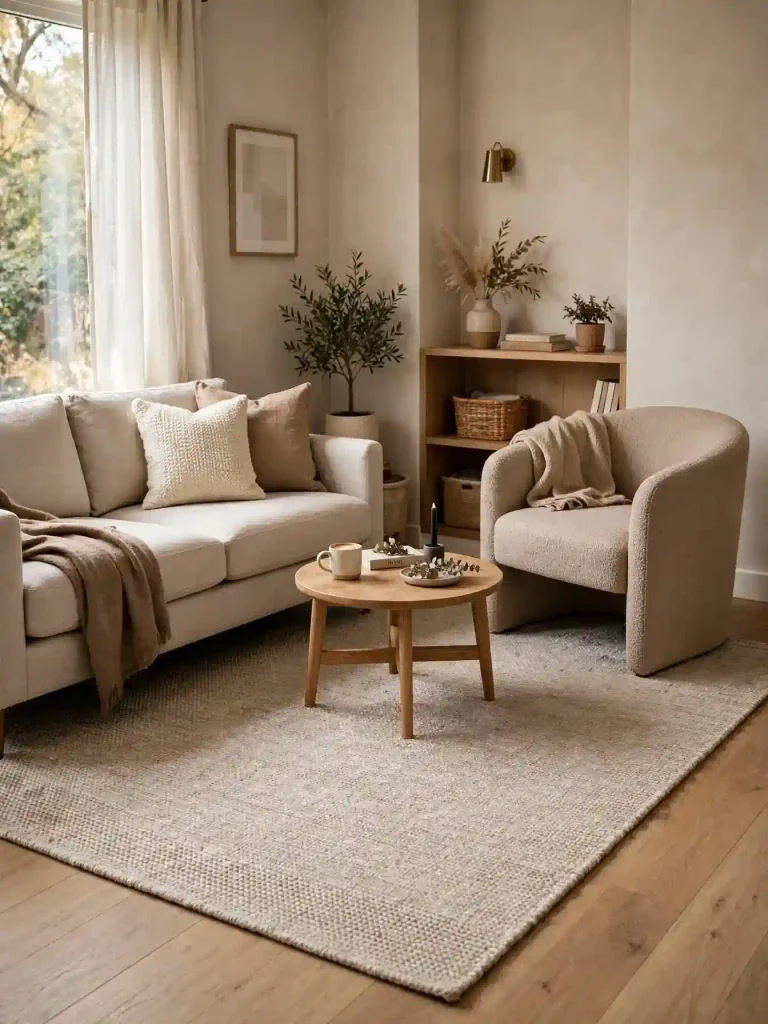
7. Swap Heavy Curtains for Light Fabrics
Thick, heavy drapes might look luxurious in a mansion, but in a small living room, they just block light and add visual bulk. Light, sheer fabrics let sunlight filter through while still giving you privacy.
Hang your curtain rod higher than the window frame too. This makes your ceilings look taller and your windows appear larger than they actually are.
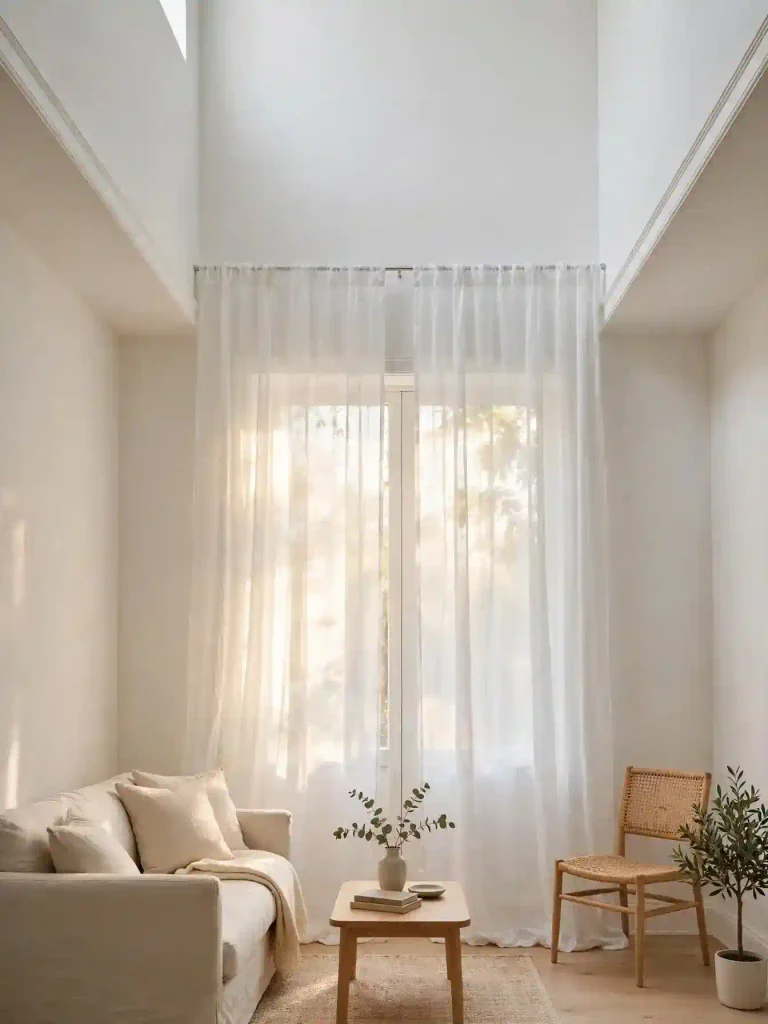
8. Embrace Furniture With Exposed Legs
Furniture with exposed legs lets light pass underneath, which makes the whole room feel more open. A sofa or chair that sits flush to the floor blocks sightlines and makes the space feel heavier.
- Choose sofas with slim, visible legs
- Avoid skirted furniture that touches the floor
- Pick chairs with thin metal or wood frames
- Opt for glass or acrylic tables when possible
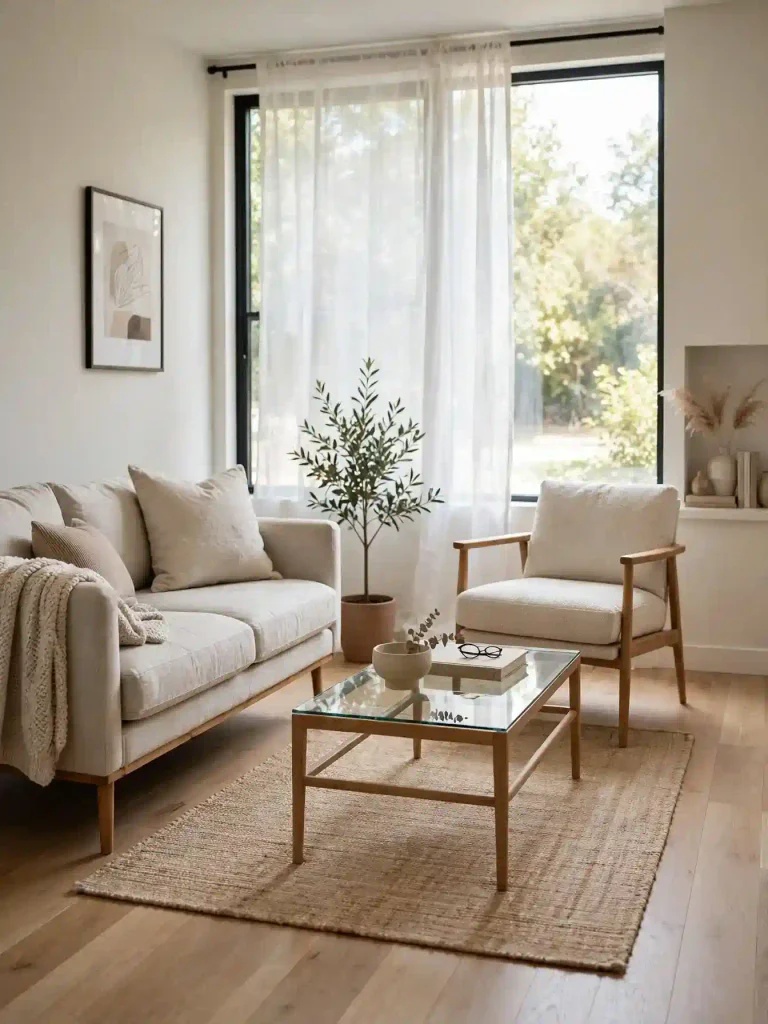
9. Keep the Coffee Table Small or Skip It Entirely
A massive coffee table in a small living room is basically an obstacle course waiting to happen. Consider a small round table or nesting tables you can tuck away when you need extra floor space.
I ditched my bulky rectangular table for two small nesting tables, and suddenly I could actually walk through my living room without doing the sidestep shuffle. Function first, always.
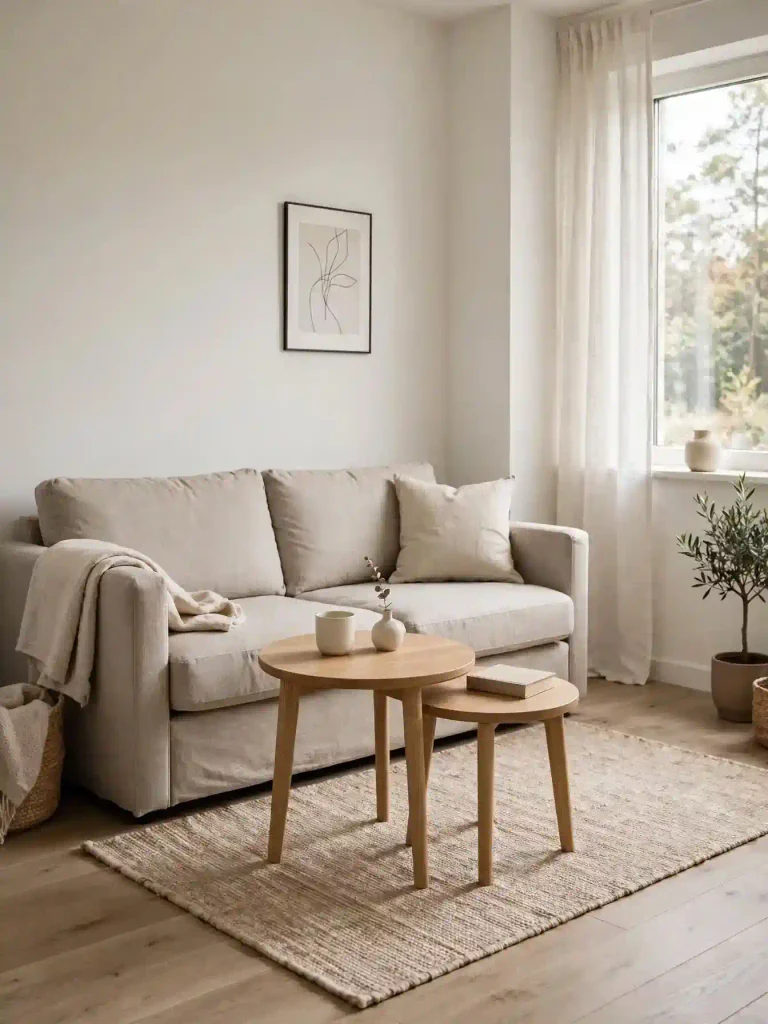
10. Add Layered Lighting Instead of One Overhead Fixture
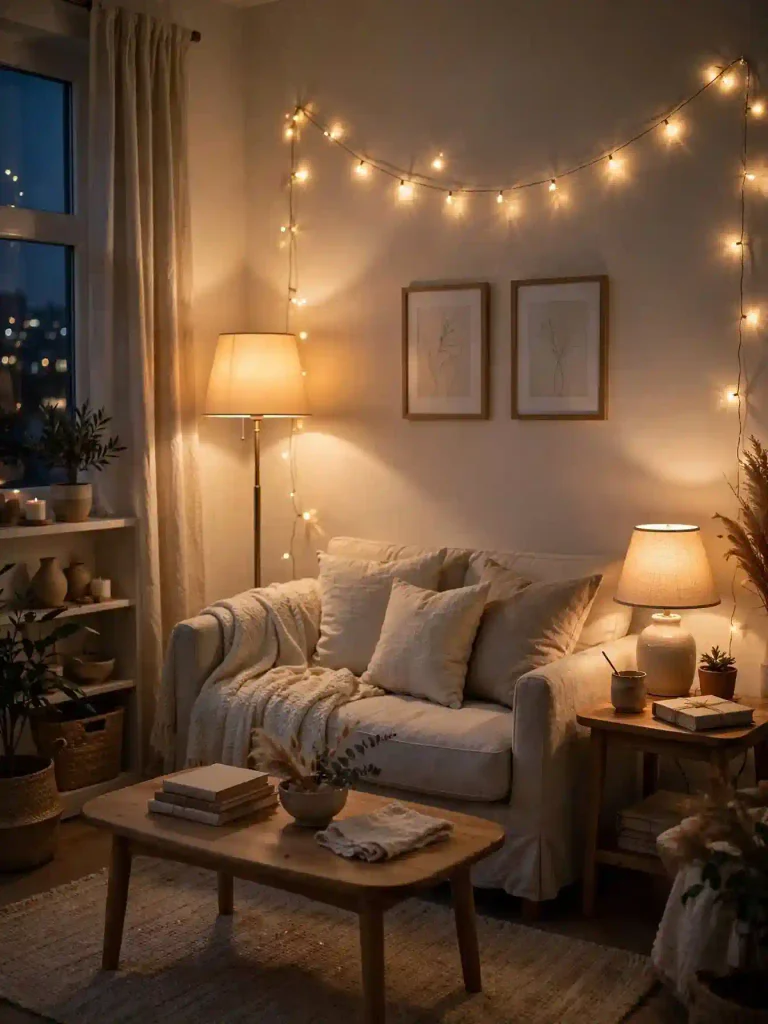
Relying on a single overhead light makes any room, especially a small one, feel flat and uninviting. Layered lighting—a mix of floor lamps, table lamps, and maybe some string lights—adds warmth and dimension.
Different light sources create shadows and depth that a single bulb simply can’t achieve. Ever notice how a room lit with just one harsh overhead light feels like an interrogation scene? Layering fixes that instantly.
11. Use Vertical Stripes or Patterns Strategically
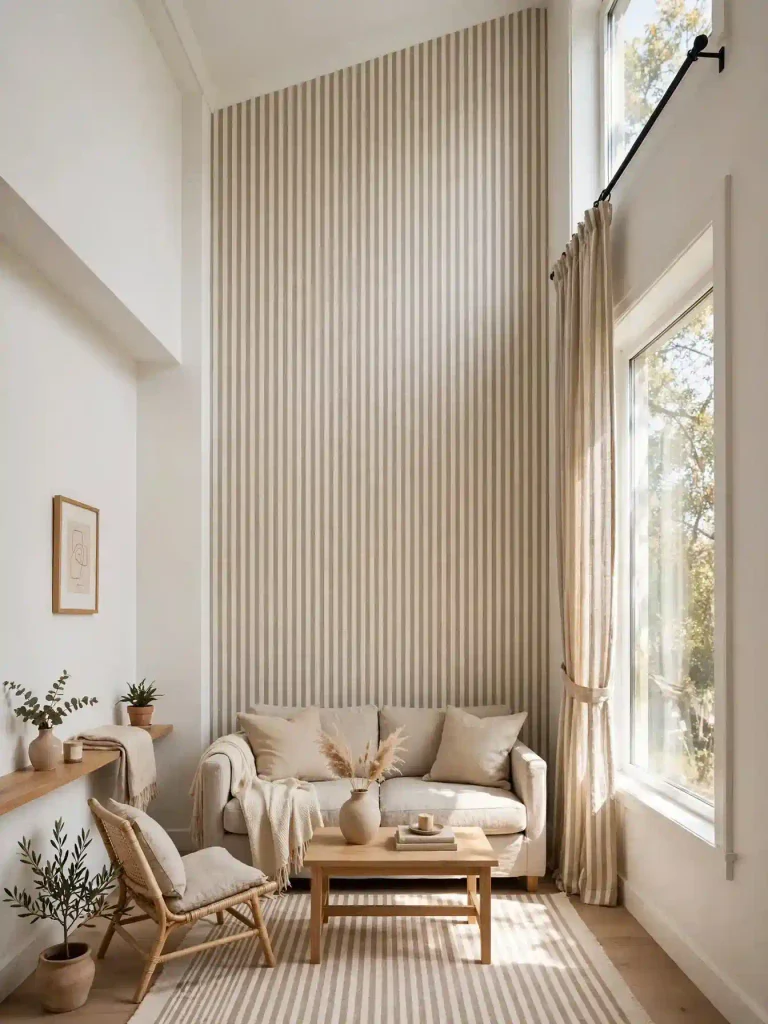
Vertical stripes on a rug, curtain, or accent wall draw the eye upward, creating the illusion of higher ceilings. This is basically the interior design equivalent of wearing vertical stripes to look taller.
Don’t overdo this trick though, since too many patterns in a small space can backfire and feel busy. One statement piece with vertical lines is usually enough to get the visual effect without overwhelming the room.
Quick Recap: What Actually Matters
Before you start rearranging your living room, keep these essentials in mind:
- Go vertical with storage and shelving whenever possible
- Choose multi-functional furniture that earns its square footage
- Stick to light colors and use mirrors to expand the space
- Pick the right-sized rug and let furniture legs show
- Layer your lighting instead of relying on one fixture
Final Thoughts
A small living room doesn’t have to feel small if you make smart, intentional choices. These eleven ideas aren’t about spending a fortune—they’re about working with what you have and making every single inch count.
I’ve applied nearly all of these tricks in my own place, and the transformation genuinely surprised me each time. So next time you’re staring at your cramped living room wondering where to even start, pick one idea from this list and just try it 🙂
FYI, big style doesn’t require big square footage—it just requires a little creativity and the willingness to rearrange your furniture more than once. Now go make your small space work harder for you.