24 Shaggy Mullet Hairstyles You’ll Want to Try ASAP
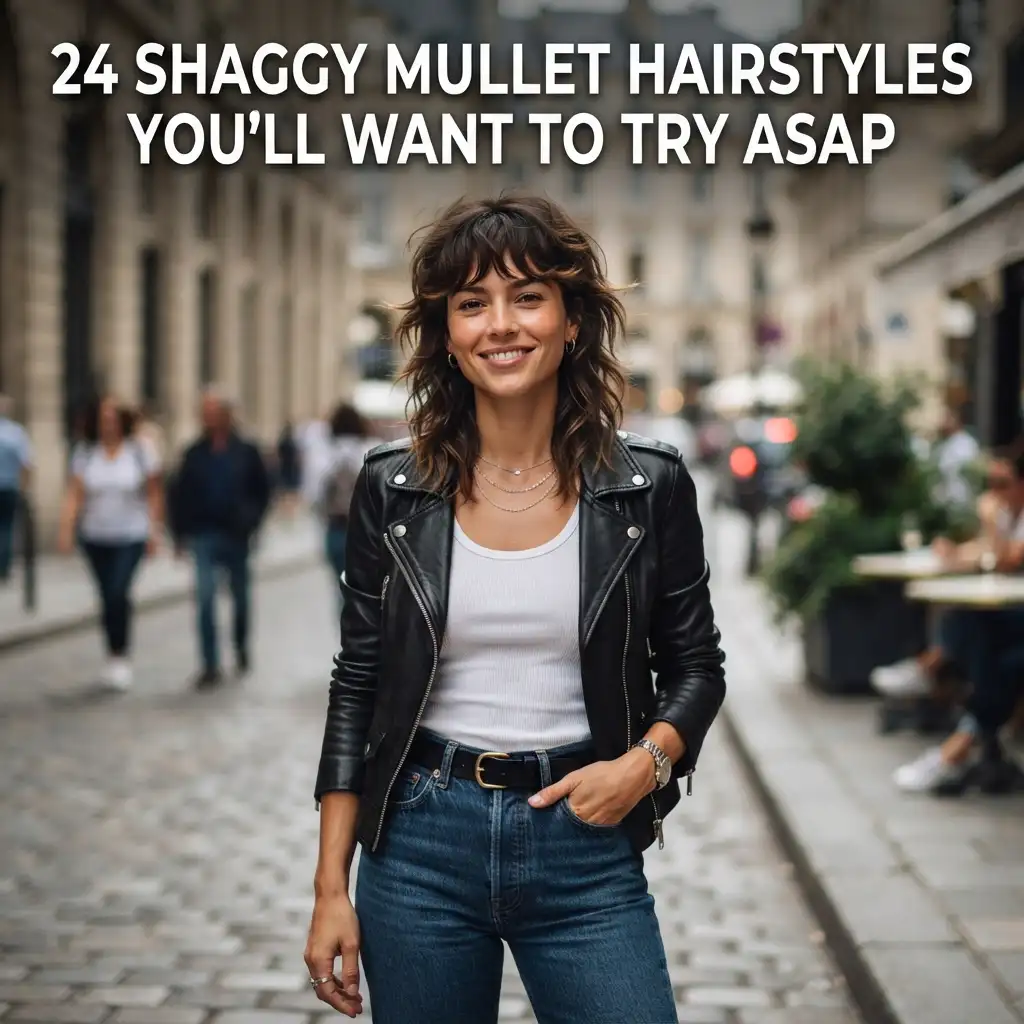
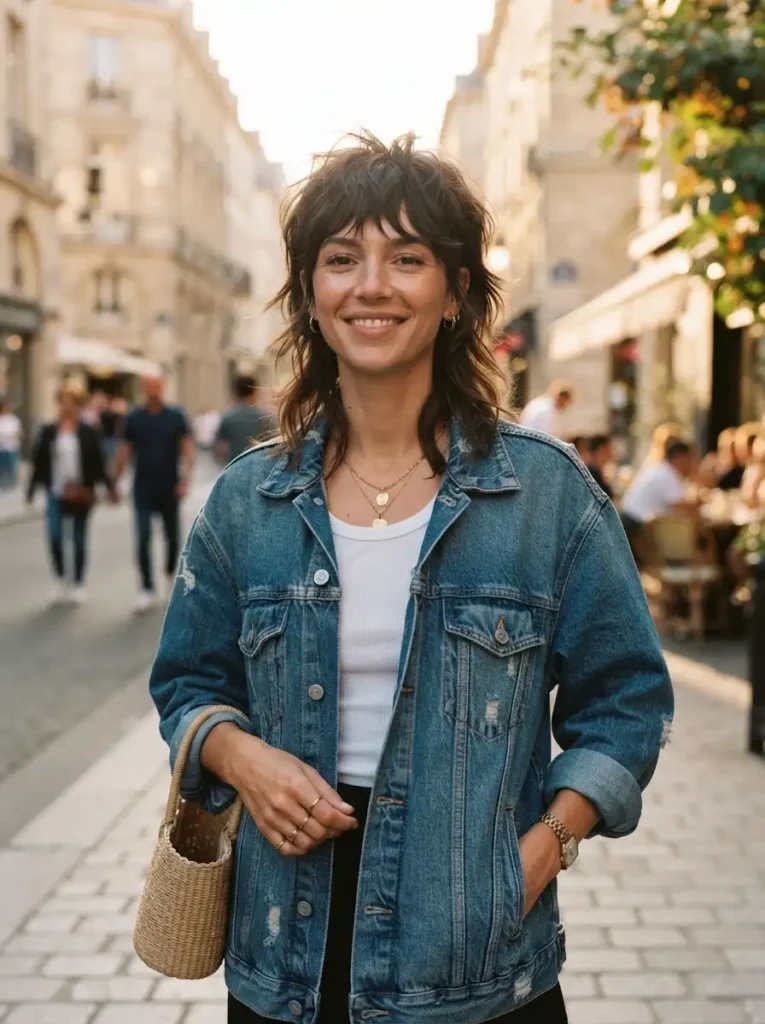
Ready for a haircut that looks cool without looking like you spent two hours trying to make it look cool? The shaggy mullet delivers exactly that effortless, messy, slightly rebellious vibe. It blends the choppy texture of a shag with the unmistakable shape of a mullet.
What I love about this style? You can make it soft and feminine, edgy and bold, or somewhere comfortably in between. So, if you’ve been searching for shaggy mullet hairstyles that feel current and easy to personalize, these 24 ideas should give you plenty of inspiration.
Why Shaggy Mullet Hairstyles Feel So Fresh
The modern shaggy mullet doesn’t follow the extreme mullet shape you might remember from decades ago. Instead, stylists blend shorter layers around the crown with longer, textured pieces toward the back.
That combination creates movement without forcing you into a perfectly styled finish. The haircut actually looks better with a little messiness, which makes it especially appealing if you prefer low-maintenance hair.
Ever had one of those mornings when your hair refuses to cooperate? A shaggy mullet can turn that chaos into part of the hairstyle. Honestly, that’s a pretty good deal.
1. Classic Shaggy Mullet
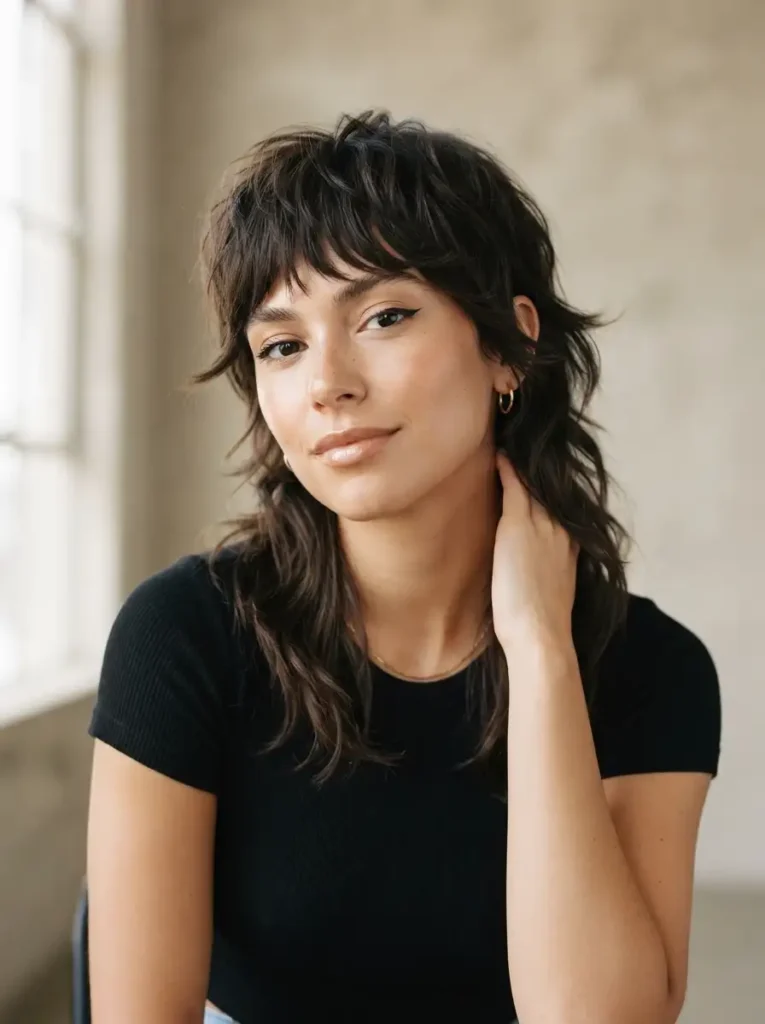
The classic shaggy mullet gives you the perfect introduction to this trend. It features choppy crown layers, soft face-framing pieces, and a longer textured back.
Ask your stylist to keep the transition between the shorter and longer sections soft. That approach creates movement without making the haircut look overly dramatic.
Add a little texturizing spray and scrunch your hair with your fingers. You don’t need a perfectly polished finish for this style to work.
2. Short Shaggy Mullet
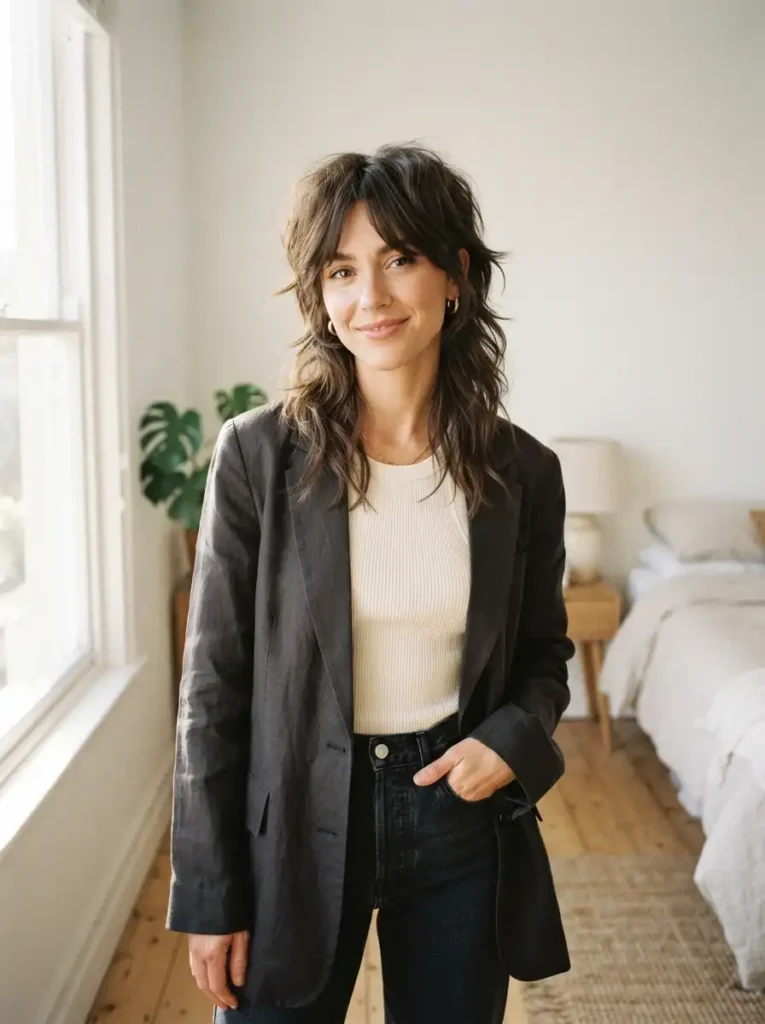
Want the mullet shape without committing to lots of length? Try a short shaggy mullet with cropped sides, a textured crown, and a slightly longer nape.
This version feels especially fresh and modern. It also works beautifully with naturally wavy or slightly tousled hair.
Use a lightweight styling cream to separate the layers. The result feels playful, confident, and wonderfully unfussy.
3. Long Shaggy Mullet
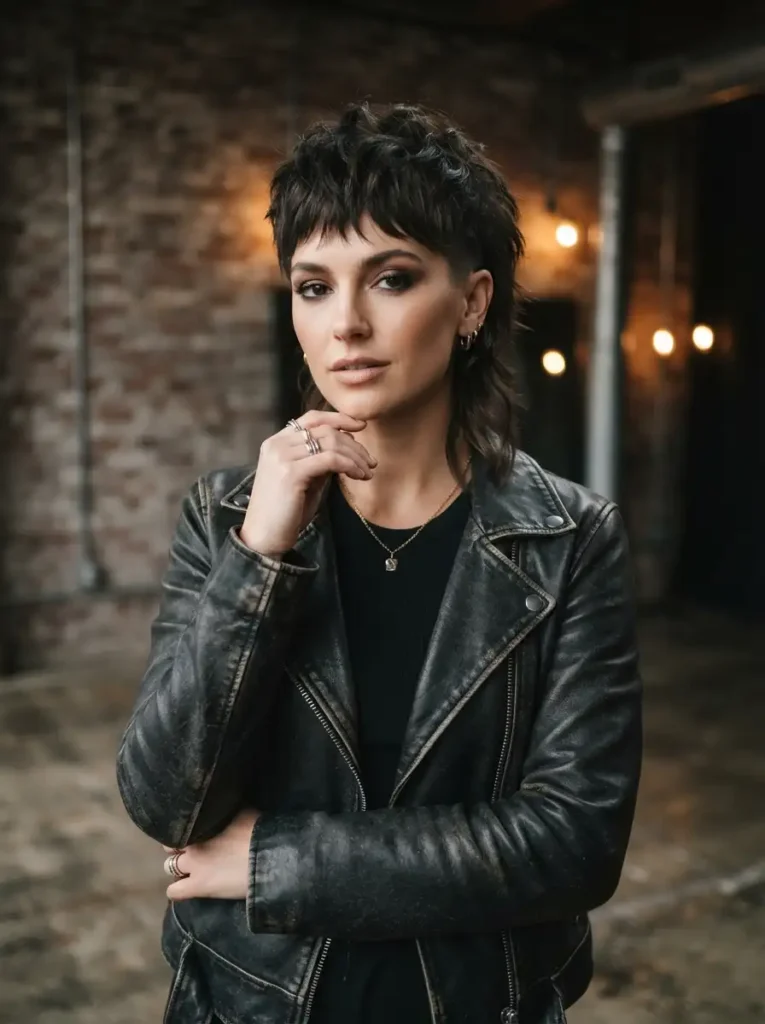
A long shaggy mullet gives you more length while keeping the choppy texture that defines the style. Ask for longer pieces around the back and plenty of movement through the crown.
This option works particularly well if you don’t want to lose your existing length. You get the personality of a mullet without going for a super-short haircut.
Soft waves can make the layers stand out even more. Try a curling wand on a few sections and leave the ends slightly undone.
4. Shaggy Mullet With Curtain Bangs
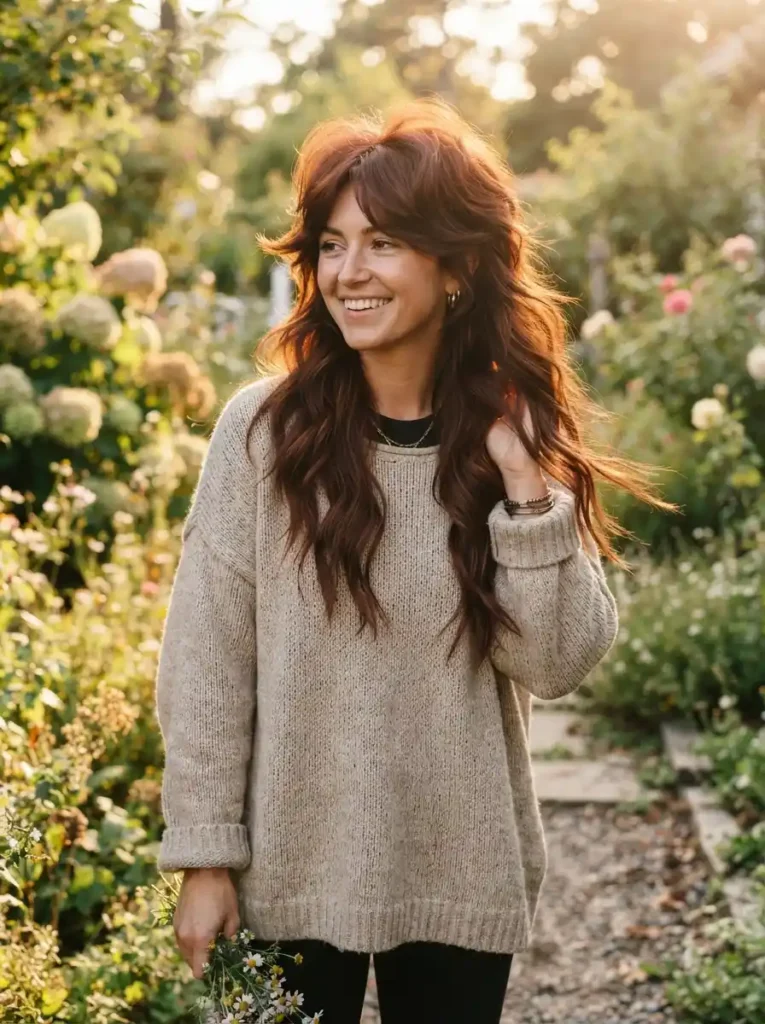
Curtain bangs pair beautifully with a shaggy mullet. The bangs create a soft frame around your eyes while the layers add movement through the rest of the hair.
Ask your stylist to blend the curtain bangs into your cheekbone-length layers. This creates a seamless transition rather than a disconnected fringe.
The look feels relaxed and slightly retro without looking dated. If you love ’70s-inspired hair, this combination deserves a spot on your mood board.
5. Shaggy Mullet With Wispy Bangs
Prefer something lighter around the forehead? Try wispy bangs with your shaggy mullet.
The delicate fringe keeps the hairstyle from feeling too heavy. Choppy layers around the crown and sides add the right amount of attitude.
This version suits people who want a softer interpretation of the trend. IMO, it’s one of the easiest versions to wear every day.
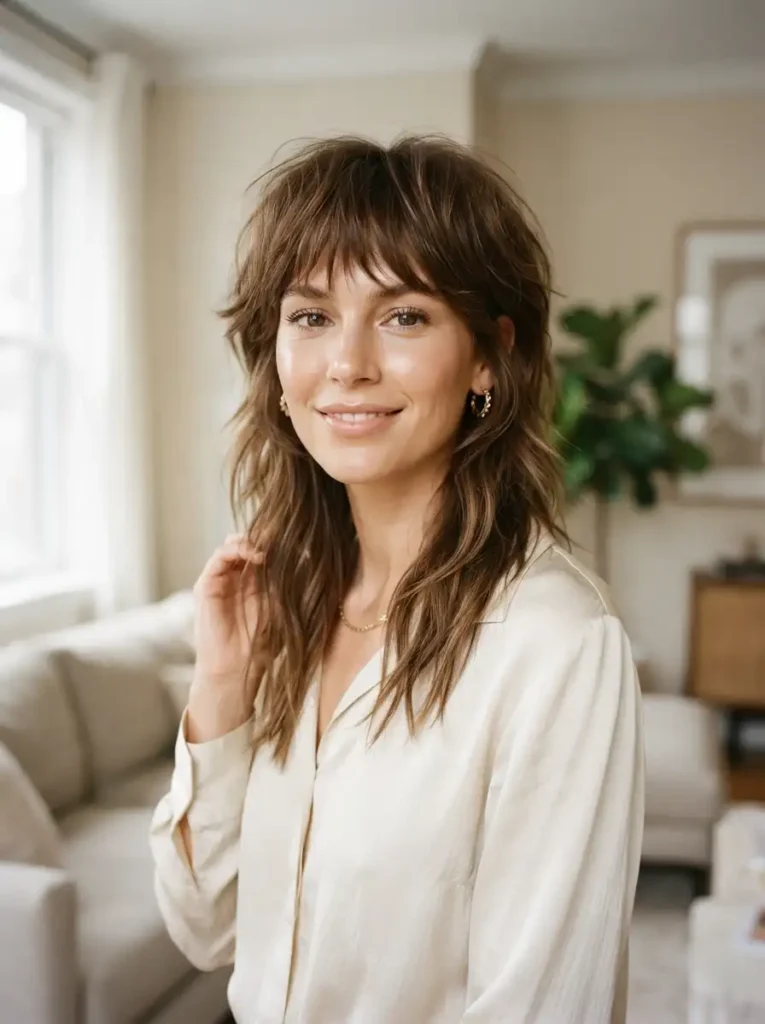
6. Curly Shaggy Mullet
Curly hair can make a shaggy mullet look incredibly dynamic. The natural curl pattern gives every layer extra volume and personality.
Ask your stylist to shape the haircut around your natural curl pattern rather than cutting it like straight hair. That approach helps your curls sit naturally as they grow.
Use a curl cream and lightweight gel to define the texture. Avoid heavy products that flatten your curls and steal the haircut’s movement.
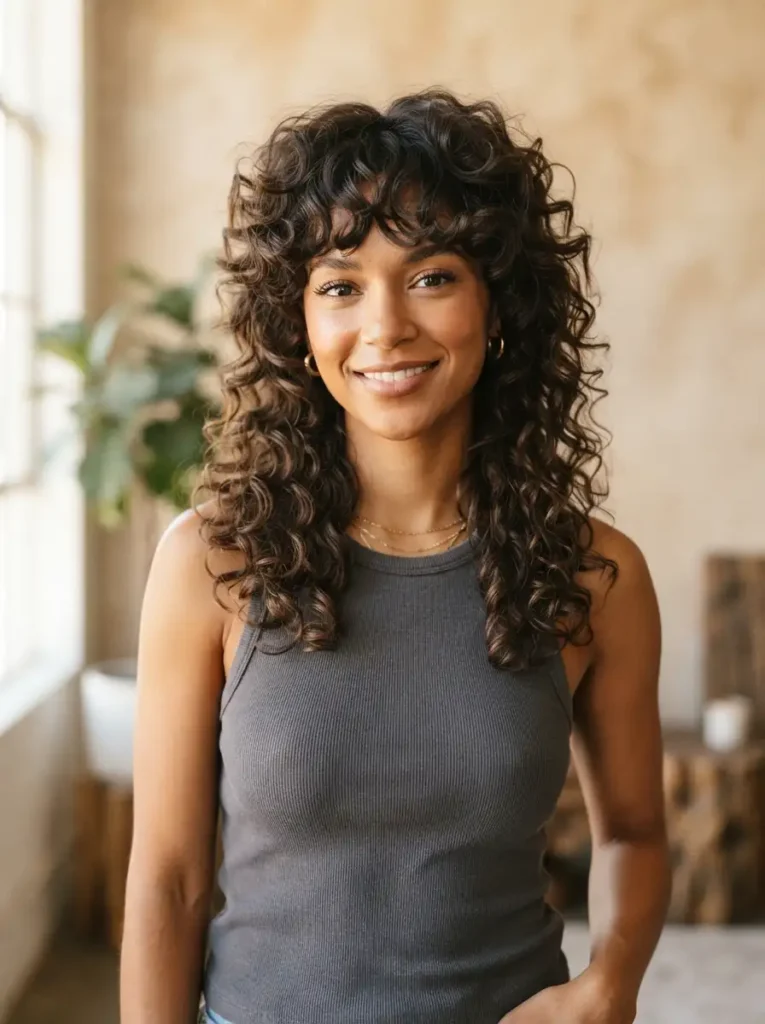
7. Wavy Shaggy Mullet
Natural waves create the perfect texture for a shaggy mullet. The layers encourage your waves to move instead of sitting flat against your head.
Ask for medium-length layers around the crown and longer textured pieces through the back. You can air-dry the hair or use a diffuser for extra definition.
A little sea-salt spray can enhance the natural wave. Just don’t overdo it unless you want your hair to feel like it spent the afternoon swimming in the ocean.

8. Shaggy Mullet With Face-Framing Layers
Face-framing layers can make a shaggy mullet feel softer and more flattering. Ask your stylist to start the shortest pieces around the cheekbones or jawline.
The layers then flow into the choppy crown and longer back. This creates a balanced silhouette that doesn’t feel too severe.
This version works especially well if you want movement around your face. The face-framing pieces also give you plenty of styling flexibility.
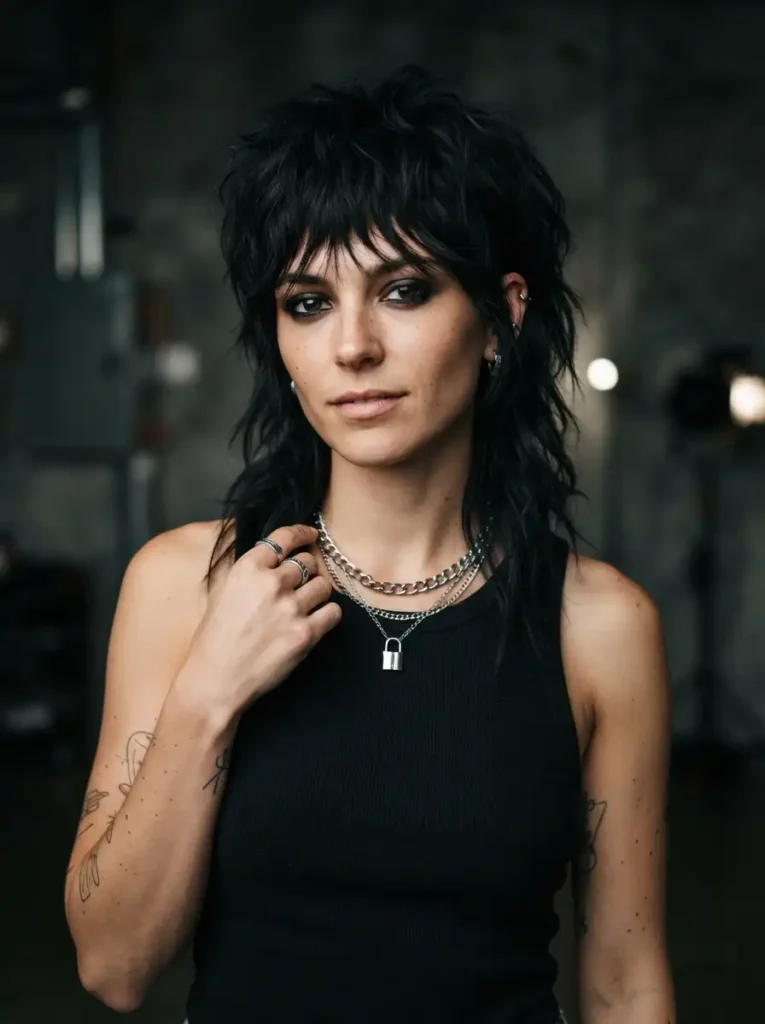
9. Blonde Shaggy Mullet
Blonde hair can make the layers of a shaggy mullet look especially airy and textured. Try a warm honey blonde, creamy beige, or dimensional blonde depending on your preferred aesthetic.
Ask for subtle highlights if you want additional depth. The lighter pieces can emphasize individual layers without creating a striped appearance.
Keep the styling relaxed with loose waves. The combination creates that effortless “I woke up like this” look, minus the questionable morning hair.
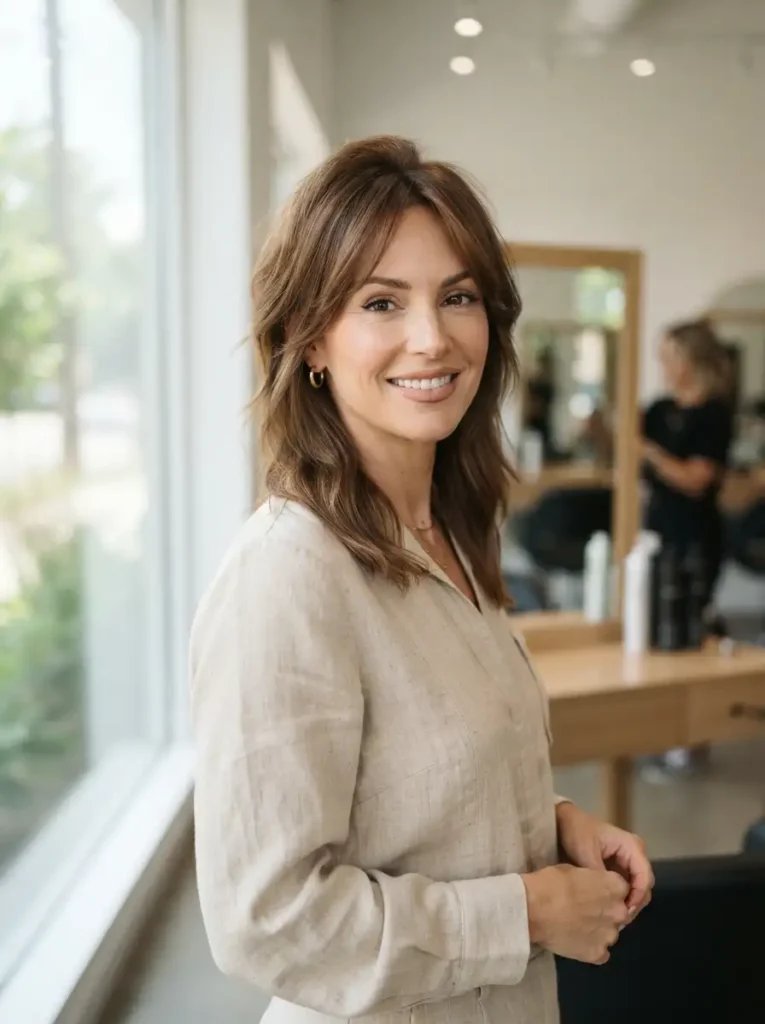
10. Brunette Shaggy Mullet
A rich brunette shaggy mullet offers a more understated take on the trend. Deep chocolate, espresso, or warm chestnut tones can make the hairstyle feel sophisticated.
The texture provides enough visual interest even when you keep the color simple. Add subtle caramel highlights if you want extra dimension.
Use a shine-enhancing cream on the ends. Glossy brunette color and messy layers create a gorgeous contrast.
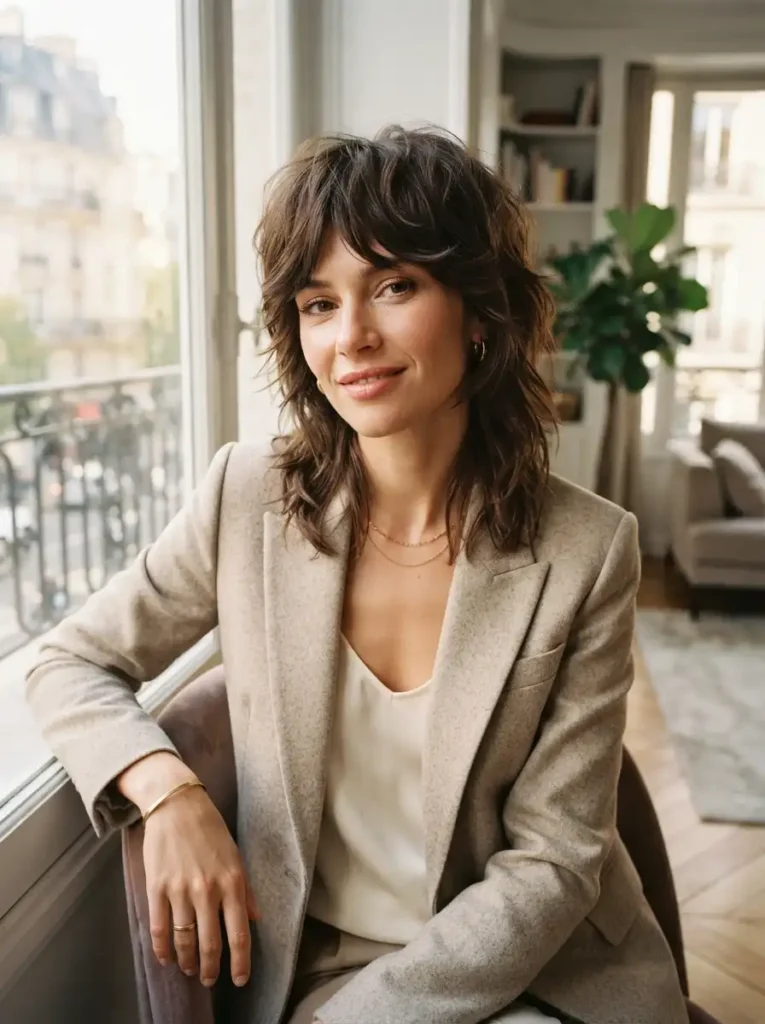
11. Shaggy Mullet With Choppy Bangs
Choppy bangs take the edgy factor up a notch. They work especially well when you want your haircut to feel bold rather than polished.
Keep the bangs uneven and textured instead of perfectly straight. That small detail helps them blend with the rest of the haircut.
Pair the look with natural texture for maximum impact. A little styling paste can separate individual pieces and emphasize the choppy finish.
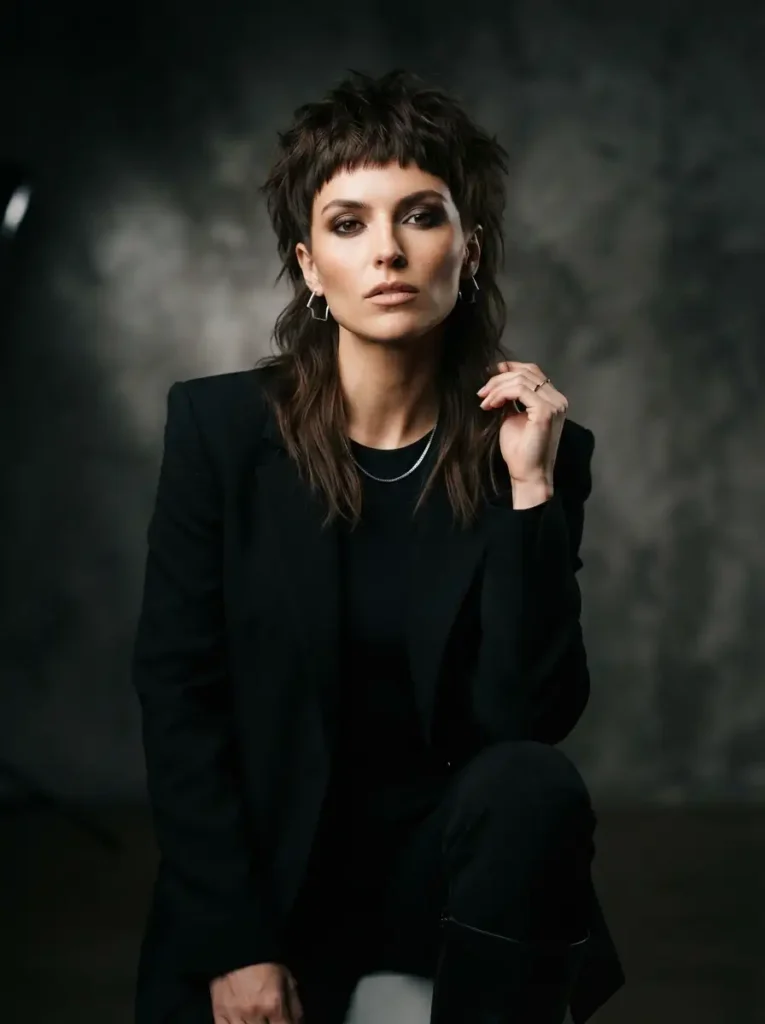
12. Soft Shaggy Mullet
Not every mullet needs to look rebellious. A soft shaggy mullet uses longer transitions, subtle layers, and gentle face-framing pieces.
This version works beautifully if you want to experiment with the trend without making a dramatic change. You can also style it smoothly for a more polished appearance.
Soft layers give you versatility, especially if you switch between casual and professional hairstyles.

13. Shaggy Mullet With Micro Bangs
Micro bangs create a striking contrast with the longer back of a shaggy mullet. They immediately draw attention toward your eyes and give the haircut a fashion-forward edge.
Keep the crown heavily textured so the bangs don’t look disconnected. The layers should create a cohesive shape around the entire head.
This style suits anyone who enjoys making a statement. It’s definitely not a “blend into the crowd” haircut, and that’s the point.
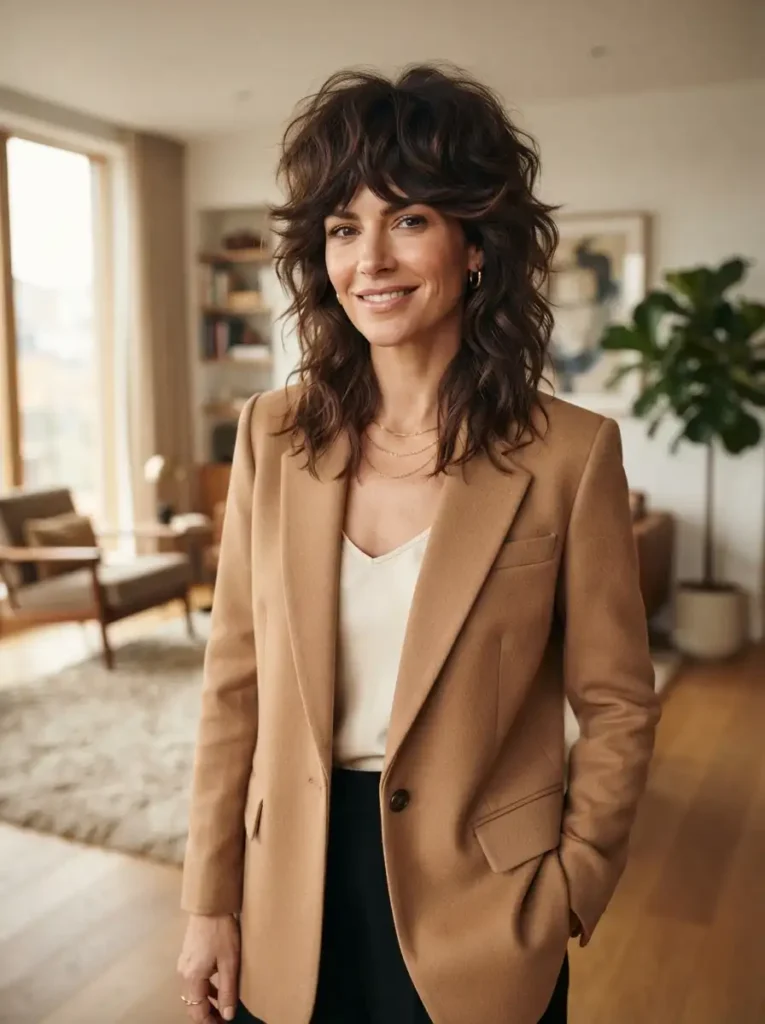
14. Shaggy Mullet With Piecey Layers
Piecey layers create definition throughout the haircut. Ask your stylist to add visible texture around the crown, sides, and nape.
Use a lightweight wax or texture cream to separate individual pieces. A little product goes a long way with this haircut.
This version looks particularly great with medium-density hair. The layers create the appearance of extra movement without adding unnecessary weight.
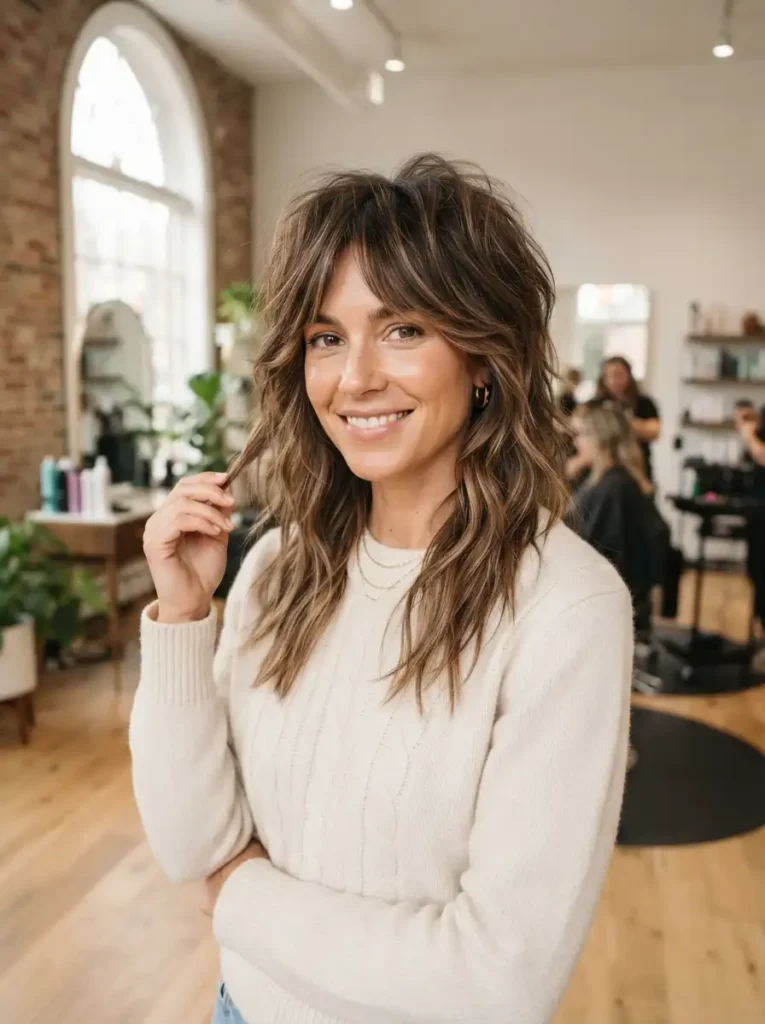
15. Shaggy Mullet With Side-Swept Bangs
Side-swept bangs offer a softer alternative to blunt or choppy fringe. They create diagonal movement across the forehead and blend beautifully into face-framing layers.
This option works well if you’re nervous about committing to a full fringe. You can easily sweep the bangs away from your face when you want a different look.
Try a round brush while blow-drying the bangs. Finish with a light-hold spray to keep them in place without making them stiff.
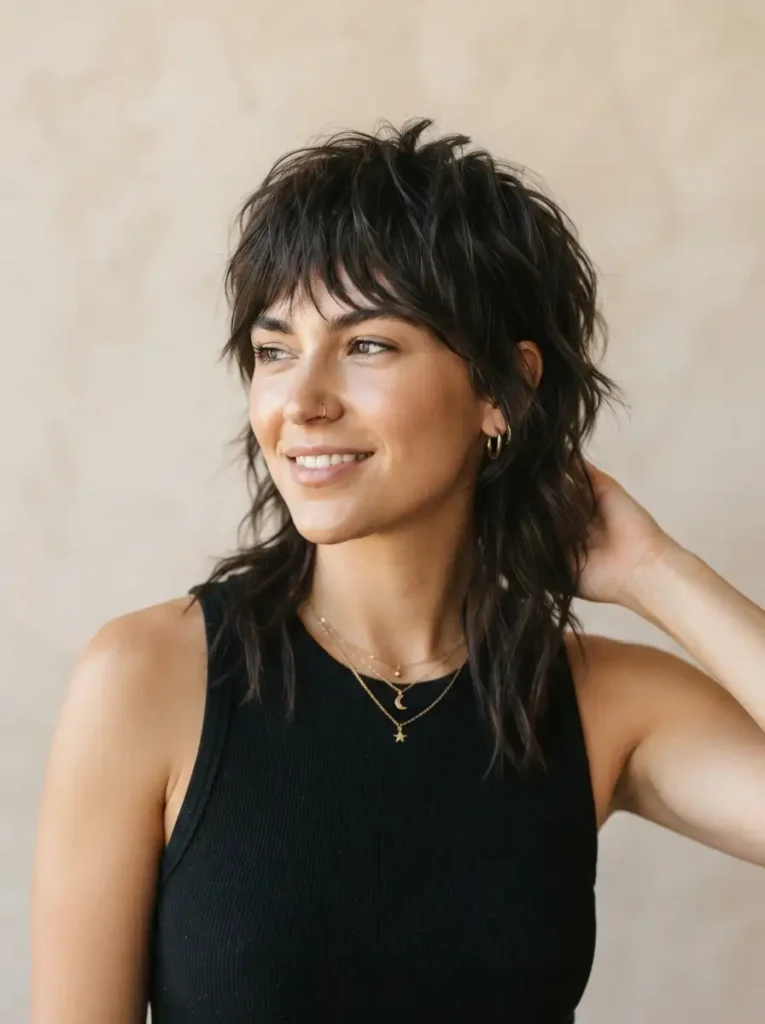
16. Shaggy Mullet for Fine Hair
A shaggy mullet can give fine hair the appearance of more movement. Strategic layers create texture and prevent the hair from hanging flat.
However, ask your stylist not to remove too much weight. Over-layering fine hair can make the ends look thinner, so balance matters.
A volumizing mousse at the roots can help create lift. Blow-dry with your head slightly tilted forward for extra volume.
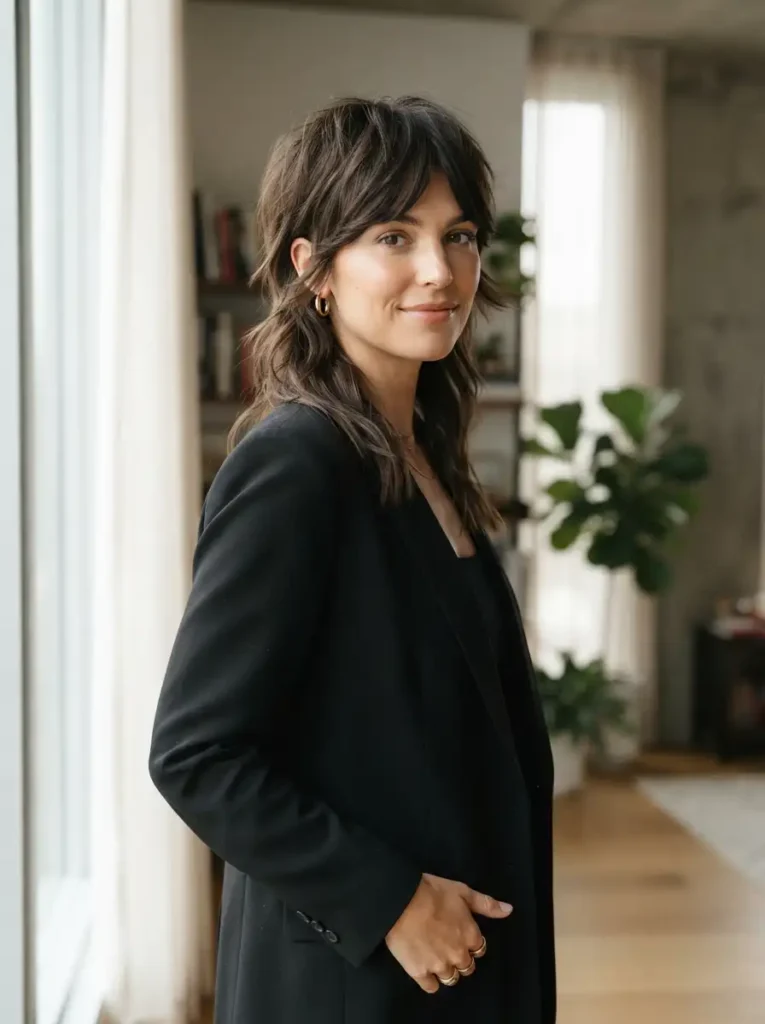
17. Shaggy Mullet for Thick Hair
Thick hair can carry a bold shaggy mullet beautifully. Your stylist can remove strategic weight while keeping enough density to support the shape.
Textured layers help distribute volume throughout the haircut. That approach prevents the crown from becoming excessively bulky.
Ask for internal layering if your hair feels particularly heavy. The technique can create movement without sacrificing your overall length.
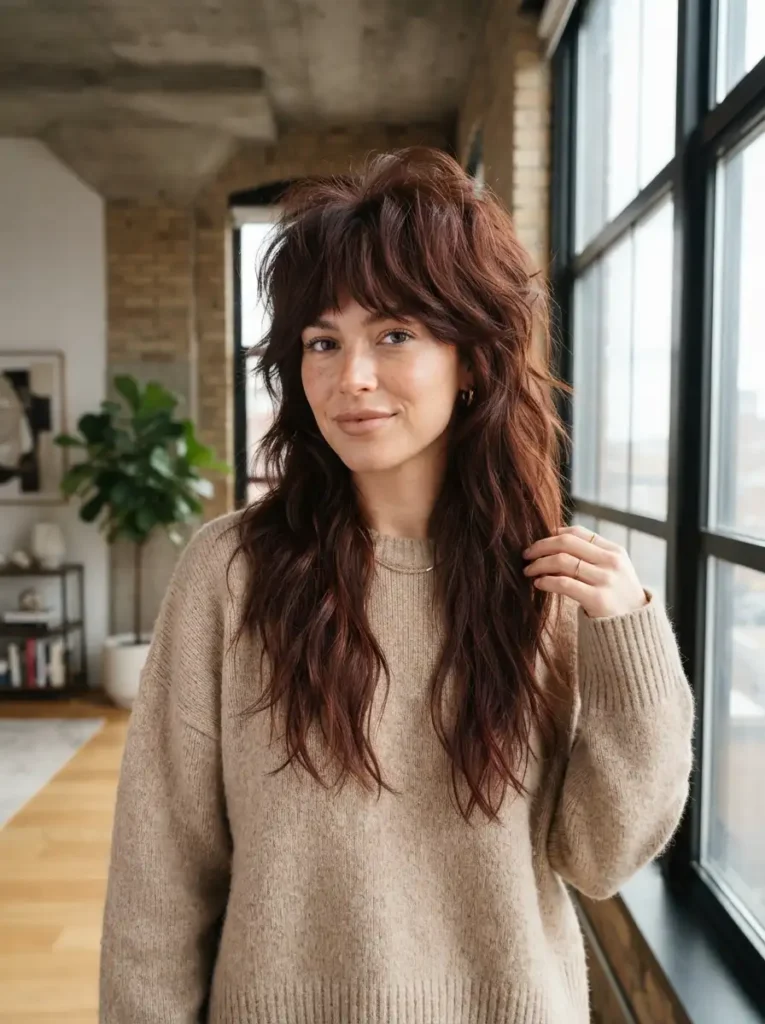
18. Shaggy Mullet With Money-Piece Highlights
Want to make your haircut stand out even more? Add brighter face-framing highlights to your shaggy mullet.
The lighter pieces immediately emphasize the bangs and face-framing layers. You can choose subtle caramel highlights or a much bolder blonde contrast.
Color placement matters more than simply adding lots of highlights. Strategic pieces can make the haircut look more dimensional and intentional.
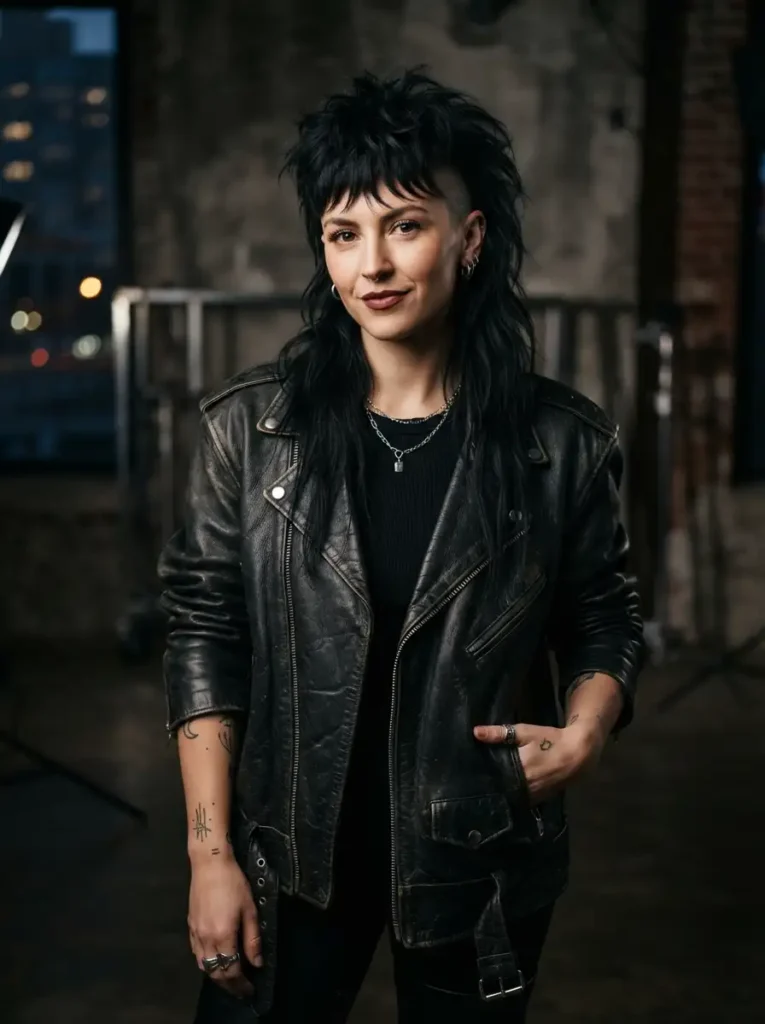
19. Copper Shaggy Mullet
Copper hair and shaggy layers make a seriously eye-catching combination. Warm copper tones emphasize the texture while giving the haircut a vibrant personality.
Choose a soft strawberry copper if you prefer a subtle look. Go for a deeper fiery copper if you want something more dramatic.
Keep the styling loose and textured. The combination of color and movement does most of the work.
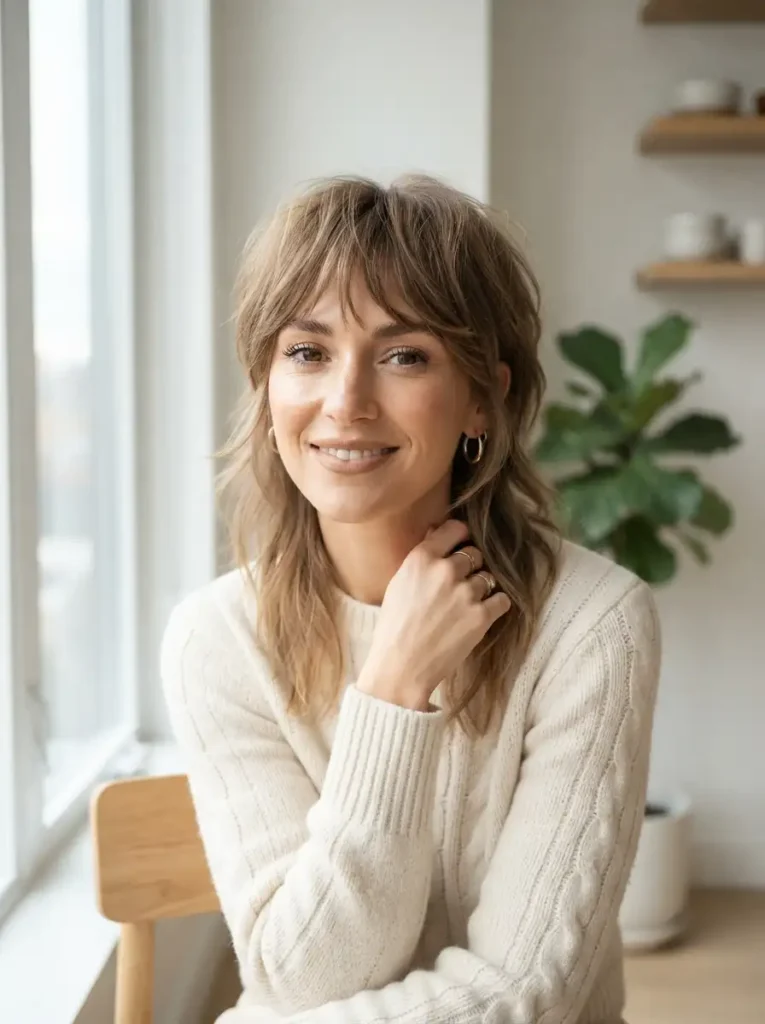
20. Black Shaggy Mullet
A deep black shaggy mullet creates a striking, slightly dramatic appearance. The dark color emphasizes the contrast between the shorter crown and longer back.
Add subtle texture through the ends to keep the style from looking too heavy. Soft waves can also create dimension within the darker color.
This version pairs especially well with bold makeup, minimalist outfits, or edgy accessories.
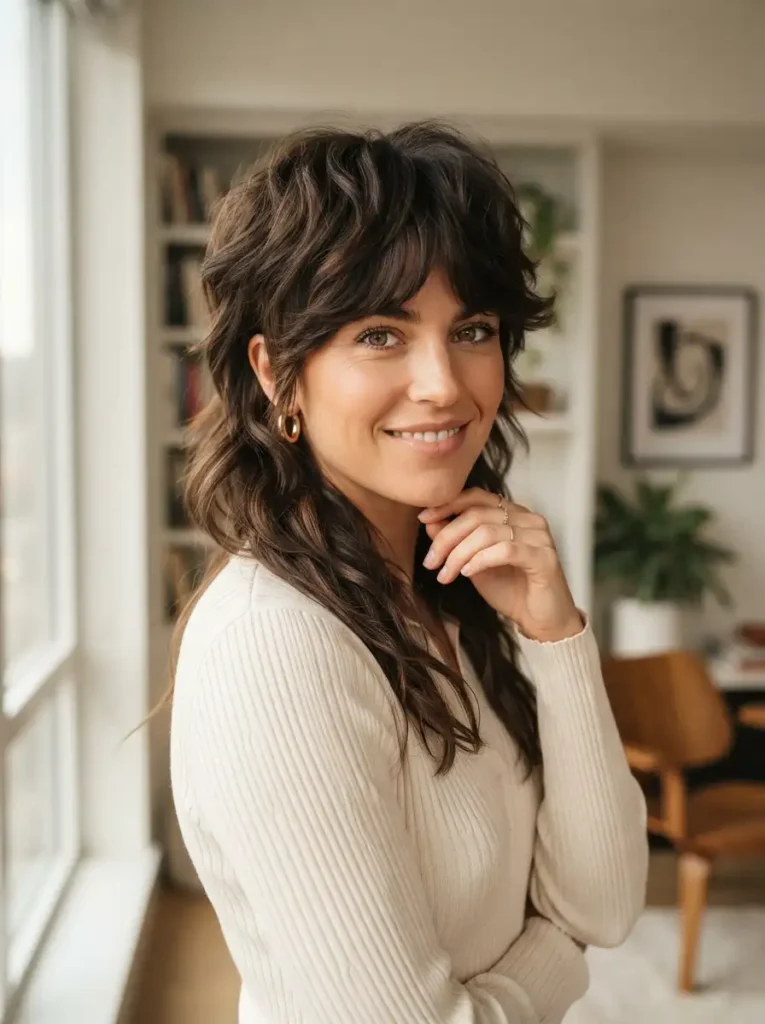
21. Shaggy Mullet With Razor Texture
Razor-cut texture creates an especially airy finish. Stylists can use the technique to create wispy ends and lightweight movement.
This option works particularly well if you want a softer, more undone aesthetic. The ends look intentionally imperfect rather than blunt.
Razor texture can make thick hair feel lighter, although your stylist should choose the technique based on your hair type and condition.
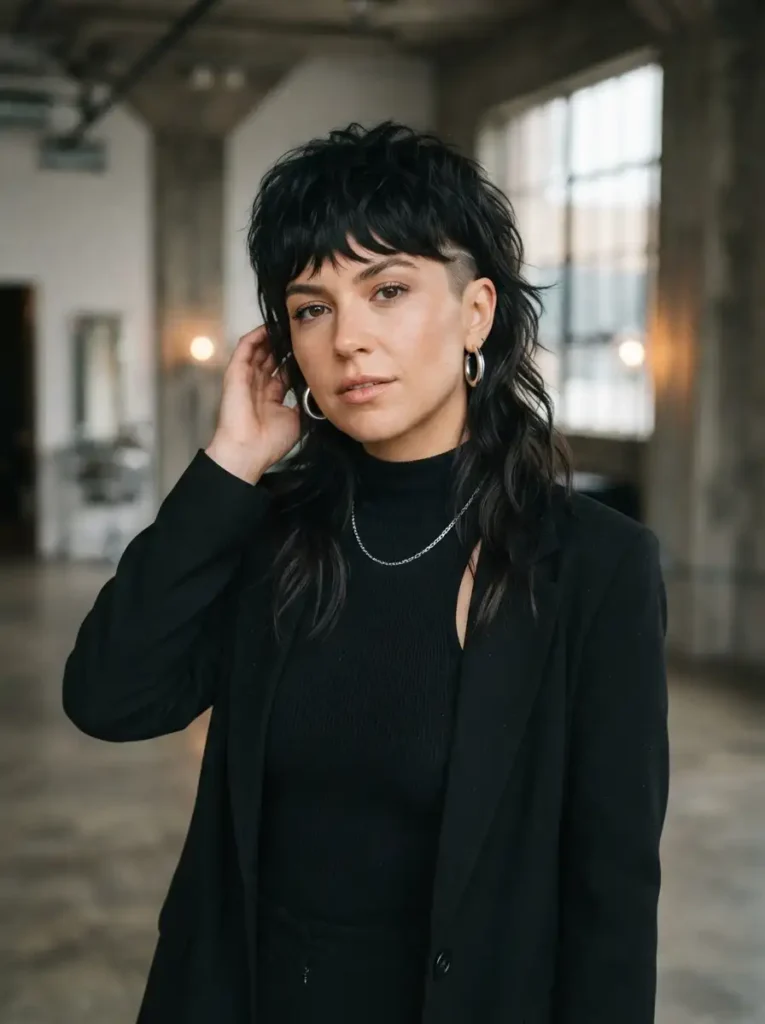
22. Shoulder-Length Shaggy Mullet
A shoulder-length shaggy mullet offers an excellent middle ground. You get enough length for ponytails and other styles while keeping the signature layered shape.
Ask for shorter layers around the crown and longer pieces that reach the shoulders. This creates movement without making the back dramatically long.
Try loose waves for a relaxed finish. You can also straighten the hair when you want a sleeker appearance.
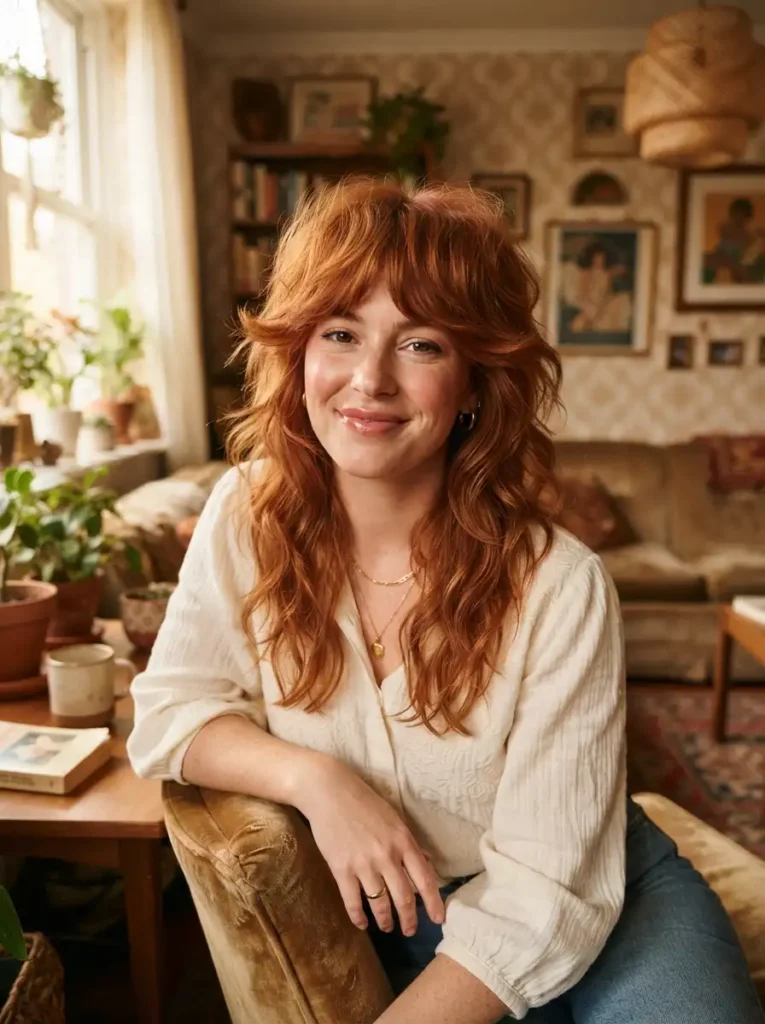
23. Shaggy Mullet With Colorful Ends
Feeling adventurous? Add a pop of color to the ends of your shaggy mullet.
Try burgundy, purple, pink, blue, or even a subtle pastel shade. The textured layers give the color multiple levels to show through.
This approach works particularly well if you want temporary color without changing your entire look. The ends let you experiment while keeping the roots natural.

24. Messy Textured Shaggy Mullet
If you want the ultimate low-effort version, choose a messy textured shaggy mullet. Keep the layers choppy and let your natural texture take center stage.
Apply a small amount of texture cream, scrunch your hair, and let it air-dry. You don’t need to make every strand behave perfectly.
That imperfect finish gives the haircut its personality. Sometimes your hair doesn’t need another meeting with a flat iron.
How to Choose the Right Shaggy Mullet
Before you book your haircut, think about your hair texture, maintenance routine, and desired level of drama. A stylist can adjust the layers to make the haircut work for your natural hair.
Consider these factors:
- Hair texture: Curly, wavy, straight, and fine hair can all support different versions.
- Length: Decide whether you want a short, medium, shoulder-length, or long variation.
- Bangs: Choose curtain, wispy, choppy, side-swept, or micro bangs.
- Maintenance: More dramatic layers may require more frequent trims.
- Styling: Decide whether you want an air-dried look or a more polished finish.
How to Style a Shaggy Mullet at Home
The beauty of this haircut lies in its texture, so you don’t need complicated styling tools. Start with damp hair and apply a lightweight mousse or texturizing cream.
Use your fingers to scrunch the layers and encourage natural movement. If you have waves or curls, use a diffuser on low heat.
For straight hair, add loose bends with a curling wand and leave the ends slightly straight. Finish with texture spray instead of heavy hairspray to keep the hair flexible.
How Often Should You Trim a Shaggy Mullet?
A shaggy mullet generally benefits from regular trims to maintain its shape. Many people can schedule a trim around every six to ten weeks depending on how quickly their hair grows.
If you have bangs, you may need more frequent maintenance. Bangs can change shape quickly as they grow, especially when you want a precise length.
If you’re growing out the haircut, tell your stylist. They can adjust the layers instead of simply cutting everything back to the original shape.
Final Thoughts
These 24 shaggy mullet hairstyles prove that one haircut can create an impressive range of looks. You can choose a soft version with curtain bangs, a bold style with micro bangs, a curly variation, or a messy textured cut that practically styles itself.
The best shaggy mullet should match your personality, hair texture, and lifestyle. Don’t choose the most dramatic version simply because it looks amazing in a photo; choose the version that you’ll actually enjoy wearing.
So, are you ready to give your hair a little more attitude? Pick your favorite shaggy mullet, show your stylist the reference photo, and let those layers do their thing. Your hair doesn’t need to behave perfectly to look fantastic.