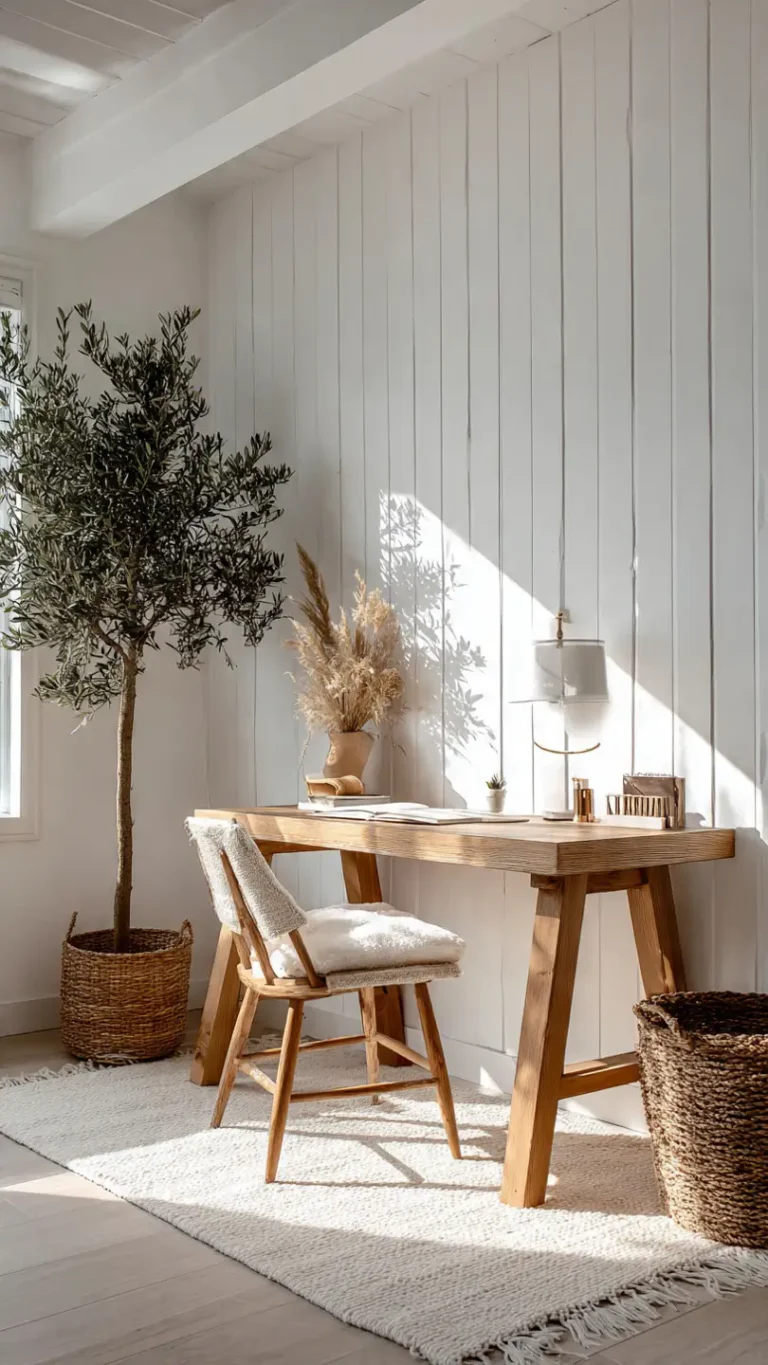
17 Home Decor Ideas That Designers Secretly Love Using
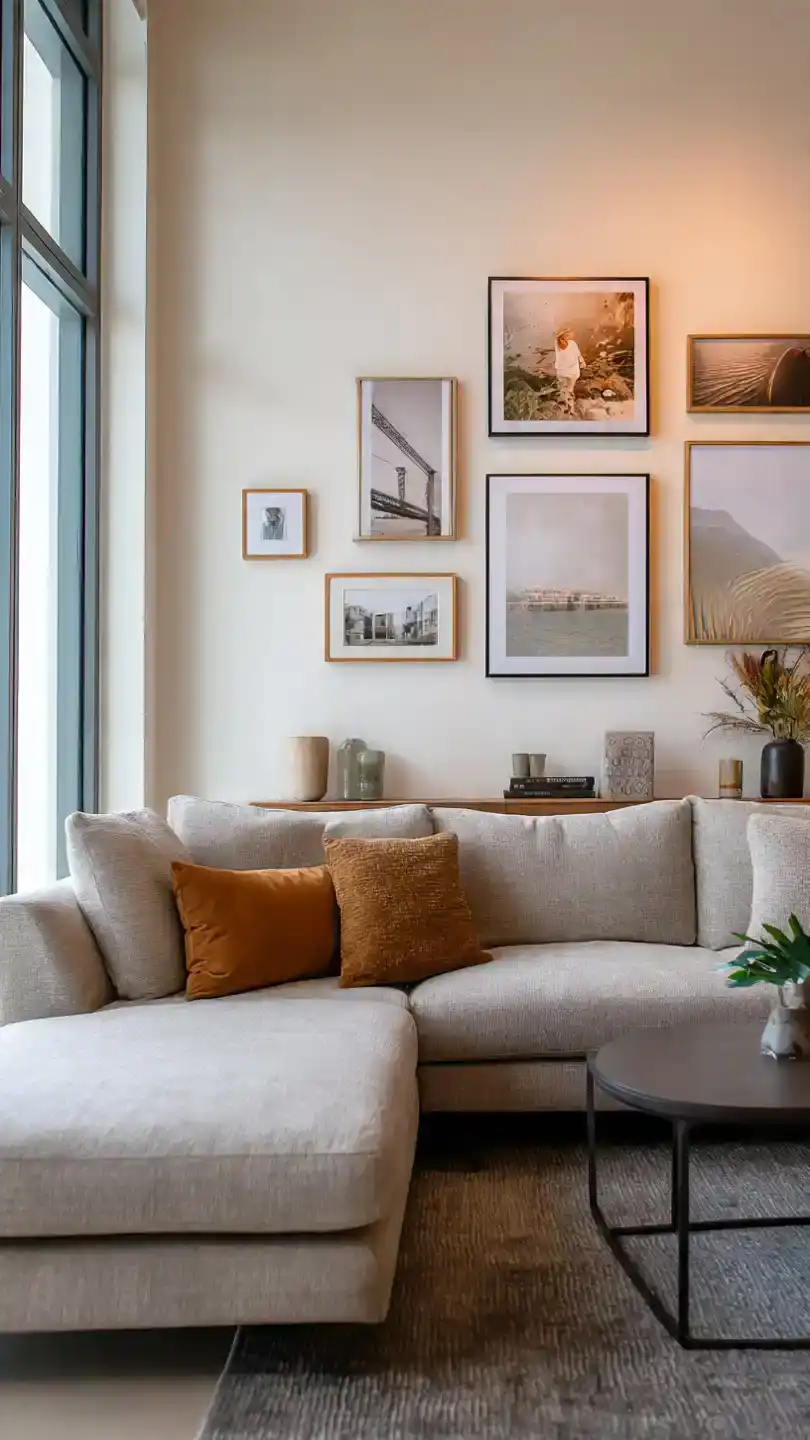
You ever walk into someone’s home and instantly feel like, “Okay… why does this look so effortlessly perfect?” Yeah, same. And then you go back home, look around, and suddenly your space feels like it needs… help.
Here’s the truth: designers don’t do magic. They just repeat smart home decor rules that most people ignore. I’ve tested a bunch of these myself, and some of them honestly changed how my room felt overnight. Others? Let’s just say I learned the hard way that “Pinterest aesthetic” doesn’t come from buying random cute stuff 🙂
So let’s break down the exact home decor ideas designers secretly love using.
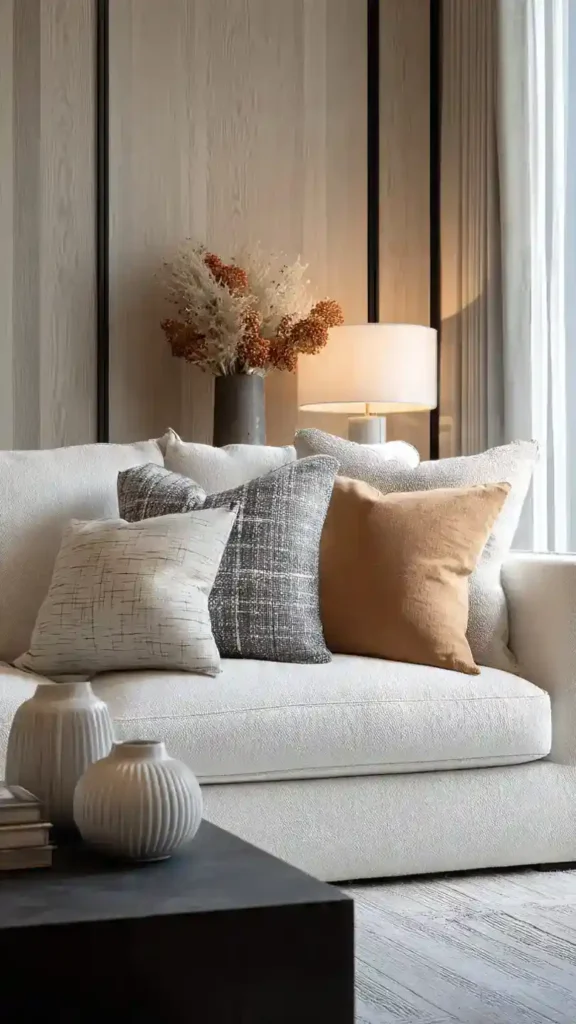
1. Neutral Base With Controlled Chaos
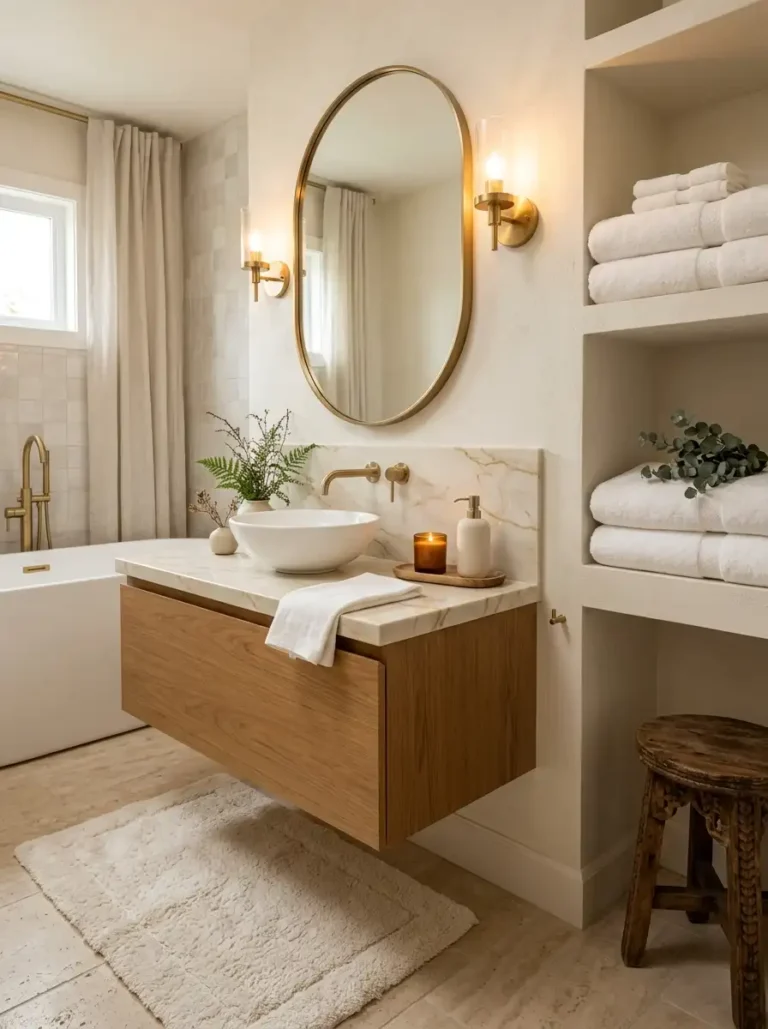
Designers always start with a neutral foundation. Think whites, creams, soft greys.
But here’s the twist—they don’t keep it boring.
How they fix it:
- Add textured cushions
- Mix warm + cool tones
- Introduce one bold accent color
Ever noticed how luxury rooms feel calm but not empty? That’s not luck. That’s control.
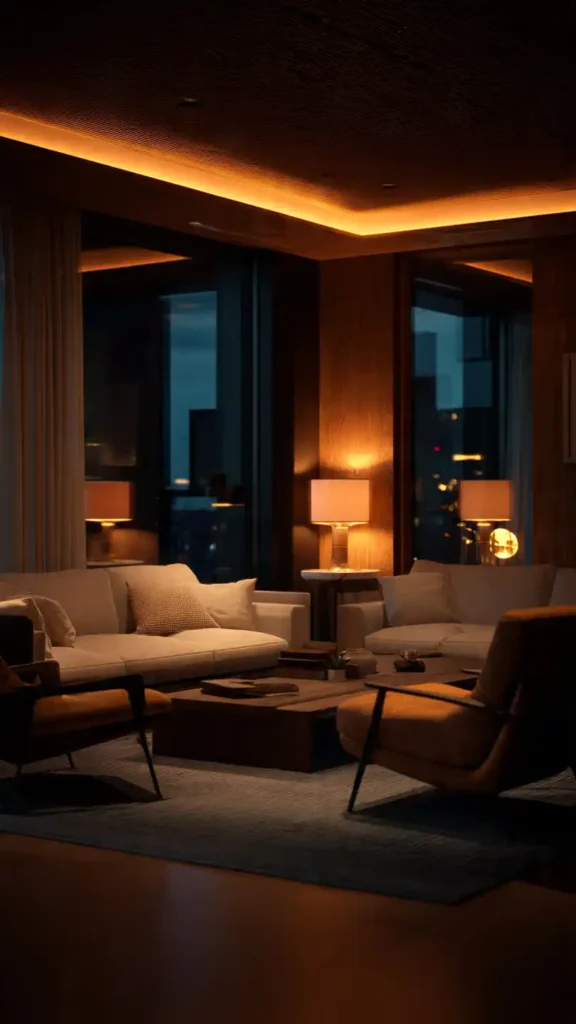
2. Layered Lighting for Instant Mood Change
One ceiling light is basically a crime against interior design.
Designers layer lighting to control mood.
They use:
- Ambient lighting (main light)
- Task lighting (reading lamps)
- Accent lighting (LED strips, wall lights)
IMO, lighting is the fastest upgrade you can make without touching furniture.
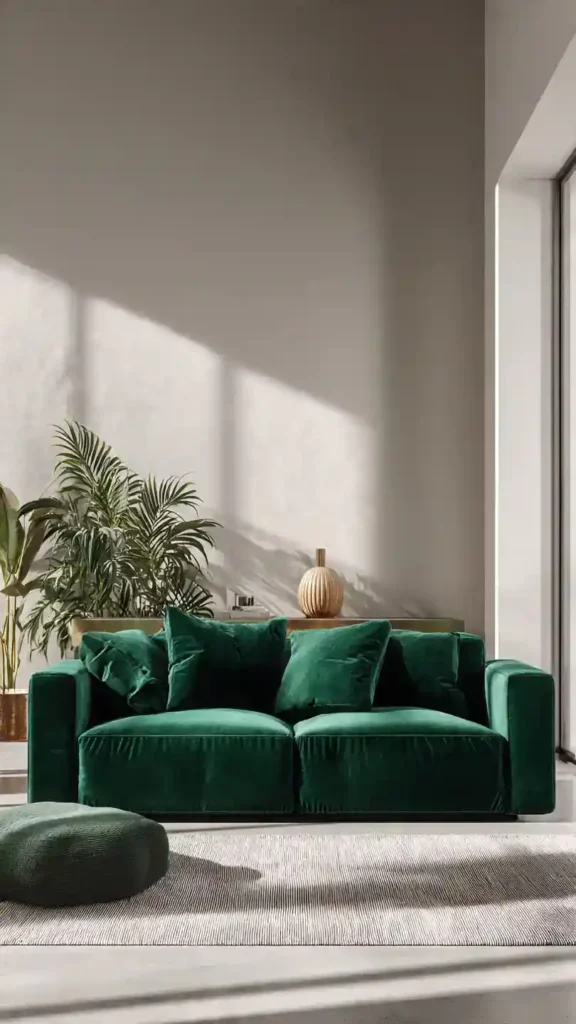
3. Statement Piece That Carries the Room
Every designer picks one thing that says “look at me.”
It could be:
- Bold sofa
- Oversized artwork
- Sculptural coffee table
I once swapped a basic lamp for a designer-style floor lamp, and suddenly my room looked like it had opinions. Weird but true.
4. Rule of Three Works Every Time
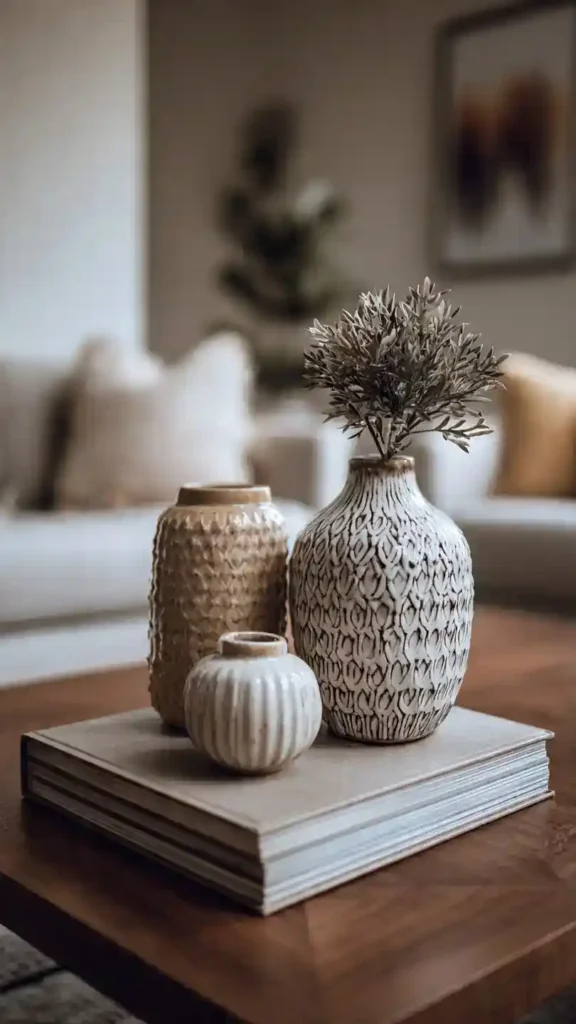
Designers love odd numbers because they feel natural.
Examples:
- 3 cushions on a sofa
- 3 decor items on a table
- 3 frames on a wall
Ever seen a room that looks “off” but you can’t explain why? It usually breaks this rule.
5. Texture Mixing (The Secret Sauce)
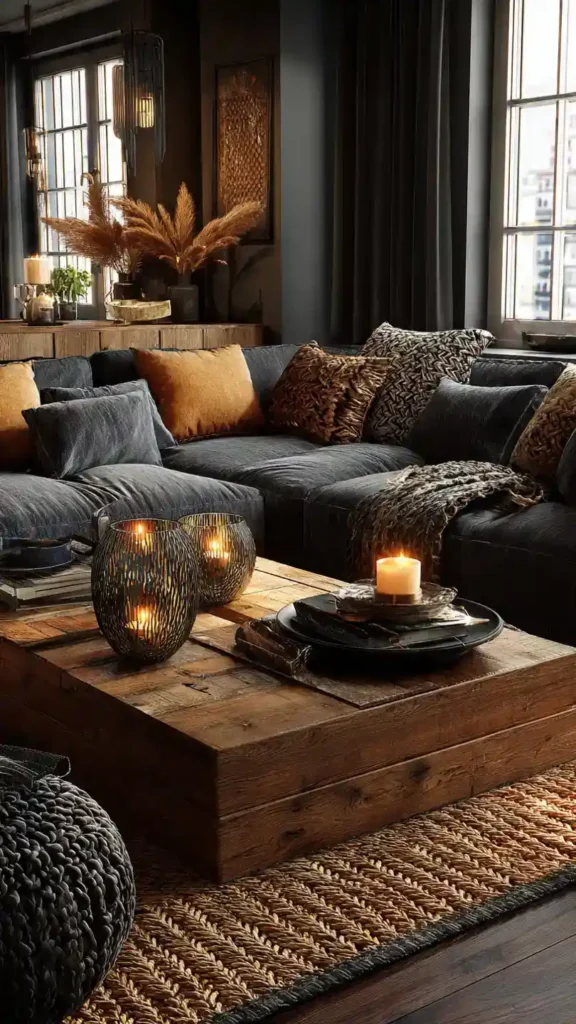
Flat rooms look cheap, even when furniture isn’t.
Designers mix textures like pros.
Combine:
- Velvet + wood
- Metal + fabric
- Glass + natural stone
This is where home decor ideas become expensive-looking design.
6. Low Furniture = Modern Vibe
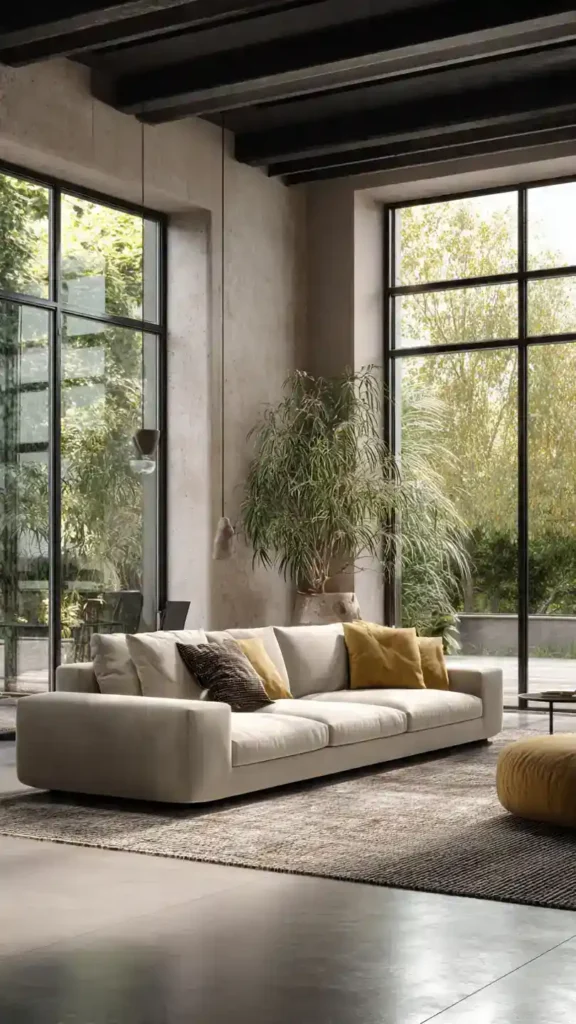
Low-profile furniture instantly modernizes a room.
Benefits:
- Makes room feel bigger
- Creates open flow
- Adds luxury feel
Ever wonder why high-end hotels feel spacious even in small rooms? This is why.
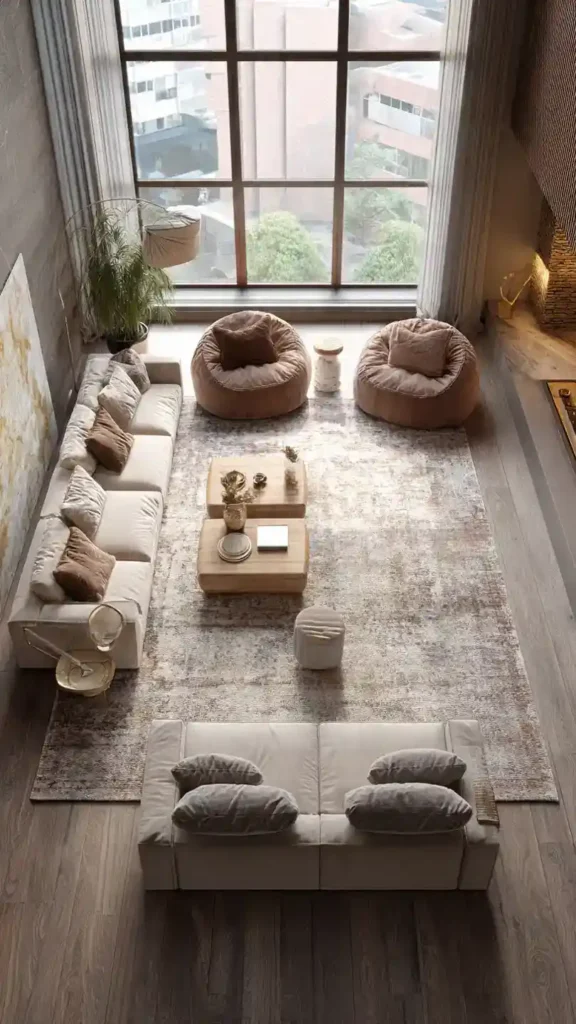
7. Oversized Rugs (Not Tiny Ones)
Small rugs ruin more rooms than bad paint ever could.
Designers always go bigger.
Rule:
Front legs of furniture should sit on the rug
Anything smaller looks like an accident, not design.
8. One Clear Focal Point
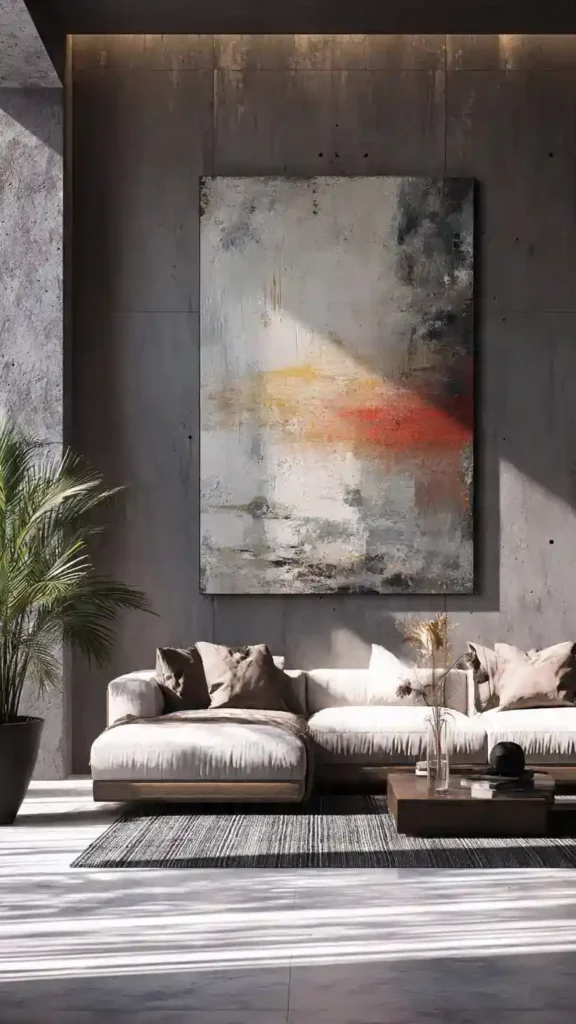
Every room needs a “main character.”
Options:
- Feature wall
- Fireplace
- Big artwork
Without a focal point, your eyes just bounce everywhere like confused tourists.
9. Controlled Minimalism (Not Empty Rooms)
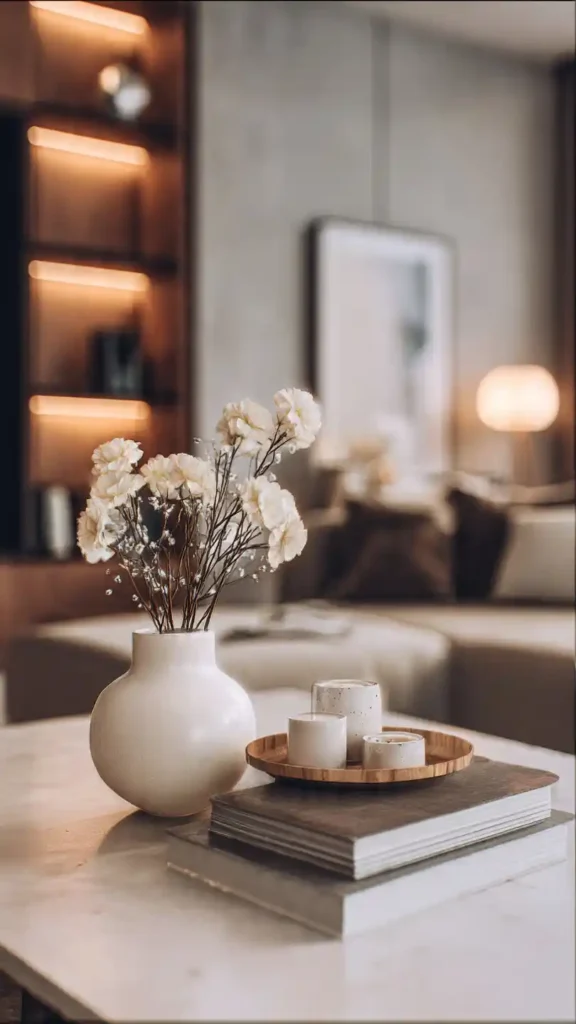
Minimal doesn’t mean lifeless.
Designers remove clutter but keep personality.
Keep:
- Meaningful decor
- Clean surfaces
- Functional items
Remove:
- Random junk
- Duplicate decor pieces
Let’s be honest… how many things in your room do you actually notice daily?
10. Contrast for Visual Drama
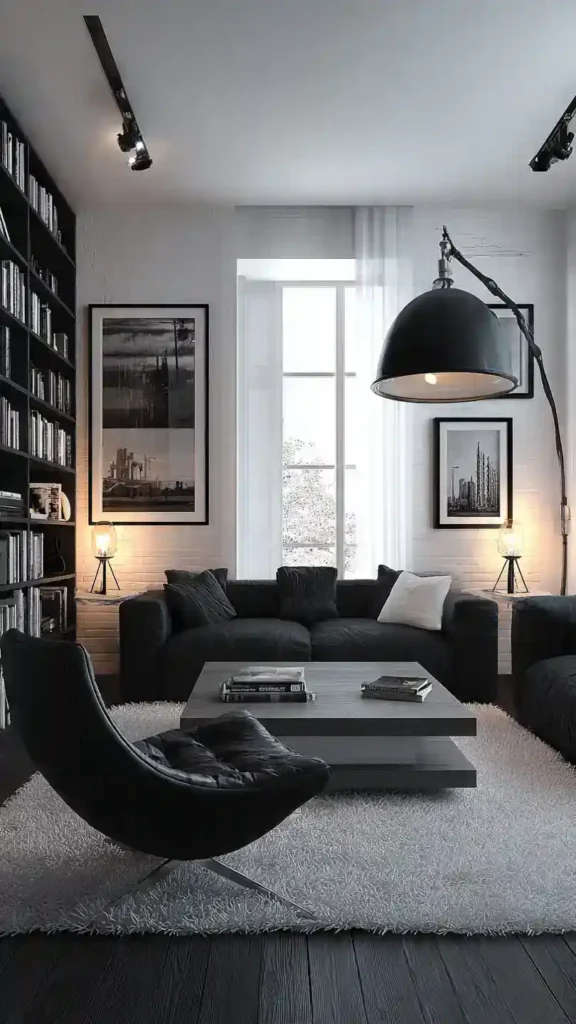
No contrast = boring space.
Designers always balance opposites.
Examples:
- Light walls + dark furniture
- Matte + glossy finishes
- Soft + sharp shapes
This creates depth without adding more stuff.
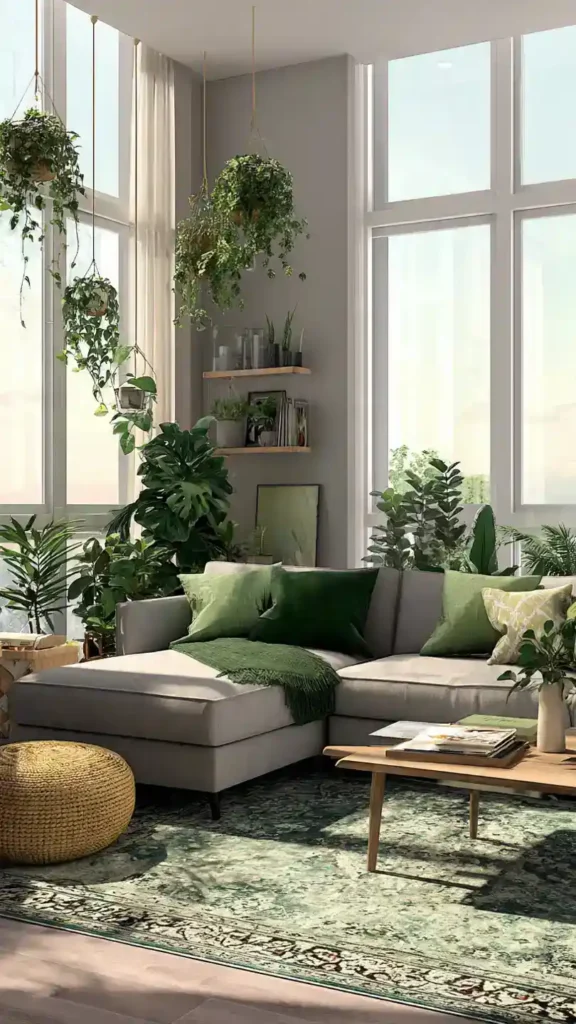
11. Indoor Plants (Real or Fake, No Judgment)
Plants instantly upgrade a room.
Best options:
- Snake plant
- Fiddle leaf fig
- High-quality faux plants
FYI, I’ve killed enough real plants to switch sides permanently 🙂
12. Oversized Wall Art
Small frames everywhere? Designers avoid that.
They prefer one large impactful piece.
Why it works:
- Feels intentional
- Creates focus
- Looks premium
Ever notice how hotels always use big art, not tiny cluttered frames?
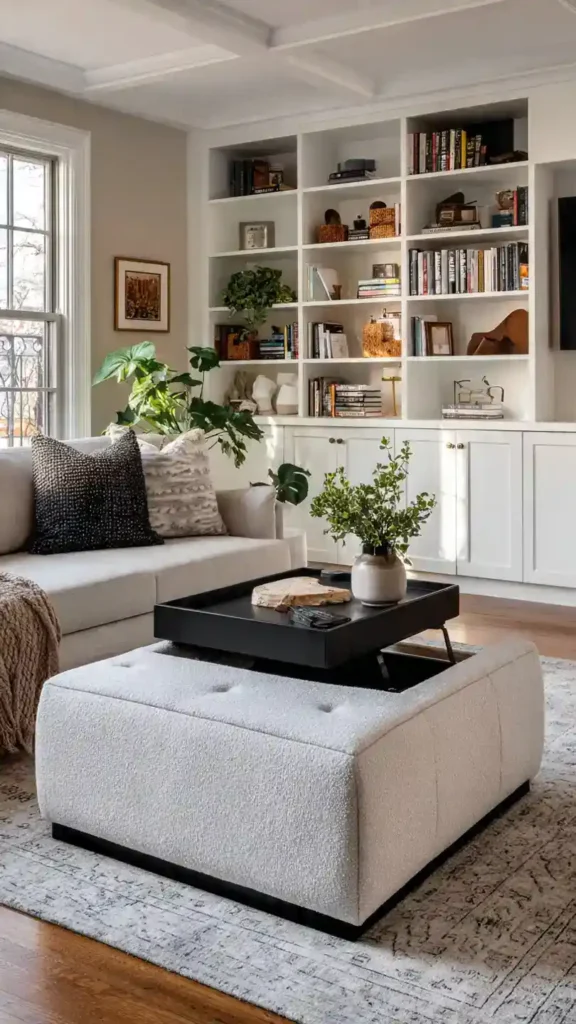
13. Hidden Storage Solutions
Clutter kills aesthetics faster than anything else.
Designers hide storage everywhere.
Smart ideas:
- Storage ottomans
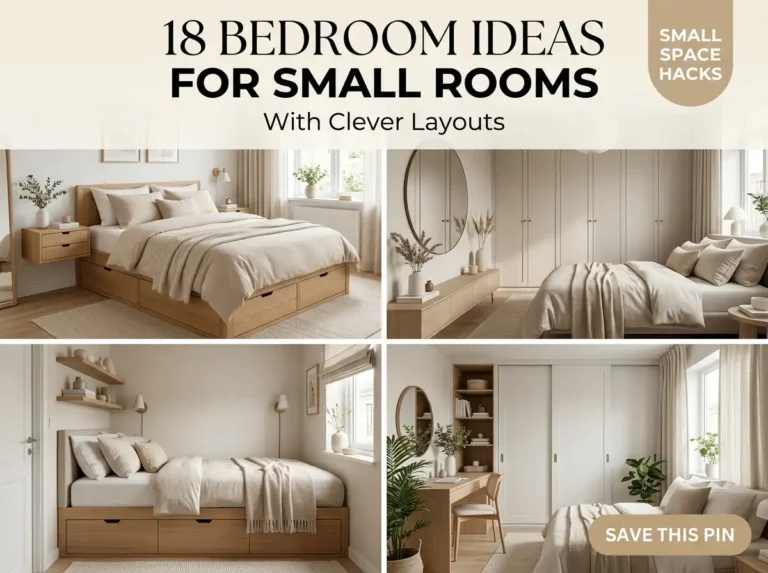
- Built-in shelves
- Closed cabinets
Clean room = instantly expensive look.
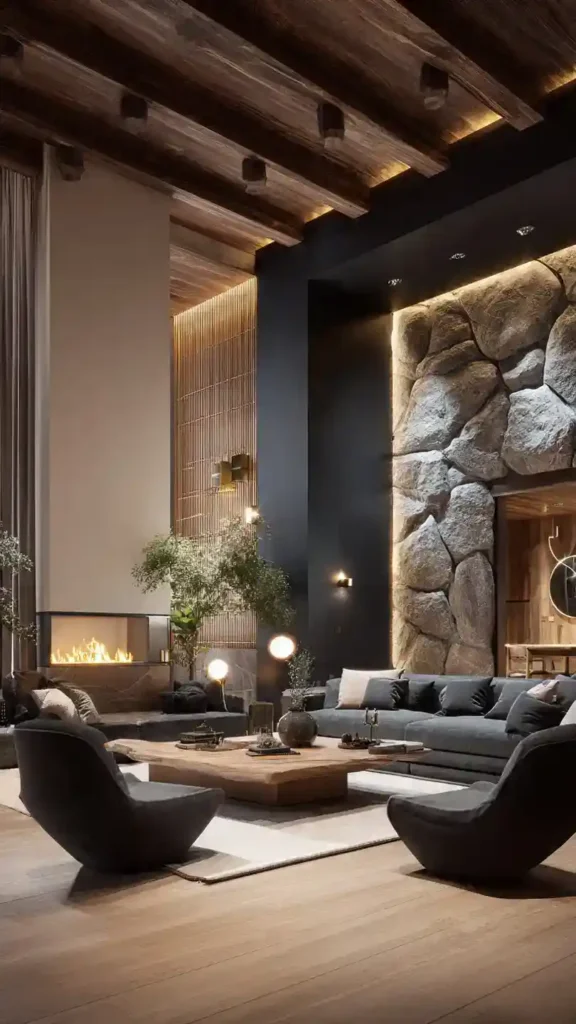
14. Mix Modern With Natural Elements
Pure modern can feel cold.
So designers mix in natural touches.
Add:
- Wood textures
- Linen fabrics
- Stone accents
This balance makes the room feel alive, not robotic.
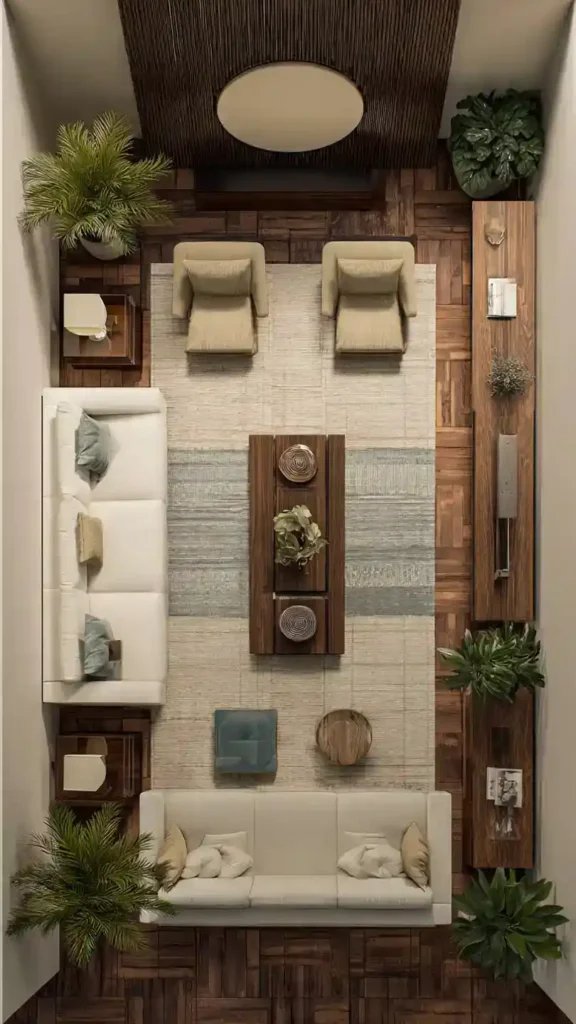
15. Symmetry + Asymmetry Balance
Perfect symmetry feels stiff. Too much chaos feels messy.
Designers balance both.
Example:
- Symmetrical sofa setup
- Asymmetrical decor styling
Ever seen a room that feels “too perfect”? That’s why.
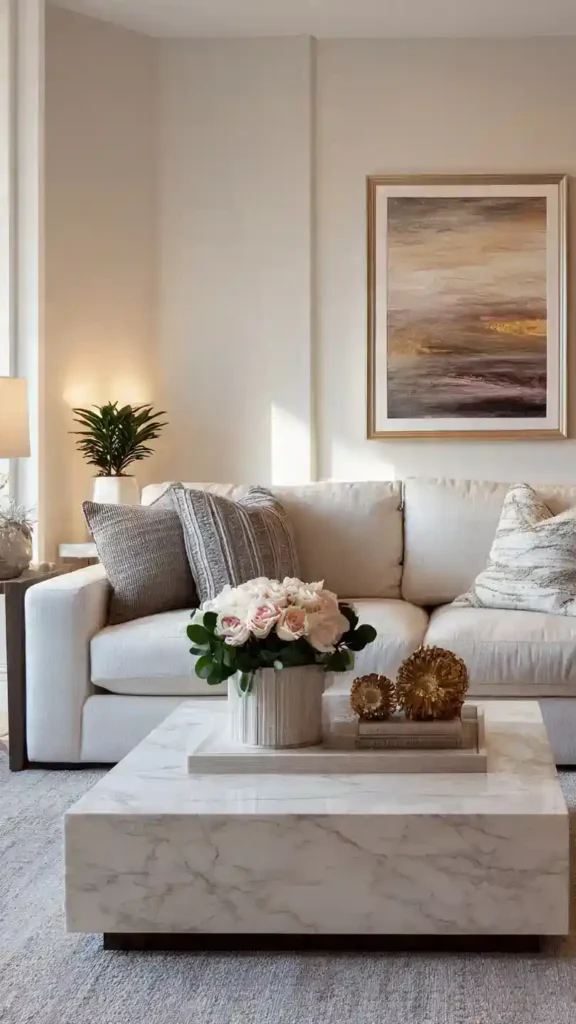
16. Layered Soft Furnishings
Soft furnishings = personality boost.
Use:
- Cushions
- Throws
- Rugs
But don’t overdo it or your sofa will disappear under fabric mountain 🙂
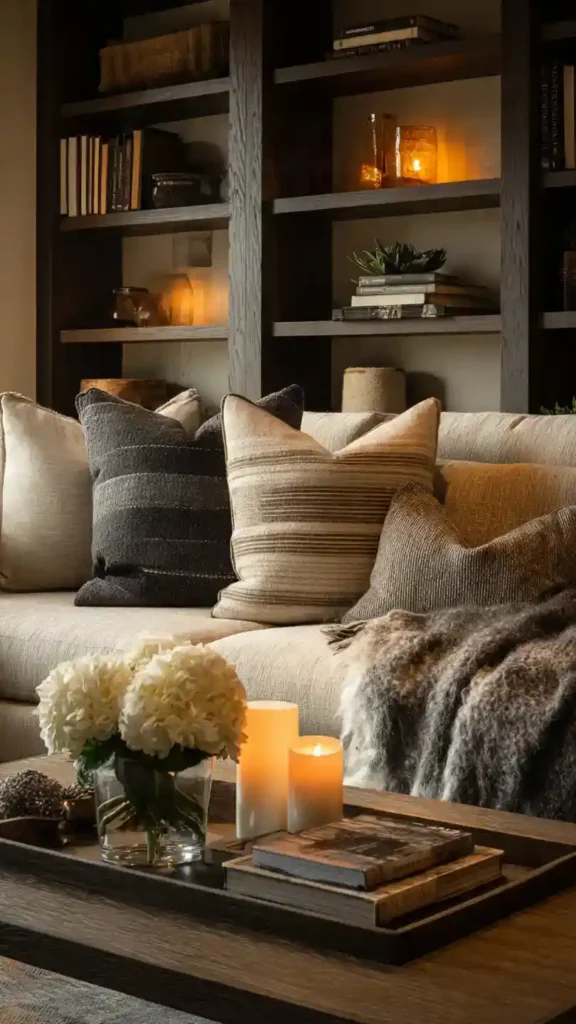
17. Personal Touch Without Clutter
Designers always add personality—but carefully.
Examples:
- Travel souvenirs (selected ones only)
- Personal photos in clean frames
- Unique handmade decor
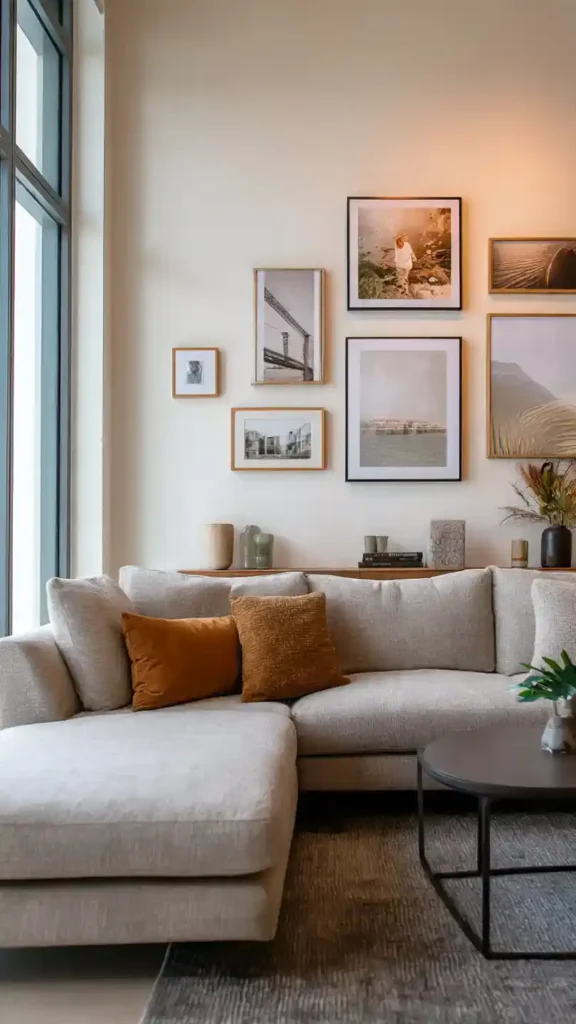
Too much personal stuff turns into chaos fast. Balance matters.