16 Living Room Ideas That Look Surprisingly Expensive
You’ve seen those living rooms online that scream “designer budget,” only to find out the whole thing cost less than one designer throw pillow. I’ve fallen into that rabbit hole more times than I’d like to admit, and eventually I figured out the actual tricks that make a room read expensive regardless of what you actually spent. Turns out, it’s less about money and more about a handful of smart choices.
This list breaks down 16 living room ideas that look surprisingly expensive, all pulled from spaces I’ve styled myself or picked up from designers who clearly know the game. IMO, an expensive-looking room is really about intention, not price tags. Let’s get into the tricks that consistently deliver that high-end feel.
1. Choose One Statement Piece Instead of Many Small Ones
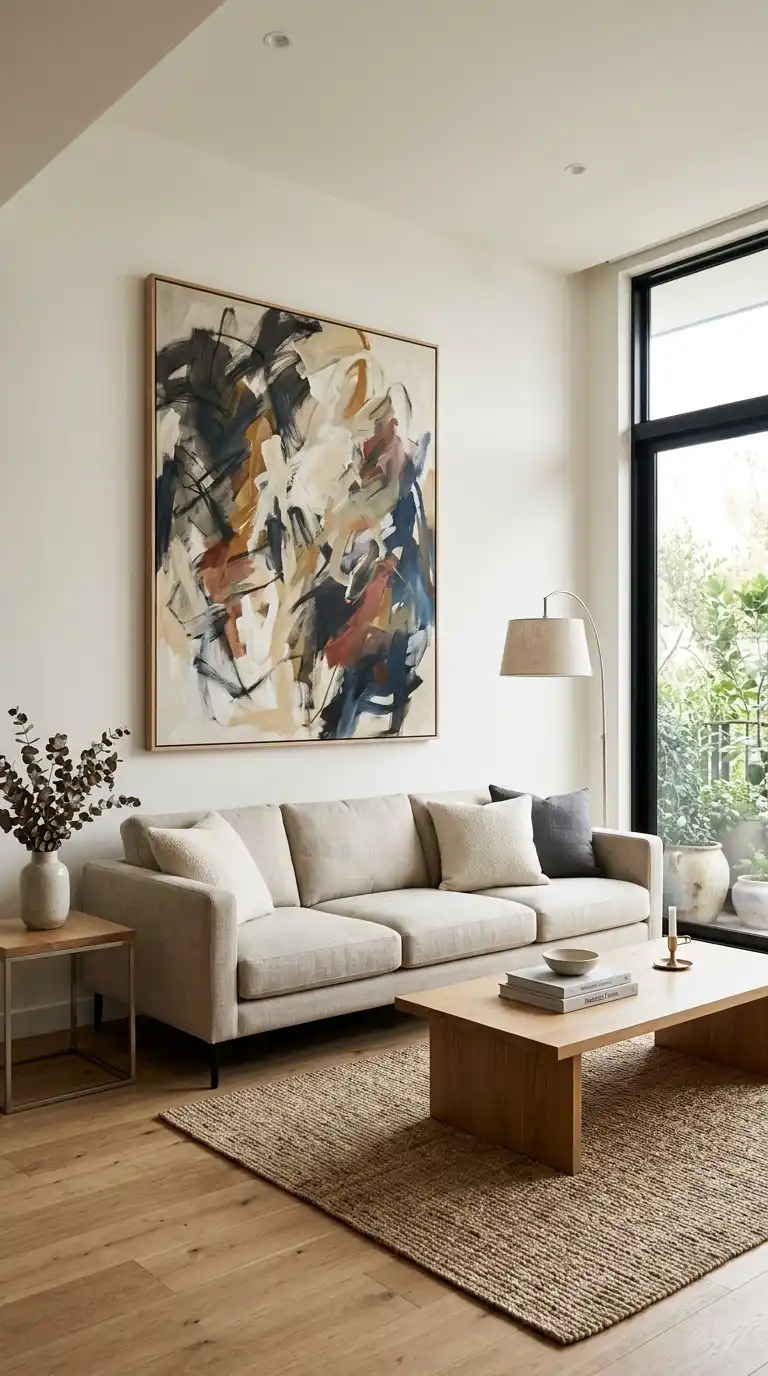
A room filled with lots of small, busy decor items reads as cluttered no matter how nice each individual piece is. One large, well-chosen statement piece—a bold art print, a sculptural lamp, an oversized mirror—creates far more visual impact than a dozen smaller accessories combined. I learned this after decluttering half my shelf decor, and the room instantly looked more curated.
2. Invest in a Quality Rug, Even If It’s Your Only Splurge
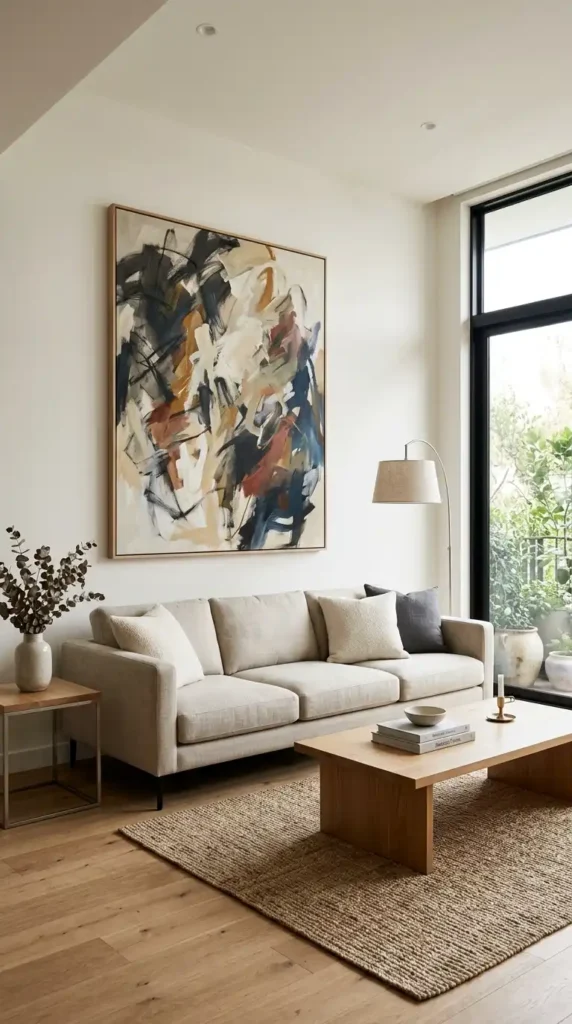
A high-quality rug anchors a room in a way cheap, thin rugs simply can’t replicate. This is the one item worth stretching your budget for, since a good rug changes the entire feel underfoot and visually. Ever wondered why designer rooms always feature such substantial-looking rugs? This is exactly why.
3. Stick to a Cohesive Color Palette
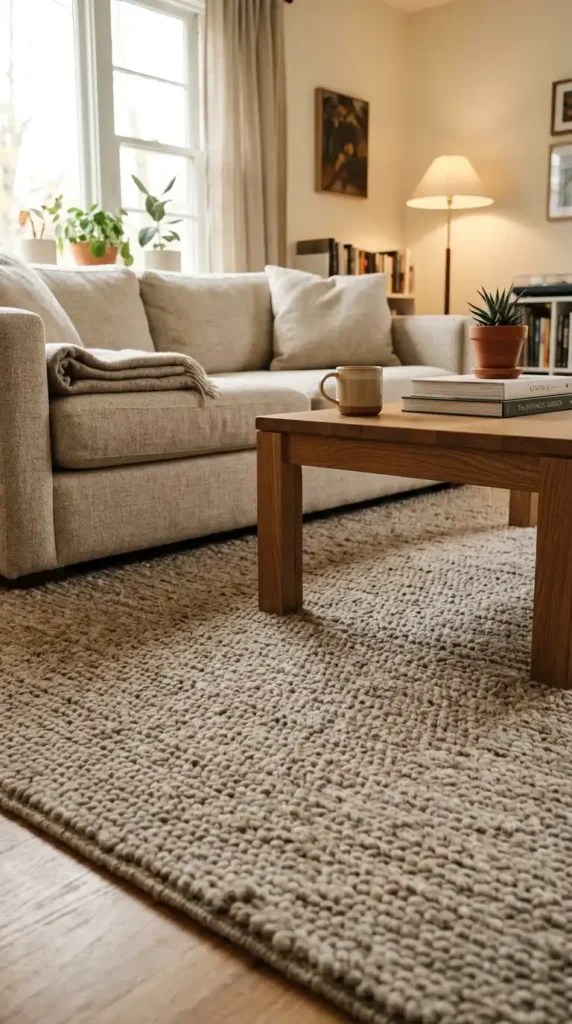
Rooms that mix too many competing colors read as chaotic rather than intentional, no matter how nice each individual color looks alone. Sticking to three or four coordinated colors throughout the space creates a polished, cohesive look. This is one of the cheapest tricks on this list since it costs nothing beyond planning ahead.
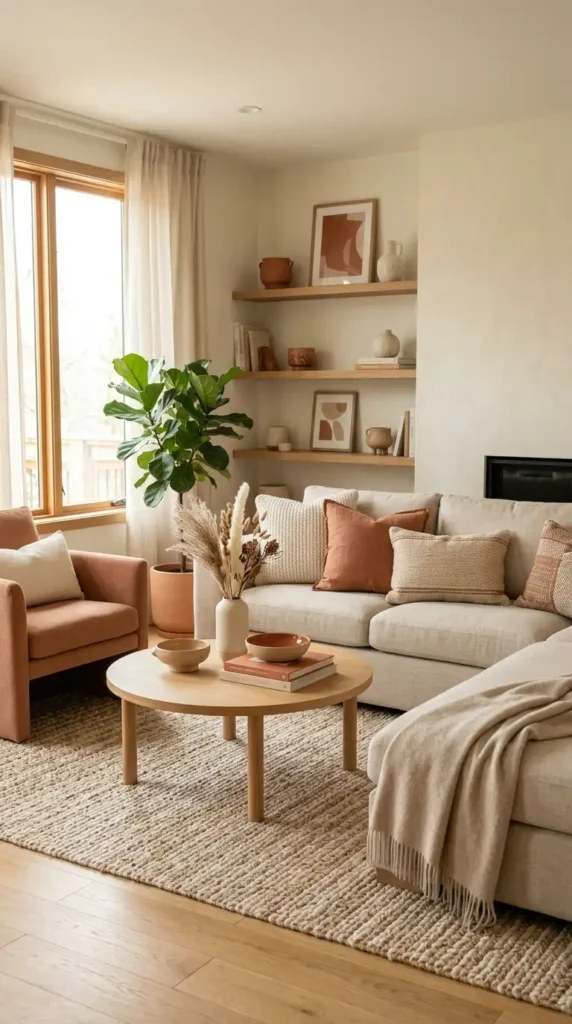
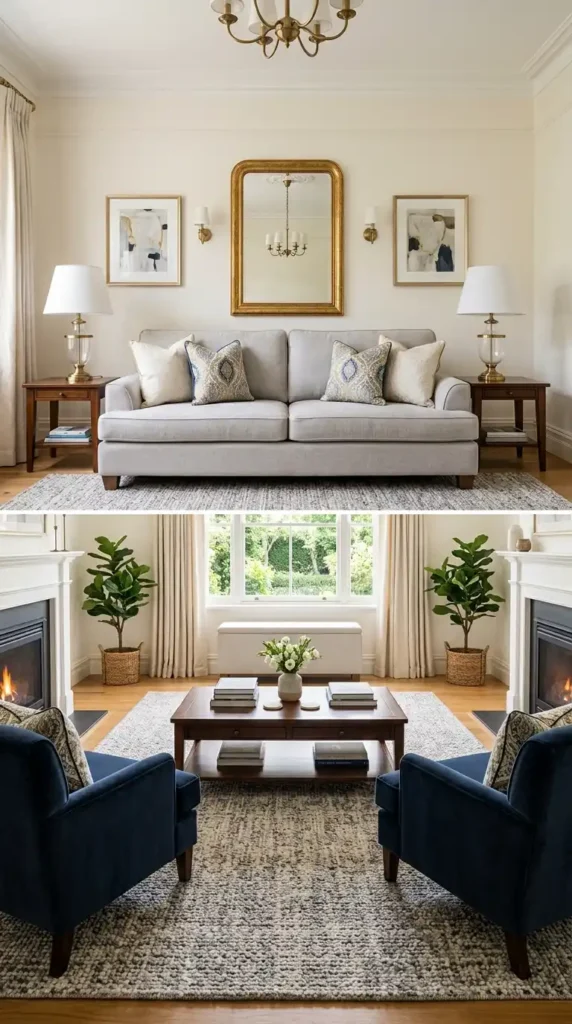
4. Use Symmetry to Create Balance
Symmetrical arrangements—matching lamps, matching side tables, evenly spaced art—create a sense of order that instantly reads as more expensive. Our brains associate symmetry with intentional design, even if we can’t always explain why a room feels “off” without it. This trick works especially well in seating arrangements and gallery walls.
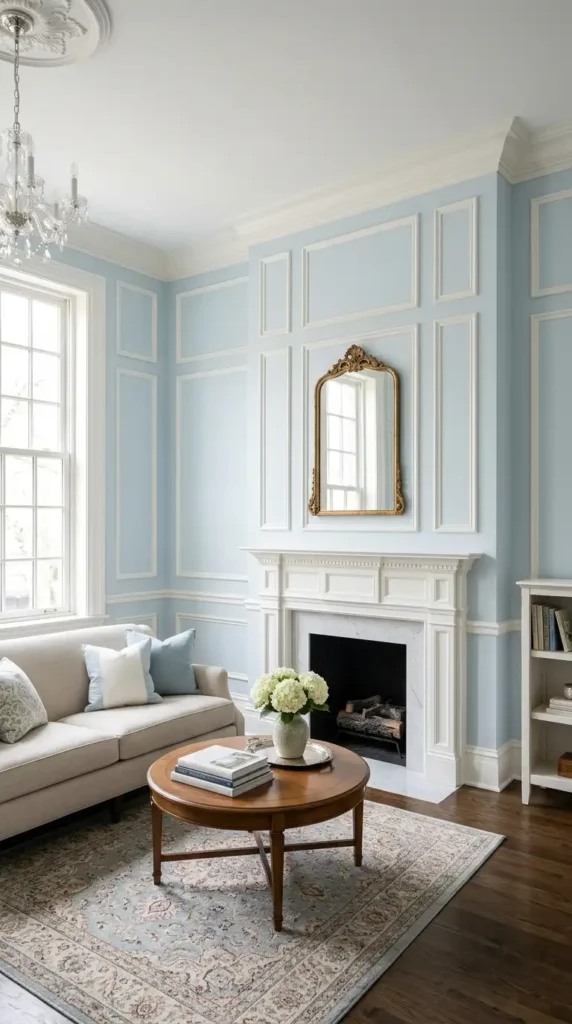
5. Add Trim or Molding Details
Crown molding, wainscoting, or even simple picture-frame molding on the walls instantly elevates a plain room into something that feels custom-built. This project requires more effort than most items on this list, but the payoff is genuinely significant. Even peel-and-stick molding options exist now for a lower-commitment version.
Molding on a Budget
A few ways to add this detail without a full renovation:
- Peel-and-stick trim kits for a temporary, renter-friendly option
- Painting existing trim a contrasting color for definition without new installation
- Adding a single picture rail instead of full wainscoting for a subtler effect
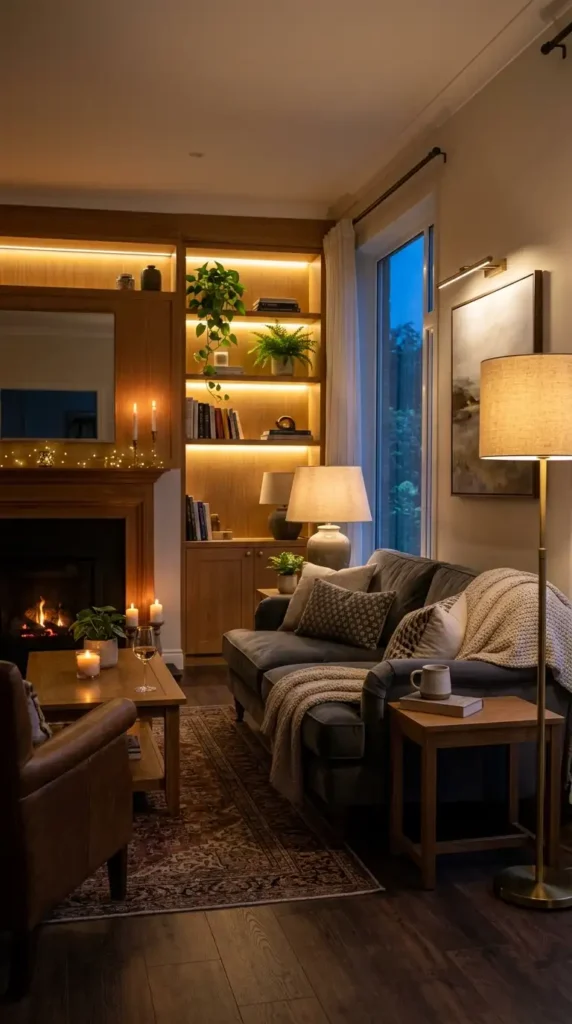
6. Layer Different Lighting Sources
Relying on one overhead light makes a room feel flat and cheap, more like a waiting room than a living space. Layering floor lamps, table lamps, and accent lighting creates warmth and depth that overhead lighting alone simply can’t achieve. This upgrade costs relatively little but transforms the entire mood of the room.
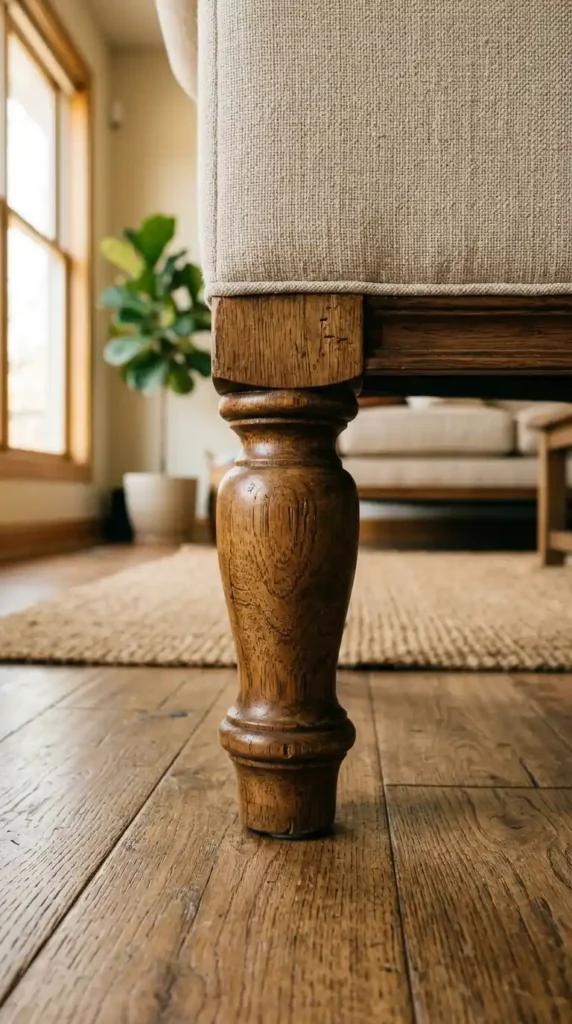
7. Choose Furniture with Substantial Legs
Furniture with thin, flimsy-looking legs reads as budget no matter how nice the fabric or cushions are. Pieces with substantial wood or metal legs instantly look more expensive and well-made. This is a detail worth checking before buying any new sofa, chair, or table.
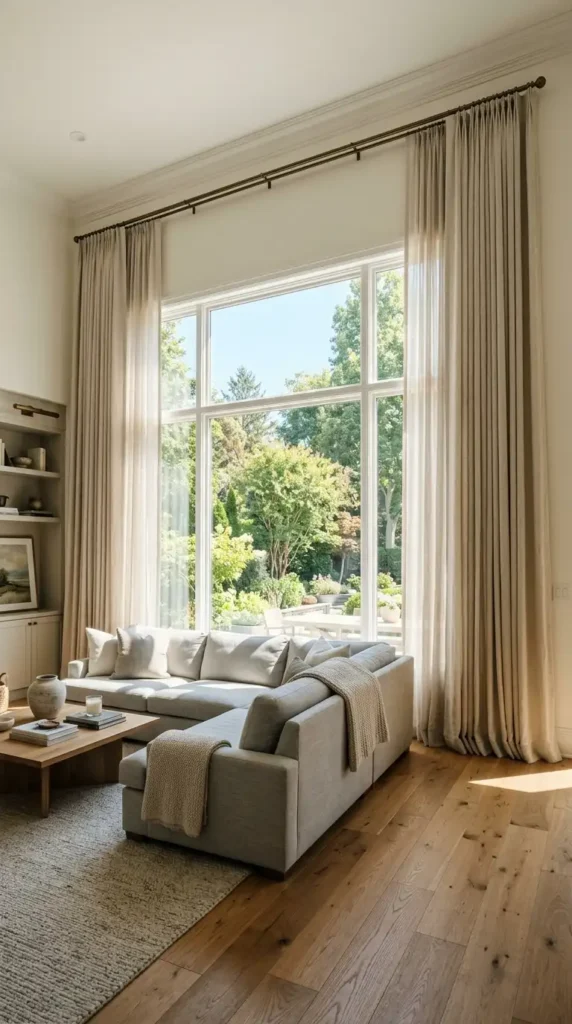
8. Hang Curtains High and Wide
Curtains hung too close to the window frame make ceilings look shorter and the whole room feel smaller and cheaper. Hanging curtains close to the ceiling and slightly wider than the window instantly makes the room feel grander and more expensive. This trick costs nothing beyond moving a curtain rod a few inches.
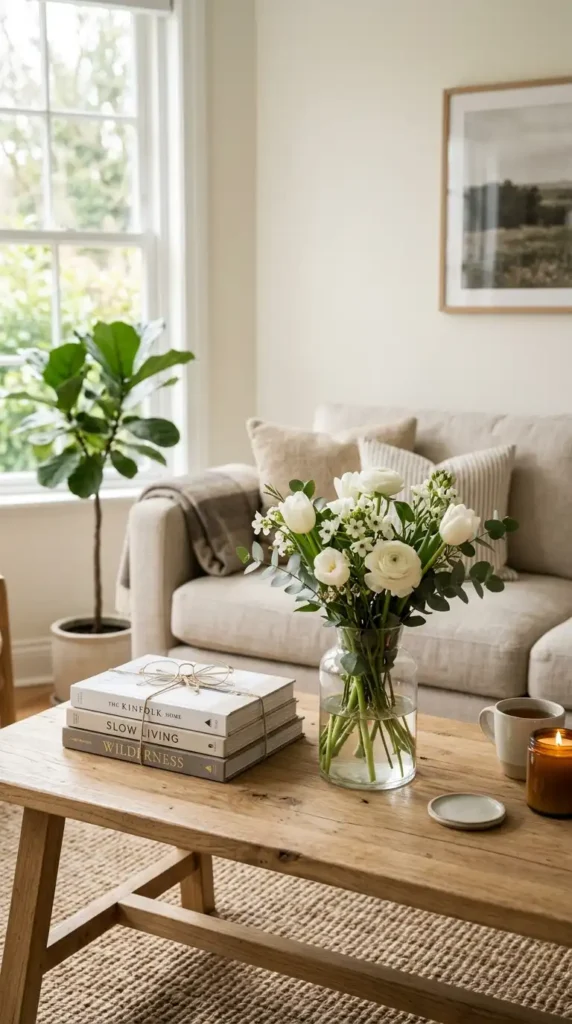
9. Add Fresh Flowers or Real Greenery
Fresh flowers or a large, healthy plant signal a level of care that fake or absent greenery simply can’t match. This is a small, repeatable detail that consistently makes a room feel more finished and intentional. Even a single stem in a simple vase makes a noticeable difference.
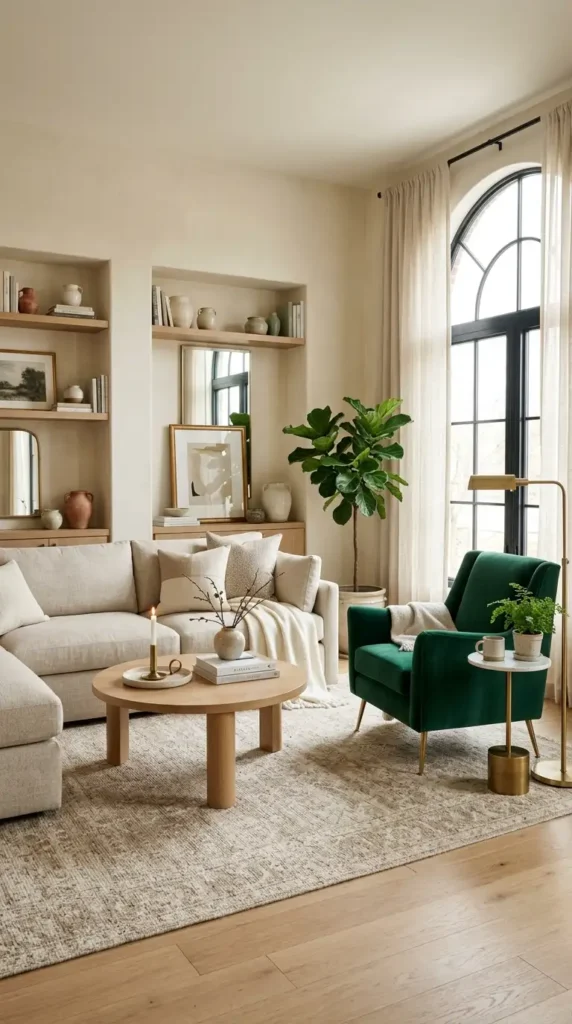
10. Use a Neutral Base with One Bold Accent
A room built on a neutral foundation with one carefully chosen bold accent color feels sophisticated rather than overwhelming. This restraint reads as expensive because it feels intentional, unlike rooms that try to do too much at once. Pick one accent, whether it’s a chair, an art piece, or a set of pillows, and let it stand out.
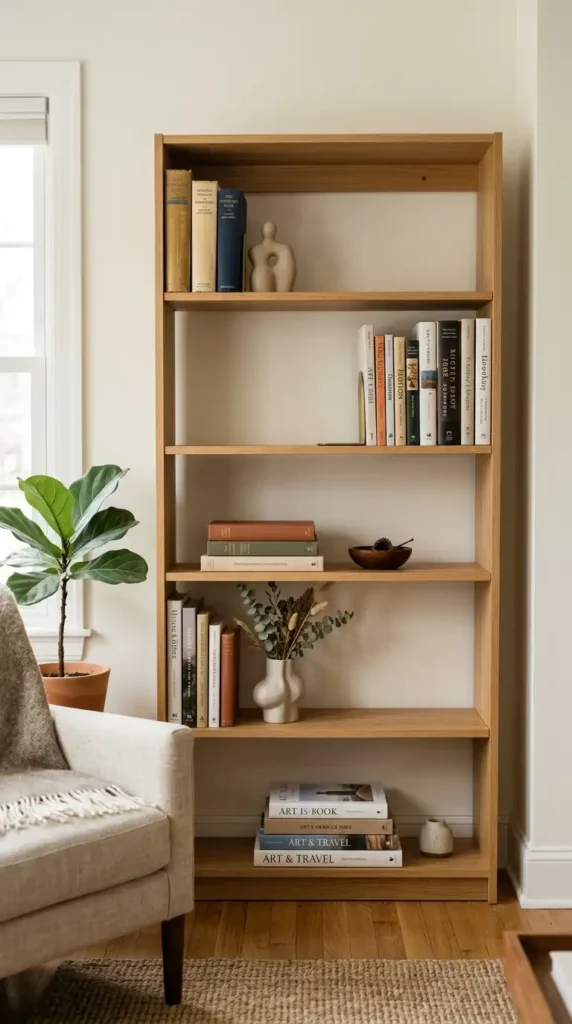
11. Choose Books and Objects with Purpose
A shelf filled with random knickknacks looks cluttered, while a shelf styled with a curated mix of books, a few decorative objects, and some negative space looks intentional. This is one of those details that separates a “styled” bookshelf from a genuinely cluttered one. Group items in odd numbers, like threes, for a more visually pleasing arrangement.
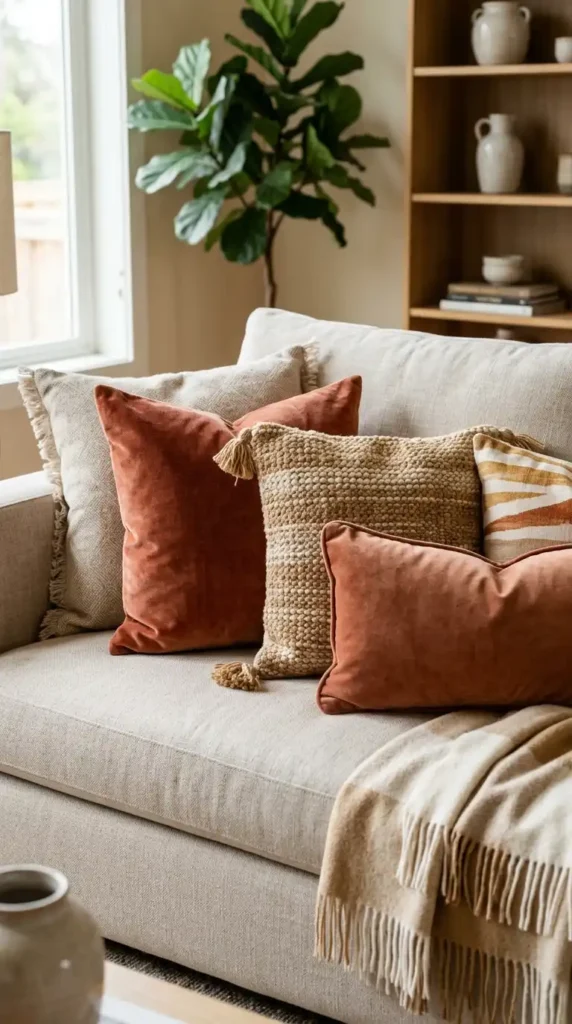
12. Upgrade Your Throw Pillows and Textiles
Thin, cheap-feeling pillow covers instantly cheapen an otherwise nice sofa. Investing in higher-quality fabric like linen, velvet, or a substantial cotton blend makes a noticeable difference in how the whole seating area feels. This is one of the most affordable upgrades on this entire list relative to its visual impact.
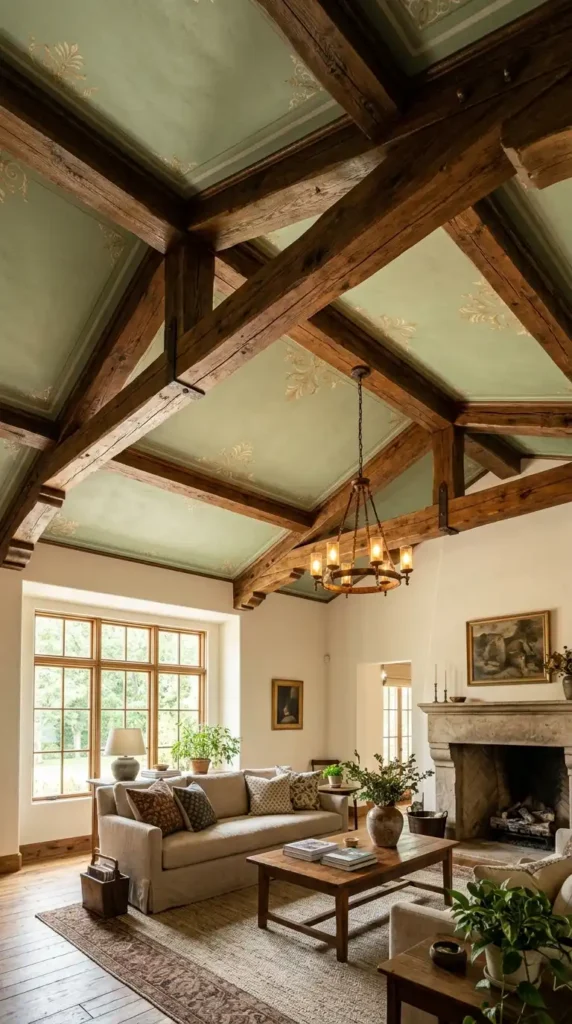
13. Add Architectural Interest with a Ceiling Detail
A painted ceiling, exposed beams, or even a bold wallpaper on the ceiling adds an unexpected design element that most rooms skip entirely. This “fifth wall” approach genuinely surprises people and signals a higher level of design intention. It doesn’t need to be dramatic—even a soft color difference from the walls makes an impact.
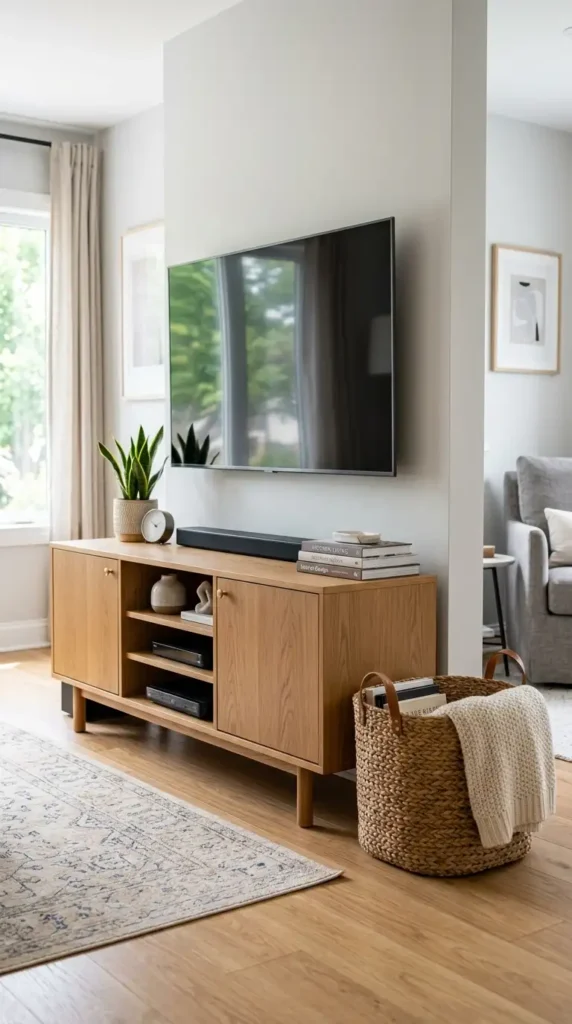
14. Keep Cords and Clutter Hidden
Visible cords, remote controls, and general clutter instantly undercut an otherwise beautifully designed room. Cord management and hidden storage baskets keep the space looking as polished as the furniture within it. This is a detail that costs almost nothing but makes a surprisingly large visual difference.
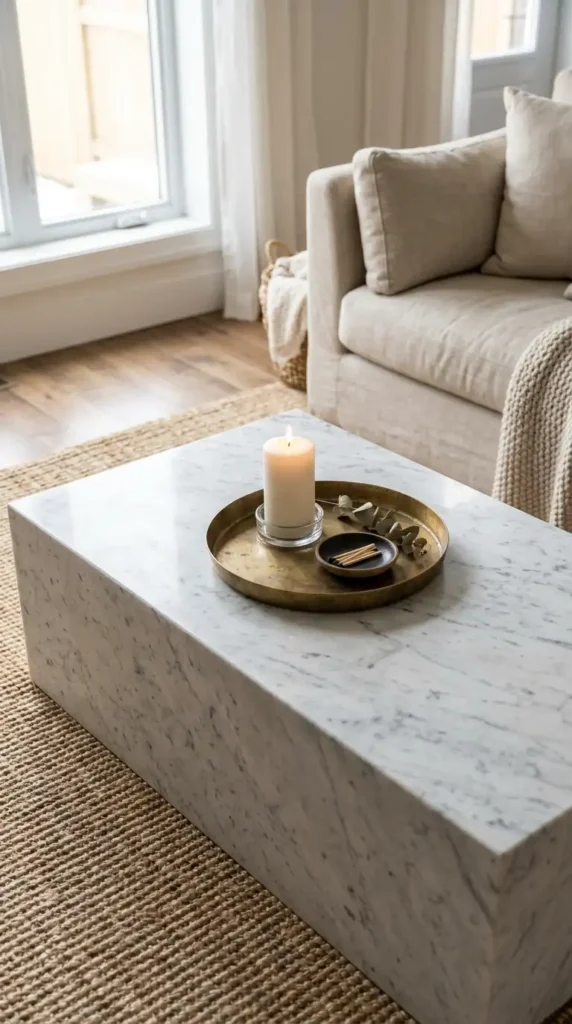
15. Choose a Coffee Table That Feels Substantial
A flimsy, small coffee table reads as an afterthought, while a substantial table with an interesting material or shape becomes a genuine design feature. This piece sits at eye level for most seated guests, so it’s worth choosing carefully. A stone, marble, or solid wood option consistently reads as more expensive than glass or thin metal alternatives.
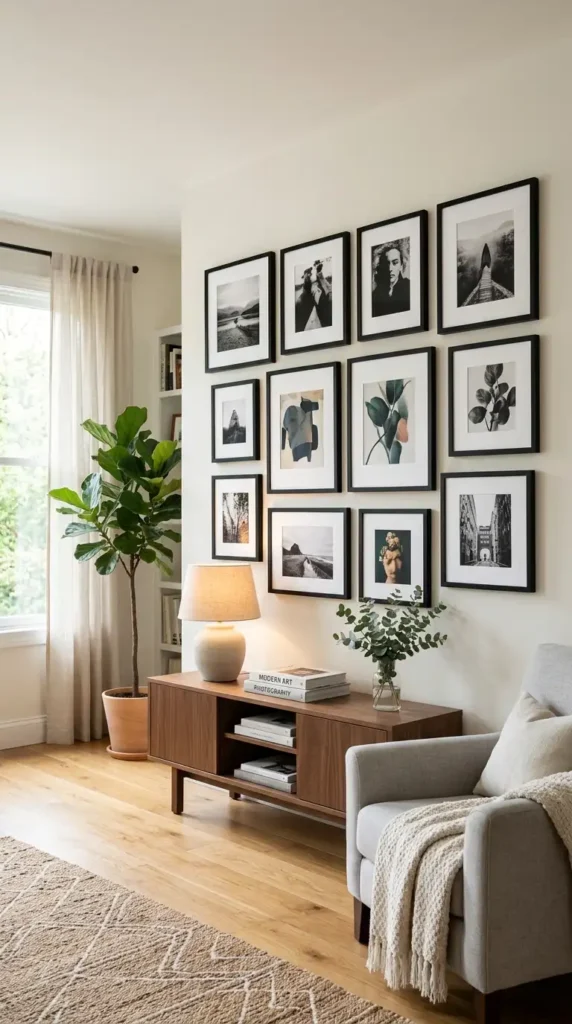
16. Add a Gallery Wall with Consistent Framing
A gallery wall using consistent frame colors and materials looks curated and intentional, while mismatched frames can look accidental. Consistency is the key detail here, even if the art itself varies in style or subject matter. This is a great way to display personal pieces while still achieving a polished, gallery-like effect.
Quick Tips for an Expensive-Looking Room on Any Budget
A few habits help these tricks come together effectively:
- Prioritize one or two high-impact splurges instead of spreading your budget thin
- Edit ruthlessly—fewer, better items always beat more, cheaper ones
- Stick to a consistent color and material palette throughout the space
- Pay attention to details like lighting, cords, and trim, since they affect the overall polish
None of these ideas require an unlimited renovation budget. Small, intentional choices consistently outperform expensive furniture thrown together without a plan.
Final Thoughts
An expensive-looking living room has surprisingly little to do with how much you actually spend and everything to do with intention, restraint, and a handful of smart design choices. Whether you start with a quality rug, better lighting, or simply hanging your curtains higher, these 16 ideas prove that a high-end look is genuinely achievable on almost any budget. Every trick on this list earned its spot because it made a real, visible difference in my own living room.
So next time you’re eyeing an expensive room online, remember it’s probably not the price tag doing the heavy lifting—it’s the details. Steal a few of these ideas, and let your living room take the credit 🙂