10 Very Small Living Room Ideas That Look Surprisingly Spacious
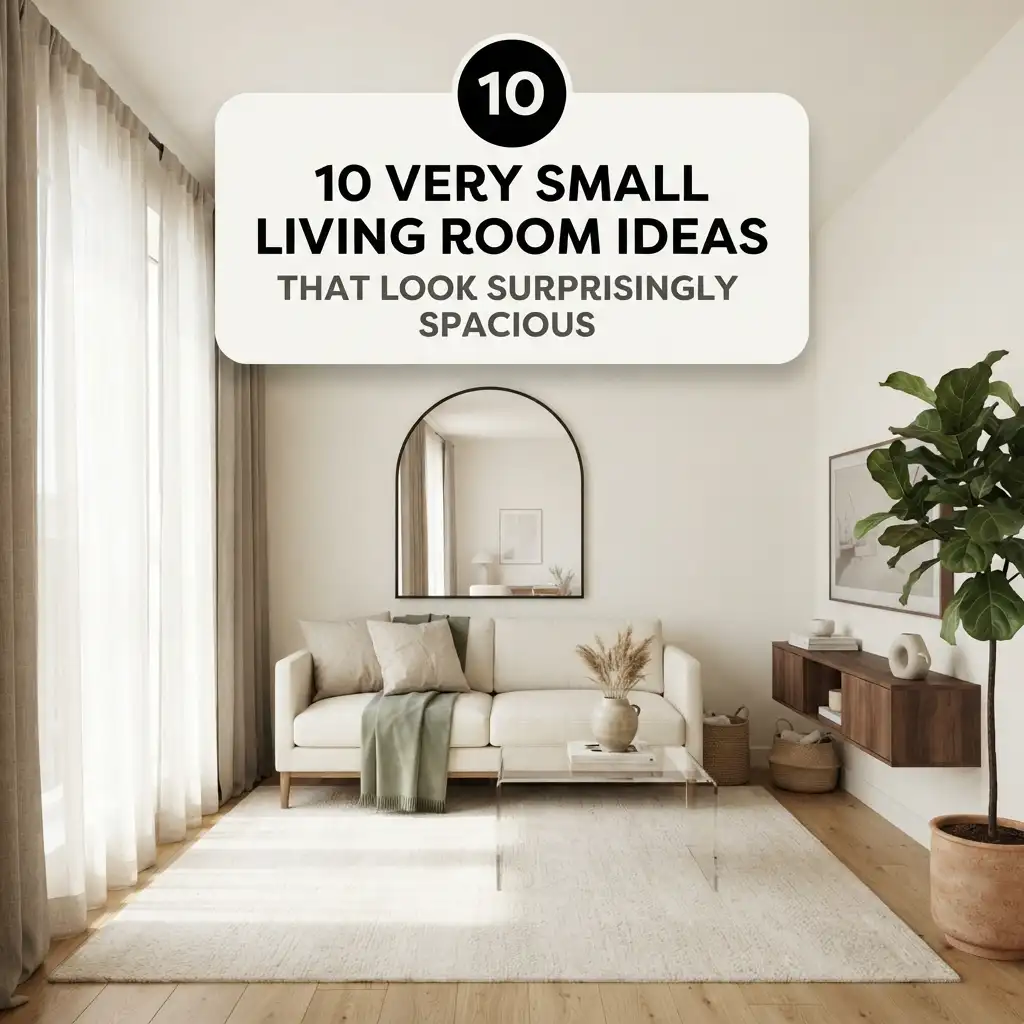
A tiny living room can feel frustrating when every chair, table, and cushion seems determined to steal your walking space. But honestly, small square footage doesn’t automatically mean a cramped-looking room. With the right furniture, colors, lighting, and layout, you can make even a very small living room feel surprisingly open.
I’ve always loved rooms that make you wonder, “Wait, how did they fit all of that in here?” The trick doesn’t involve knocking down walls or buying a giant renovation budget. These very small living room ideas focus on smart choices that create breathing room without sacrificing comfort or personality.
1. Choose a Compact Sofa With Visible Legs
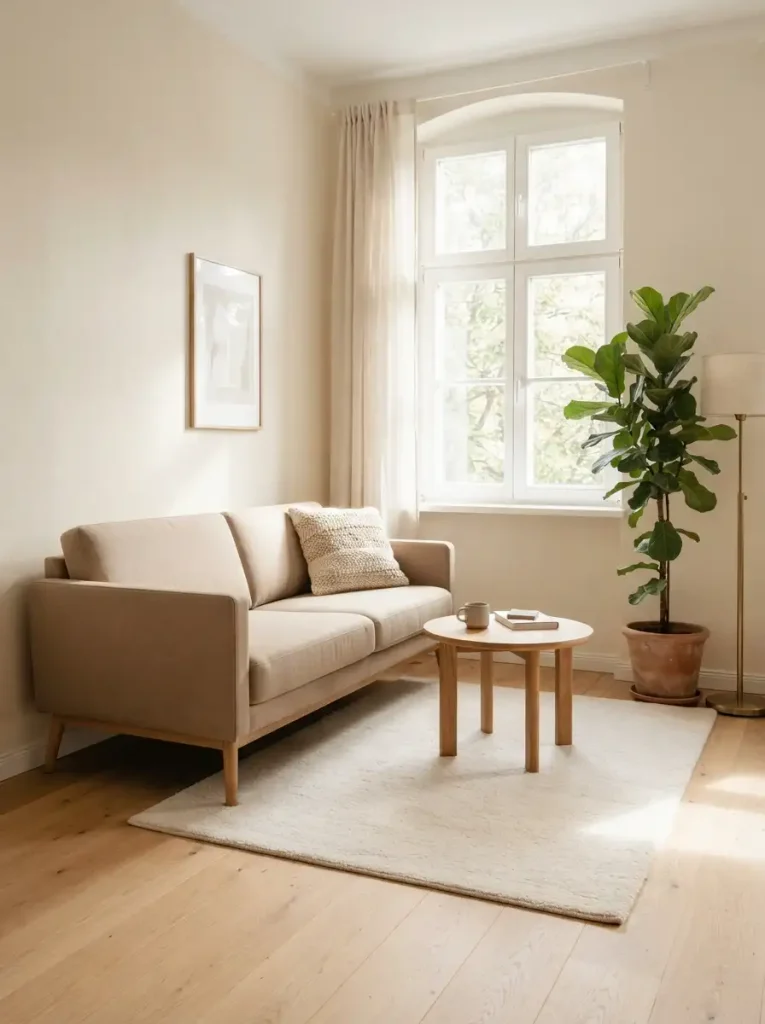
A bulky sofa can swallow a tiny living room faster than you can say “where did the floor go?” Instead, choose a compact sofa with raised legs that lets you see more of the floor underneath. That visible floor area creates a lighter visual effect and makes the room feel less crowded.
Choose a simple silhouette with slim arms rather than oversized cushions or thick rolled edges. I especially like warm beige, soft gray, or creamy upholstery because these shades blend easily with the surrounding space. Add two or three textured pillows instead of covering the sofa with cushions.
2. Use One Large Mirror to Expand the Space
A well-placed mirror can make a small living room look bigger almost instantly. Hang one large mirror opposite a window or across from a light source so it reflects brightness throughout the room. The reflection also adds visual depth, which helps prevent the walls from feeling boxed in.
Skip the temptation to cover every wall with tiny decorative mirrors. One oversized statement mirror usually creates a stronger effect and looks much more intentional. A simple black, brass, or natural wood frame can also add personality without overwhelming the room.
3. Pick a Light and Warm Color Palette
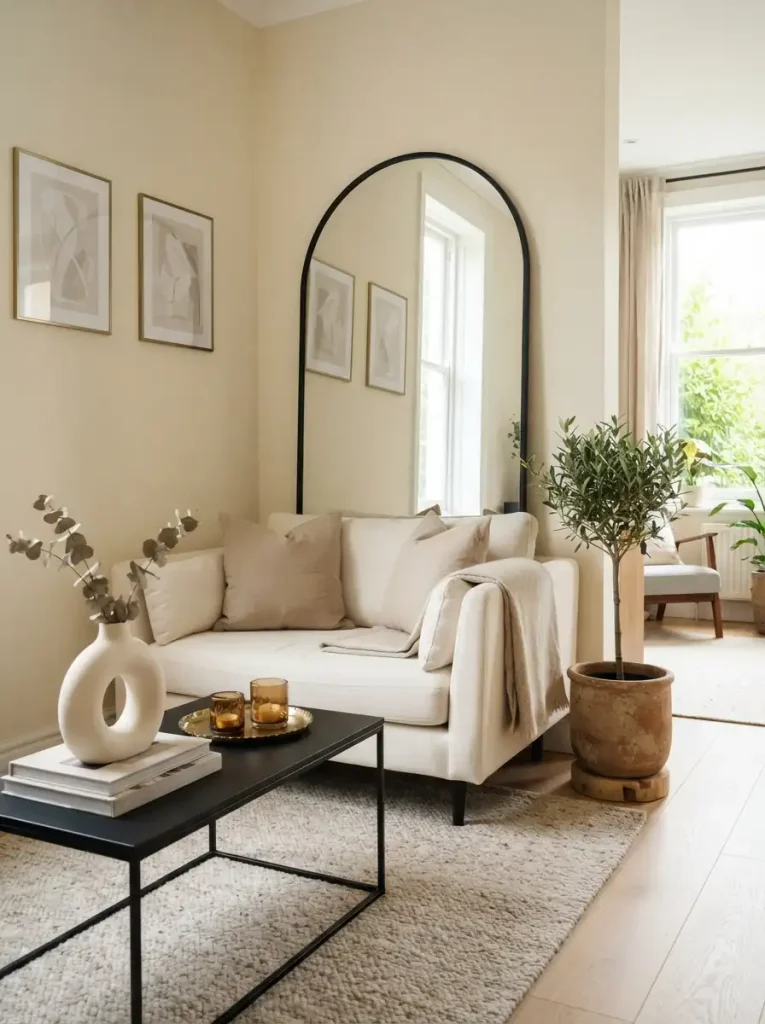
Light colors can make a very small living room feel more open, especially when you use similar tones across the walls, furniture, and larger accessories. Warm white, ivory, soft beige, pale greige, and light taupe create a calm backdrop without making the room feel cold.
You don’t need to make everything white, though. Add warmth through wood accents, woven baskets, soft rugs, and muted earthy colors. FYI, a little contrast actually helps the room feel layered instead of looking like you decorated it with one giant bucket of white paint.
4. Try a Glass or Acrylic Coffee Table
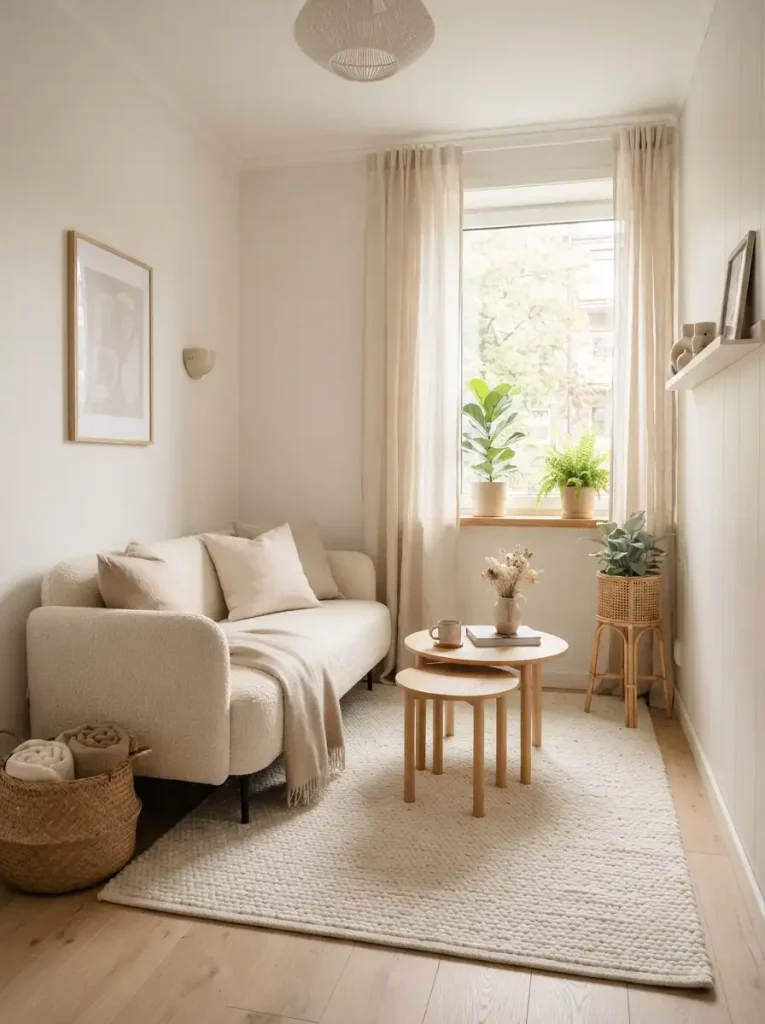
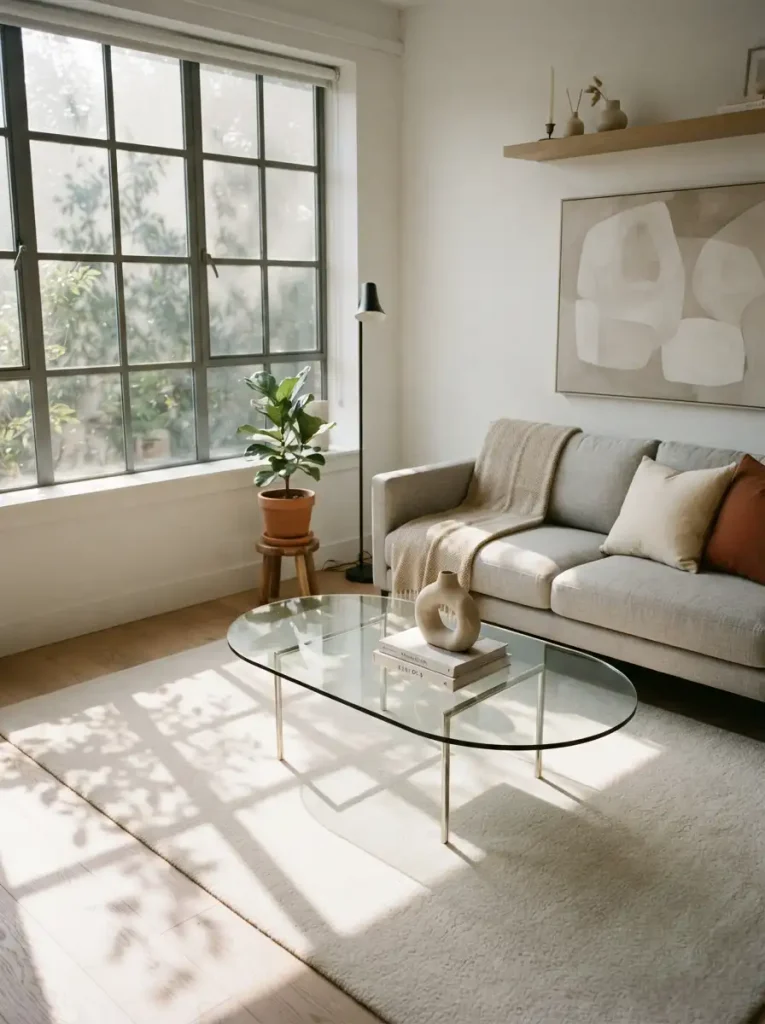
A solid coffee table can visually interrupt the center of a tiny room, while a glass or acrylic coffee table keeps the sightline open. You still get a practical surface for books, coffee, and decorative objects without making the floor feel crowded.
Choose a simple round or oval design if you have limited walking space. Rounded edges also make movement around the table easier, especially when your living room doubles as a pathway. IMO, this small furniture swap can create a surprisingly noticeable difference.
5. Take Advantage of Vertical Space
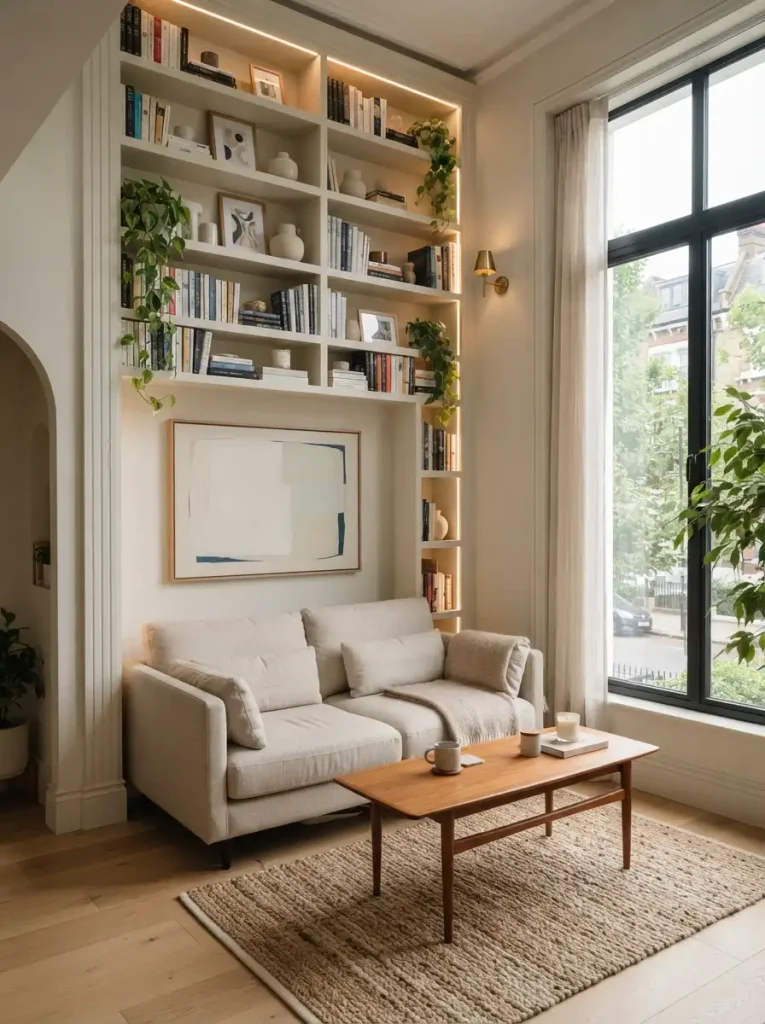
When floor space feels precious, start looking upward. Use vertical shelving, tall bookcases, or wall-mounted storage to take advantage of the walls without filling the floor with cabinets. Tall storage also draws the eye upward, which can make the ceiling appear higher.
Keep the shelves visually organized instead of filling every inch with decor. Mix books, small plants, framed artwork, and a few decorative objects while leaving some empty space. Those little gaps matter because they prevent your storage wall from looking like a crowded retail shelf.
6. Hang Curtains Higher Than the Windows
Want an easy trick that costs surprisingly little? Hang your curtains closer to the ceiling rather than directly above the window frame. This simple adjustment draws the eye upward and creates the illusion of taller walls and larger windows.
Choose long curtains that reach the floor for an elegant vertical effect. Lightweight linen or cotton curtains can soften the room while still allowing plenty of natural light to enter. Avoid extremely heavy fabrics if your living room already feels dark or enclosed.
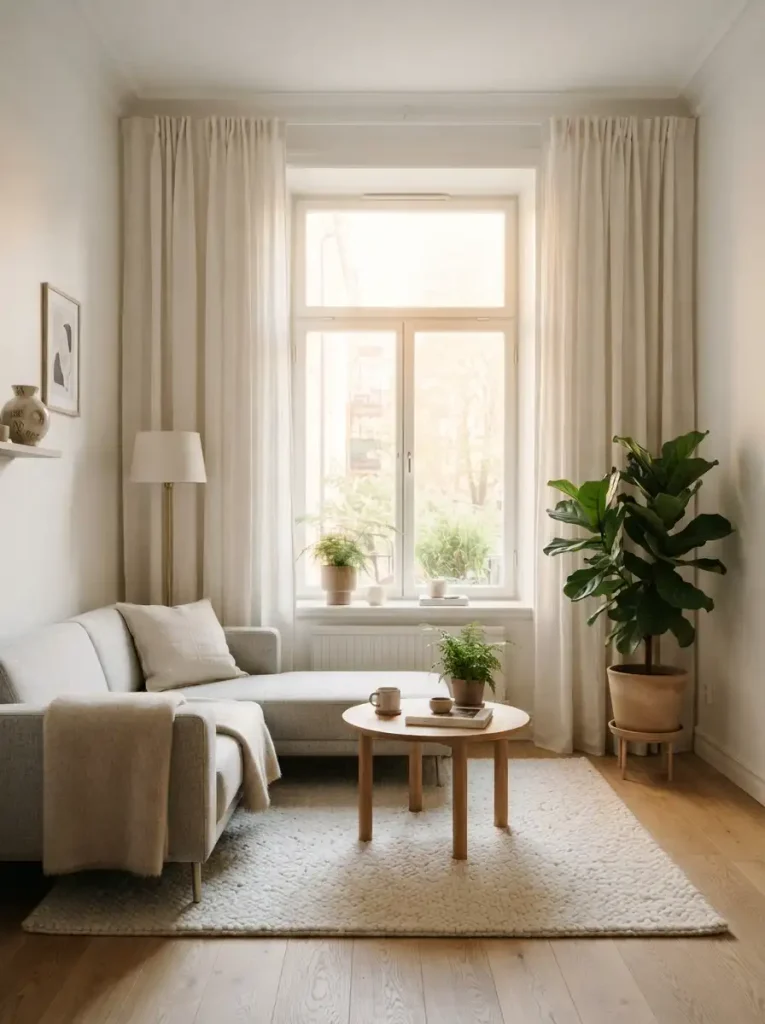
7. Use a Small Sectional in an Awkward Corner
Many people automatically avoid sectionals in tiny rooms, but the right design can actually work beautifully. A compact L-shaped sectional can use an awkward corner efficiently while providing more seating than several individual chairs.
Choose a streamlined sectional with a low profile and narrow arms. Position it tightly against the walls instead of floating it awkwardly in the center. Add one lightweight accent chair only if you still have enough space for comfortable movement around the furniture.
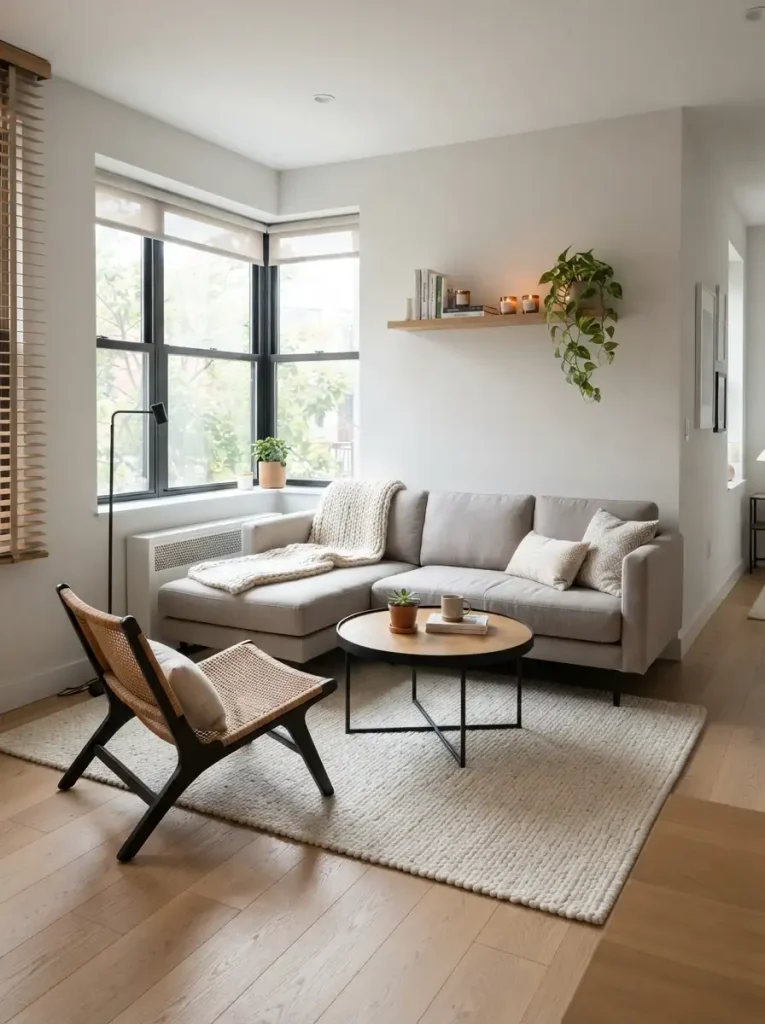
8. Create a Floating Media Console
A floor-standing entertainment unit can take up valuable floor space, especially in an already tiny living room. Instead, install a floating media console beneath the television to keep the floor visible and create a cleaner appearance.
The open floor underneath gives the room more breathing space while providing useful storage for electronics and accessories. Choose a console with simple doors so cables and clutter stay hidden. Pair it with wall-mounted lighting or artwork to create a balanced focal wall.
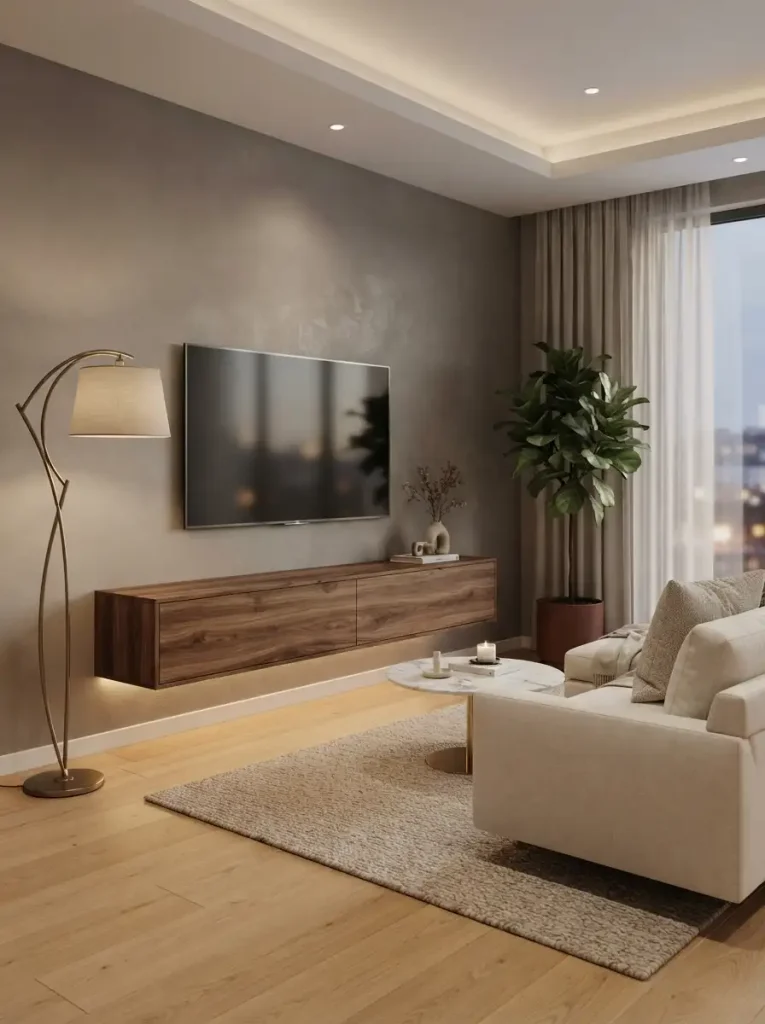
9. Add a Large Rug Instead of Several Small Ones
It sounds strange, but a large area rug can make a small living room feel bigger than several tiny rugs. A larger rug visually connects the sofa, coffee table, and accent chair into one cohesive zone instead of chopping the room into separate sections.
Choose a subtle pattern or soft neutral color if your furniture already has plenty of personality. Make sure at least the front legs of your main seating pieces sit on the rug. This trick creates a unified layout and makes the furniture arrangement feel more deliberate.
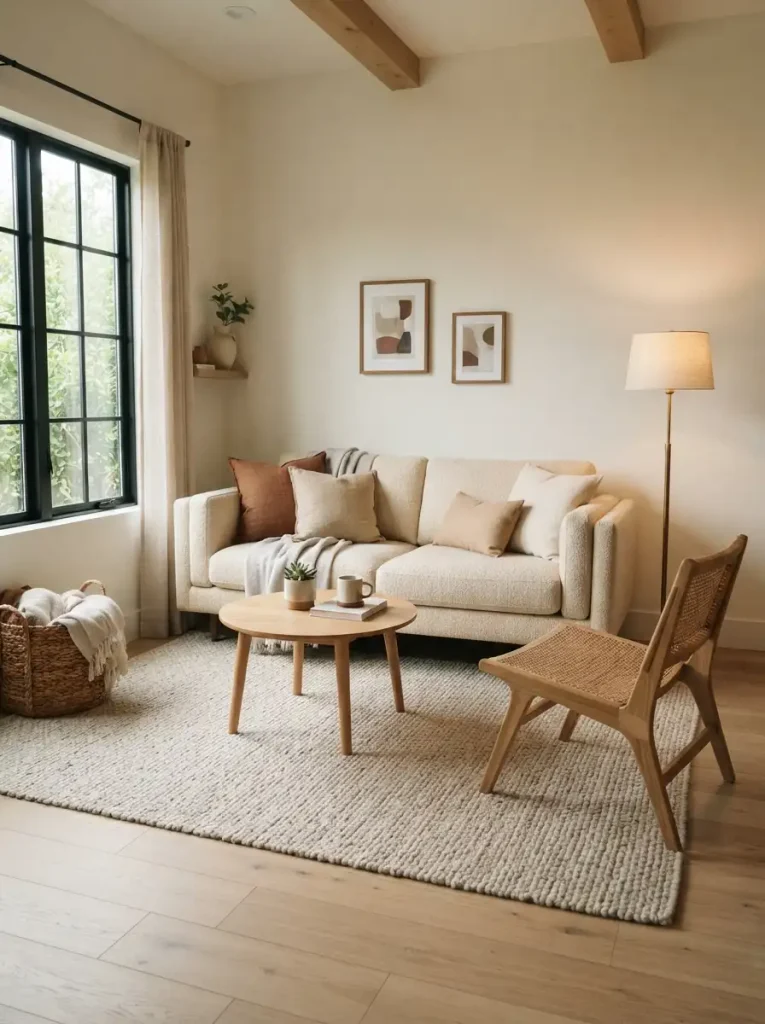
10. Keep the Layout Open and Uncluttered
Sometimes the best small living room idea involves simply removing what you don’t need. Keep pathways clear and avoid placing furniture where it blocks windows, doors, or natural walking routes. An open layout creates more visual breathing room, even when the actual dimensions remain exactly the same.
Choose fewer, better pieces rather than trying to squeeze every furniture item you love into one room. A small sofa, compact table, one accent chair, and smart storage can easily outperform a room packed with furniture. And yes, your collection of seventeen decorative baskets probably doesn’t need all seventeen.
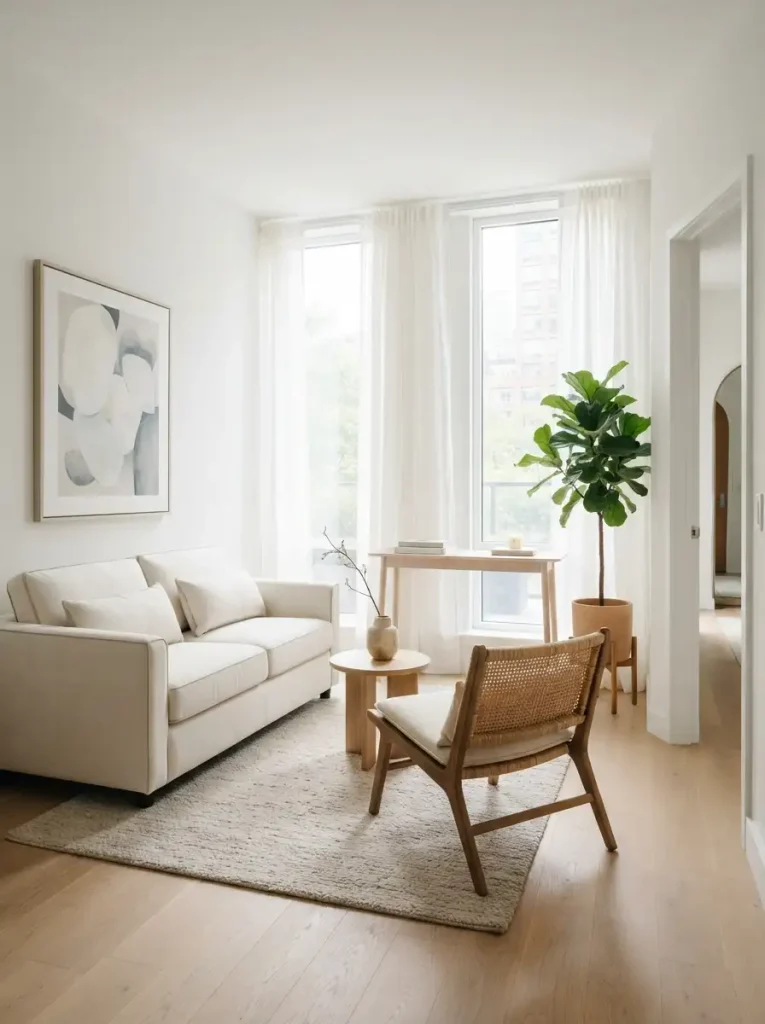
How to Make a Very Small Living Room Feel Bigger
Furniture size matters more than most people realize. A huge sectional might look comfortable in the showroom, but it can overwhelm a tiny living room once you bring it home.
Before buying anything, measure both the room and the furniture. Pay attention to:
- Sofa depth and width
- Coffee table clearance
- Walking paths
- Door and window placement
- Storage requirements
- Visual weight of each piece
Leave enough room for people to move naturally around the furniture. A beautiful room loses its charm quickly when everyone has to perform an obstacle course just to reach the sofa.
Best Colors for Tiny Living Rooms
Color can completely change how your small living room feels. Light neutrals work particularly well because they reflect natural and artificial light while creating a visually continuous background.
Try combinations such as:
- Warm white + beige + natural wood
- Cream + soft sage + light oak
- Greige + ivory + black accents
- Pale taupe + caramel + brass
- Soft gray + white + muted blue
You can still use darker colors, but use them strategically. A charcoal accent chair, dark artwork, or black lighting fixture can add depth without making the entire room feel heavy.
Small Living Room Lighting Tricks
Good lighting can make a tiny room feel dramatically more spacious. Instead of relying on one ceiling fixture, layer ambient, task, and accent lighting throughout the space.
Use a slim floor lamp beside the sofa, a small table lamp on a console, and wall sconces where possible. Mirrors can also bounce light around the room and create additional brightness.
Natural light deserves just as much attention. Keep window areas relatively clear and choose lightweight curtains that allow daylight to enter. A bright room naturally feels more open, while a dark room can make even generous dimensions feel smaller.
Smart Storage Ideas for Tiny Spaces
Clutter can make a small living room feel much smaller than it actually is. Look for furniture that performs two jobs, such as storage ottomans, nesting tables, lift-top coffee tables, and benches with hidden compartments.
Use baskets to group smaller items such as blankets, magazines, remotes, and toys. Wall shelves can handle books and decorative pieces without consuming precious floor space.
Try to keep everyday surfaces relatively clear. You don’t need to create a perfectly minimalist room, but giving your eyes a few empty areas helps the entire space feel calmer and more spacious.
Common Small Living Room Mistakes to Avoid
Even beautiful furniture can make a tiny room feel cramped when you use too much of it. One of the biggest mistakes involves choosing furniture based on appearance alone rather than considering the actual proportions of the room.
Avoid these common problems:
- Oversized sofas with deep seats
- Too many individual furniture pieces
- Heavy dark curtains
- Multiple tiny rugs
- Cluttered open shelving
- Furniture blocking windows
- Decor placed on every available surface
You don’t have to remove all personality from the room. Instead, give your favorite pieces enough breathing room to actually stand out.
How to Make a Small Living Room Look Expensive
A tiny living room can still look polished and luxurious. Focus on quality-looking textures, consistent colors, thoughtful lighting, and fewer decorative pieces rather than buying lots of accessories.
Try combining linen curtains, a textured rug, natural wood, brushed brass, ceramic accents, and soft upholstery. These materials add depth without requiring a huge amount of space.
I also love using one oversized piece of artwork instead of several tiny frames. A large artwork creates a strong focal point and can make the room feel more curated. Sometimes less really does look more expensive.
Final Thoughts on Very Small Living Room Ideas
A very small living room doesn’t need to feel like a storage closet with a sofa squeezed into the middle. Smart furniture proportions, light colors, mirrors, vertical storage, layered lighting, and an uncluttered layout can completely change the way the space feels.
Start with the biggest problem in your room instead of changing everything at once. If furniture feels bulky, replace one piece; if the room feels dark, improve the lighting; if clutter dominates, add smarter storage.
The goal isn’t to make your living room look empty. The goal is to make every inch work harder while keeping the room comfortable and inviting. And once you get that balance right, you might actually forget how small the room is—which, honestly, feels like the best decorating trick of all. 🙂